



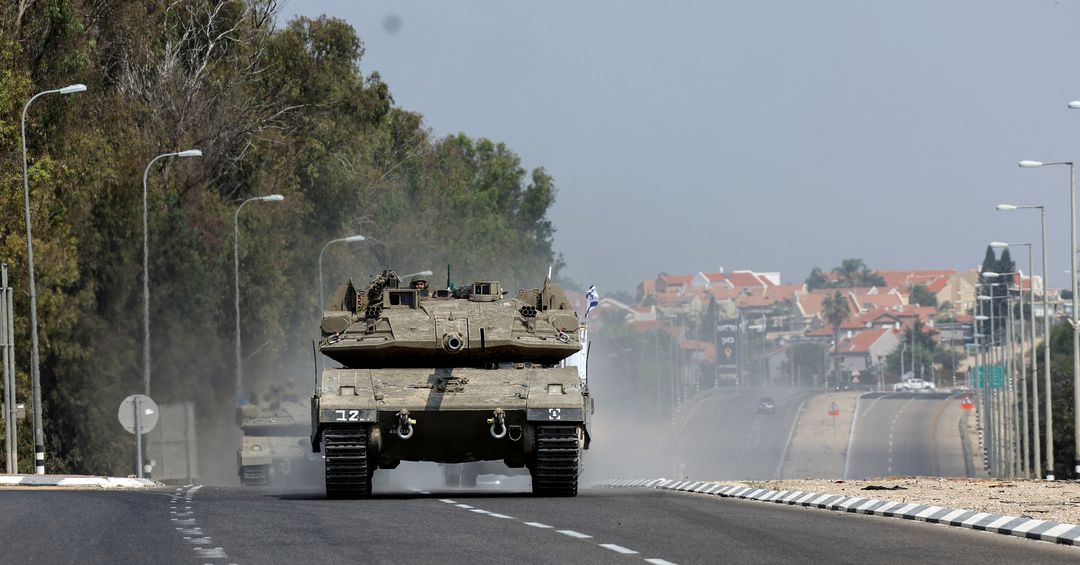
Iran is reportedly coordinating a comprehensive, multi-front attack against Israel with its regional proxy network, according to Israeli intelligence assessments cited by the Jerusalem Post. The plan involves synchronising Iran’s so-called “Axis of Resistance”—including Hezbollah in Lebanon, the Houthis in Yemen, Hamas, and pro-Iranian militias in Iraq and Syria—in a single, coordinated assault.
The strategy appears designed to address the coordination failures exposed during the October 7, 2023, Hamas attack. Although Hamas launched its assault without advance operational coordination with Hezbollah or Iran, documents seized in Gaza reportedly showed that Hamas leader Yahya Sinwar had envisioned a wider regional conflict involving Hezbollah and Iran.
Sinwar apparently believed that the initial success of Hamas’ offensive would compel Iran and Hezbollah to join a broader campaign against Israel. However, US and Israeli assessments have indicated that neither Iran nor Hezbollah had been informed of the attack’s precise details or timing. Consequently, Hezbollah responded with limited strikes from Lebanon rather than launching a large-scale offensive alongside Hamas.
Israeli intelligence now assesses that Iran and its allied groups are attempting to eliminate such gaps by preparing a synchronised multi-front strategy. Under this approach, Hezbollah, the Houthis, and Iraqi militias could initiate simultaneous attacks from the outset, creating sustained pressure on Israel from multiple directions.
The Israel Defense Forces have also reported renewed coordination between Hamas and Hezbollah, facilitated by Iran, to increase pressure on Israel from both the northern and southern fronts.
Senior Islamic Revolutionary Guard Corps (IRGC) Quds Force officials have reportedly held meetings and conference calls with commanders from Hezbollah, the Houthis, and Iraqi militias to discuss expanding operations.
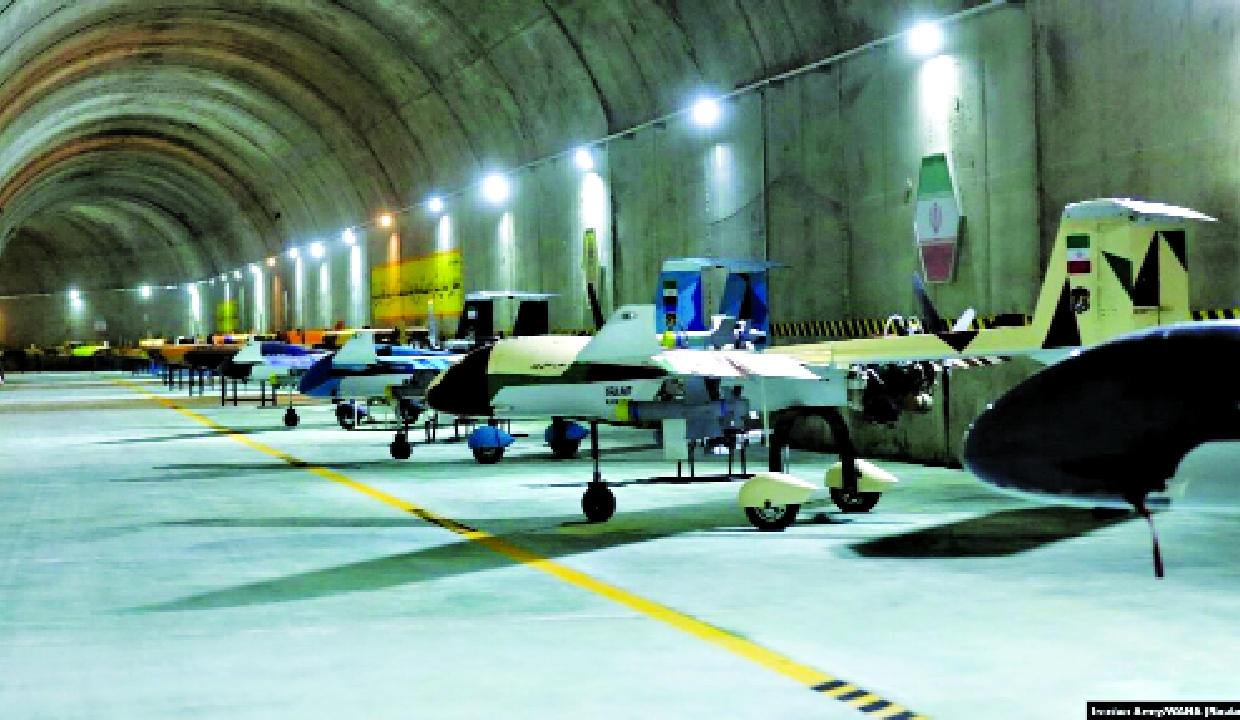
At the same time, Iran is seeking to rebuild military capabilities damaged in previous confrontations with Israel and the United States. Joint training, closer operational ties, and increased coordination among the groups reportedly indicate preparations for a more integrated regional campaign.
 OpinionExpress.In











Comments (0)