
Monday, June 15, 2026

News Destination For The Global Indian Community

News Destination For The Global Indian Community

WORLD
LifeMag
Trump announces peace deal for West Asia

Trump announces peace deal for West Asia

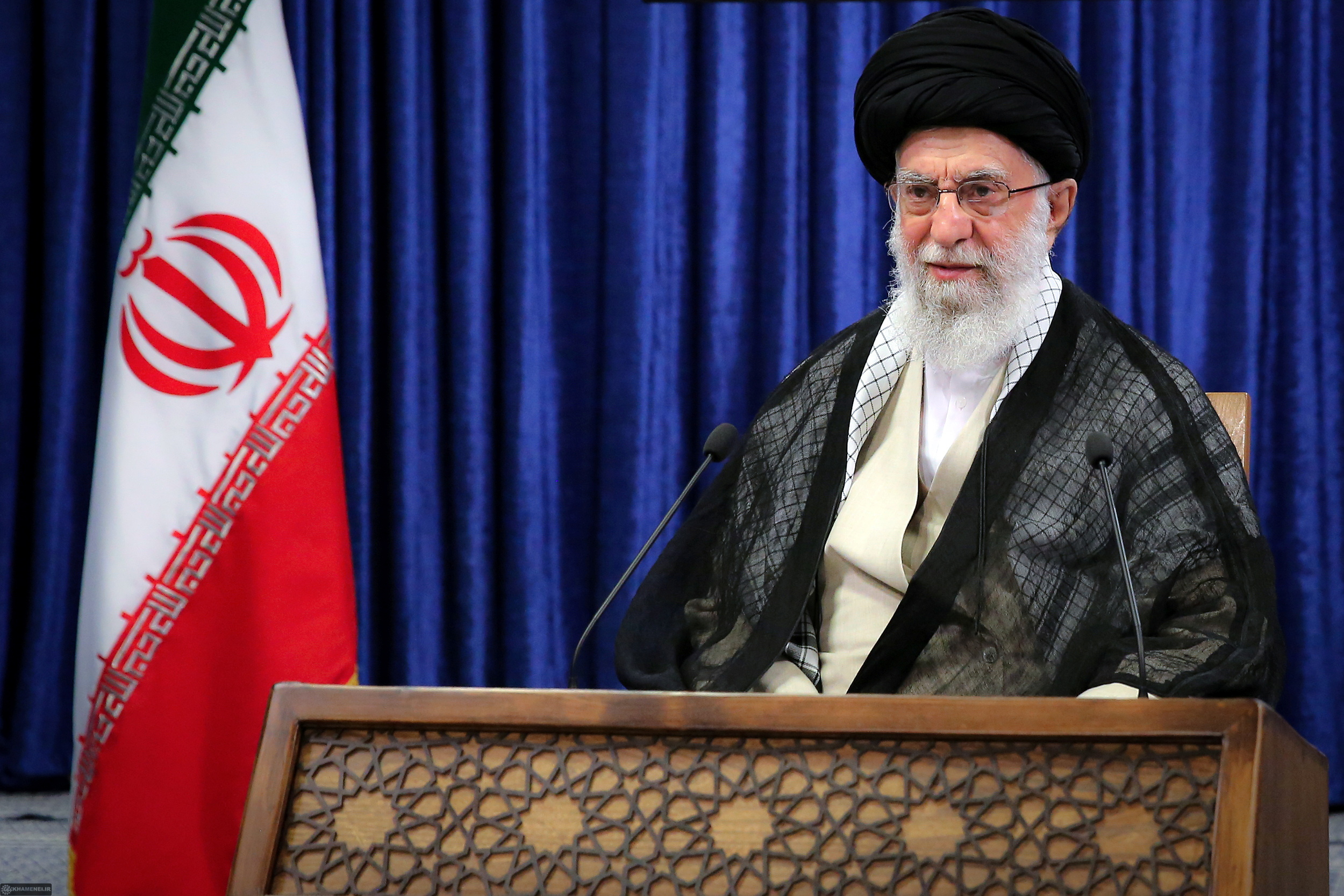
In a dramatic diplomatic breakthrough that could reshape the geopolitical landscape of the Middle East, the United States and Iran have reportedly agreed on a framework aimed at ending hostilities, lifting the American blockade on Iran, and reopening the strategically vital Strait of Hormuz. The preliminary understanding has generated cautious optimism across global markets and diplomatic circles, even as critical questions surrounding Iran's nuclear programme remain unresolved.

The announcement came after U.S. President Donald Trump declared on his Truth Social platform that a deal with the Islamic Republic of Iran had been completed. Shortly thereafter, Pakistani Prime Minister Shehbaz Sharif, whose government played a key mediating role during the negotiations, confirmed that an agreement had been reached. According to officials familiar with the talks, a memorandum of understanding is expected to be formally signed in Switzerland later this week.

The reported framework marks a significant shift from months of escalating tensions that had pushed the region to the brink of a wider conflict. Military confrontations, economic sanctions and disruptions to maritime trade routes had heightened fears of a prolonged war with potentially devastating consequences for global energy supplies and regional security.

One of the most immediate effects of the breakthrough was visible in international oil markets. Crude oil prices fell sharply after news of the agreement emerged, reflecting investor confidence that disruptions to energy shipments through the Strait of Hormuz may soon come to an end. The narrow waterway handles a substantial share of the world's seaborne oil exports, making its stability crucial to the global economy.

Diplomatic observers view the involvement of Pakistan as particularly noteworthy. Islamabad has maintained working relations with both Washington and Tehran and has increasingly sought to position itself as a constructive regional interlocutor. Its successful facilitation of talks could strengthen its diplomatic standing and open new avenues for regional cooperation.

Despite the positive momentum, major challenges remain. The most contentious issue—the future of Iran's nuclear programme—has been deliberately left for subsequent negotiations. Western governments continue to insist on robust safeguards and verification mechanisms, while Tehran maintains that its nuclear activities are intended for peaceful purposes and that its sovereign rights must be respected.

Analysts caution that the framework should be viewed as a first step rather than a final settlement. Previous attempts to stabilize relations between the two countries have faltered due to mutual distrust, domestic political pressures and disagreements over verification and compliance. The durability of the latest understanding will depend on sustained diplomatic engagement and the willingness of both sides to make difficult compromises.

Nevertheless, the agreement represents the most significant opening in US-Iran relations in years. If successfully implemented, it could reduce regional tensions, secure vital shipping lanes, restore economic confidence and create conditions for broader diplomatic engagement across the Middle East. For a region long shaped by conflict and uncertainty, the emerging accord offers a rare glimpse of a more stable future.

Trump announces peace deal for West Asia

Trump announces peace deal for West Asia

In a dramatic diplomatic breakthrough that could reshape the geopolitical landscape of the Middle East, the United States and Iran have reportedly agreed on a framework aimed at ending hostilities, lifting the American blockade on Iran, and reopening the strategically vital Strait of Hormuz. The preliminary understanding has generated cautious optimism across global markets and diplomatic circles, even as critical questions surrounding Iran's nuclear programme remain unresolved.

The announcement came after U.S. President Donald Trump declared on his Truth Social platform that a deal with the Islamic Republic of Iran had been completed. Shortly thereafter, Pakistani Prime Minister Shehbaz Sharif, whose government played a key mediating role during the negotiations, confirmed that an agreement had been reached. According to officials familiar with the talks, a memorandum of understanding is expected to be formally signed in Switzerland later this week.

The reported framework marks a significant shift from months of escalating tensions that had pushed the region to the brink of a wider conflict. Military confrontations, economic sanctions and disruptions to maritime trade routes had heightened fears of a prolonged war with potentially devastating consequences for global energy supplies and regional security.

One of the most immediate effects of the breakthrough was visible in international oil markets. Crude oil prices fell sharply after news of the agreement emerged, reflecting investor confidence that disruptions to energy shipments through the Strait of Hormuz may soon come to an end. The narrow waterway handles a substantial share of the world's seaborne oil exports, making its stability crucial to the global economy.

Diplomatic observers view the involvement of Pakistan as particularly noteworthy. Islamabad has maintained working relations with both Washington and Tehran and has increasingly sought to position itself as a constructive regional interlocutor. Its successful facilitation of talks could strengthen its diplomatic standing and open new avenues for regional cooperation.

Despite the positive momentum, major challenges remain. The most contentious issue—the future of Iran's nuclear programme—has been deliberately left for subsequent negotiations. Western governments continue to insist on robust safeguards and verification mechanisms, while Tehran maintains that its nuclear activities are intended for peaceful purposes and that its sovereign rights must be respected.

Analysts caution that the framework should be viewed as a first step rather than a final settlement. Previous attempts to stabilize relations between the two countries have faltered due to mutual distrust, domestic political pressures and disagreements over verification and compliance. The durability of the latest understanding will depend on sustained diplomatic engagement and the willingness of both sides to make difficult compromises.

Nevertheless, the agreement represents the most significant opening in US-Iran relations in years. If successfully implemented, it could reduce regional tensions, secure vital shipping lanes, restore economic confidence and create conditions for broader diplomatic engagement across the Middle East. For a region long shaped by conflict and uncertainty, the emerging accord offers a rare glimpse of a more stable future.

Leave a comment

Comments (0)

Related Articles

Opinion Express TV

Shapoorji Pallonji

SUNGROW

GOVNEXT INDIA FOUNDATION

CAMBIUM NETWORKS TECHNOLOGY

Opinion Express Magazine