
News Destination For The Global Indian Community


News Destination For The Global Indian Community
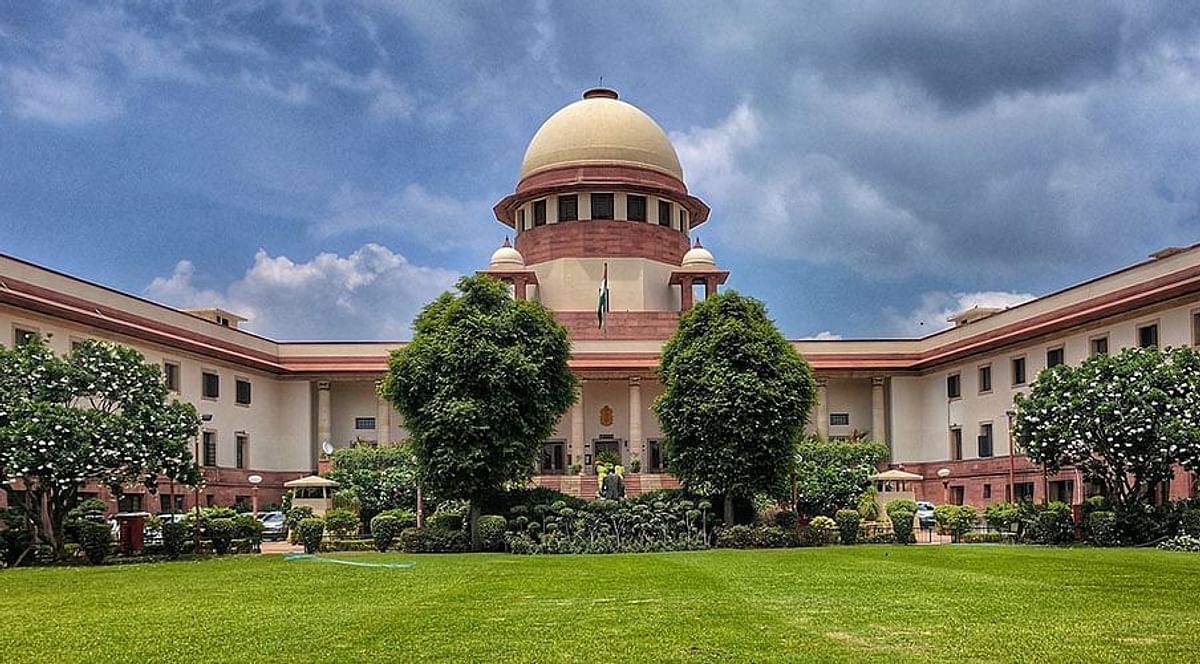
The cost of judicial optics
by Prashant Tewari / 17 June 2026The annual pilgrimage of India's legal elite to the United Kingdom has, over the years, acquired the status of an unwritten convention. Every summer, an influential gathering of judges, senior advocates, affluent lawyers, law firms, academics, policymakers, of lately power brokers descends upon London and other British cities under the respectable banner of lectures, seminars, conferences and professional exchanges. On paper, these events are intended to promote legal scholarship, judicial cooperation, institutional transparency and discussions on strengthening democracy. In reality, however, they increasingly raise uncomfortable questions about propriety, perception and public confidence in the justice delivery system.
There is nothing inherently objectionable about judges or lawyers participating in international conferences. Exposure to global legal developments is undoubtedly beneficial. The problem arises when the same faces appear year after year at exclusive gatherings financed directly or indirectly by corporate interests, wealthy law firms and business groups, many of whom happen to have significant matters pending before Indian courts. While no impropriety may occur, the optics are deeply troubling.
Justice is not merely required to be fair; it must also be seen to be fair. Public confidence in institutions is built as much on perception as on procedure. In an era dominated by social media, every photograph, every dinner invitation and every informal interaction is magnified beyond its original context. What may once have remained confined to private circles now becomes instantly visible to millions of citizens.
The real damage often begins after the seminars conclude. Social media platforms become flooded with carefully curated photographs of influential lawyers posing alongside judges, legal luminaries and policymakers. These images are seldom innocent souvenirs. They frequently serve a larger purpose. They project influence, access and proximity. The message being conveyed is subtle yet unmistakable: we have the connections, we have the reach, and we occupy the inner circle.
For clients, especially those entangled in high-stakes litigation, such displays can create the impression that certain lawyers enjoy privileged access to decision-makers. Whether true or false becomes almost irrelevant. The perception itself undermines public faith in the impartiality of institutions. Ordinary litigants, already burdened by delays and rising legal costs, are left wondering whether justice remains equally accessible to all.
The legal profession has always been hierarchical, but social media has transformed hierarchy into spectacle. The modern obsession with public visibility has encouraged some lawyers and law firms to convert professional engagements into branding exercises. The conference hall is merely the venue; the real audience is online. Every photograph becomes a statement of status. Every interaction becomes a signal of influence. Every gathering becomes an opportunity to cultivate an aura of power.
This year, the controversy acquired an additional dimension with the participation of the India's Union Law Minister. His presence has generated a separate debate altogether. The minister's visit appears particularly curious because it coincides with repeated calls from Prime Minister Narendra Modi urging government officials to minimise unnecessary foreign travel and focus on governance outcomes. The Prime Minister's message has consistently emphasised efficiency, accountability and the prudent use of public resources.
Against this backdrop, the Law Minister's journey to the United Kingdom raises obvious questions. What was the precise agenda? What policy outcomes were expected? What tangible benefits accrued to India's legal system? The answers remain unclear.
The issue is not whether a minister should travel abroad. International engagement is often necessary. The issue is whether such visits satisfy the standards of transparency and accountability expected from public office. Given that the government remains the single largest litigant in Indian courts, the optics become even more sensitive. Any appearance of excessive proximity between the executive branch and influential actors within the legal ecosystem inevitably attracts scrutiny.
The larger concern is institutional credibility. India's judiciary commands enormous constitutional authority and public respect. It remains one of the few institutions capable of acting as the final guardian of citizens' rights. Yet credibility, once weakened, is difficult to restore. Public trust erodes not only through actual misconduct but also through repeated episodes that create doubts about independence and neutrality.
It would therefore be prudent for the government to seek a comprehensive report on the entire sequence of events surrounding these annual legal gatherings by intelligence agencies in India and its counterpart in United Kingdom for comprehensive investigation. Such an exercise should not be viewed as punitive but as corrective. The objective must be to establish clear guidelines regarding sponsorships, disclosures, participation norms and post-event transparency.
Importantly, any review should be conducted independently and not rely solely on inputs from those who themselves participated in the events. Institutional accountability cannot function effectively when individuals are asked to investigate their own conduct. The process must inspire confidence among citizens rather than merely satisfy bureaucratic formalities. And importantly, the outcome of the investigation must be made public to ensure corrective measures can be taken to put an end to similar fiasco in future.
The United Kingdom or any other overseas destination conferences, seminars, pilgrimage may continue in future years, and perhaps they should. Intellectual exchange and legal dialogue are valuable. However, the legal fraternity must recognise that the environment has changed. In the age of smartphones, viral photographs and relentless public scrutiny, appearances matter more than ever. What may seem like harmless networking to insiders can appear like an exclusive club operating beyond public accountability.
The controversy surrounding this year's events is therefore not about travel, seminars or academic discourse. It is about trust. It is about the widening gap between institutional conduct and public perception. Most importantly, it is about safeguarding the credibility of institutions whose legitimacy depends entirely upon the confidence of the people they serve.
The law derives its authority not from power but from trust. Any practice that diminishes that trust, however unintentionally, deserves careful examination. That is the real lesson emerging from this year's judicial soap opera in the United Kingdom.
Writer is a public policy expert and columnist; Views presented are personal.
ANI v. OpenAI: India’s AI-Copyright Litmus Test in the Global Copyright Challenge
by Harish Gaur I Loveleen Jain / 22 November 2025
How the Delhi High Court resolves ANI v. OpenAI will determine whether India treats AI model training as lawful learning or copyright infringement - a choice that could reshape global debates on authors’ rights, innovation, and the future of generative AI.
The Delhi High Court’s ongoing ANI v. OpenAI case, filed by Asian News International (‘ANI’) against OpenAI’s ChatGPT, is what we can call “a litigation for the coming ages.” ANI alleges that ChatGPT was trained on its copyrighted news content without permission, infringing its exclusive rights. The Court has framed four key issues: (1) whether storing ANI’s protected data to train ChatGPT amounts to copyright infringement; (2) whether using that data to generate responses for ChatGPT’s users amounts to copyright infringement; (3) whether such use falls under the Copyright Act, 1957 (‘the 1957 Act’) qualifies as “fair dealing” under Section 52 of the 1957 Act; and (4) whether Indian courts have jurisdiction considering that OpenAI’s servers are located in the U.S. This case is the first in India to squarely test AI training against copyright, and its outcome could set a global example. As
Gour noted earlier, with “four intervenors, two amici curiae and a litigation for the coming ages,” the stakes are enormous.
India’s Court will decide whether an AI’s ingestion of such material is legally analogous to human learning or requires express licence. Global parallels abound. In the U.S., a related class action (Bartz v. Anthropic) recently settled for $1.5?billion, the largest copyright settlement ever. In that case, Judge Alsup treated ChatGPT-like training on lawfully acquired books as “quintessentially transformative” fair use, but he made it clear that this does not justify creating or using a library of pirated books for training. In other words, he drew a line: training on purchased text could be fair use, but wholesale downloading of pirated content was not.
Crucially, the Anthropic settlement left unresolved whether any AI training on copyrighted material is lawful - the question in ANI’s suit.
In Europe, meanwhile, the latest EU 2019 Copyright Directive (‘EU’s 2019 Directive’) explicitly permits text-and-data mining for research. India’s 1957 Act predates such rules and has no express carve-out for AI.
Legal Landscape: Copyright, Fair Dealing, and AI
India’s 1957 Act vests authors with exclusive reproduction and adaptation rights (under Section 14), subject to exceptions (including Section 52). Section 52 implements a “hybrid” system of exceptions, including “fair dealing” for private or personal use (for research, criticism/review, or reporting current news). None of these exemptions explicitly mentions machine learning or data mining, unlike the EU’s 2019 Directive, which provides specific text-and-data mining exceptions. Thus, whether ChatGPT’s training process can fit any existing exception is contested. The Delhi Court is considering whether simply storing ANI’s news articles for training amounts to infringement under Section 51. Note that “storage” is covered by Section 14(a)(i): reproduction, which Indian courts have interpreted to require “objectively replicating the form of expression.” Additionally, AI models convert text into numerical vectors, rather than human-readable text. If that is true, a strict reading might conclude that no infringing “copy” of the expression is made. But this theory is untested.
The amici curiae and parties have advanced sharply divergent views on fair dealing. Professor Arul Scaria (first Amicus) submitted that the Delhi High Court has jurisdiction as OpenAI’s services are accessible in India, including ANI’s headquarters in Delhi. He argued that storing copyrighted material for training AI models was permitted under copyright law. What the High Court had to determine was whether OpenAI used ANI’s content for anything beyond training. He noted that restricting such use could hinder knowledge dissemination. On the use of ANI’s content in AI outputs, Scaria pointed out that ANI must first establish its copyright over the content. If ANI’s material is used to paraphrase facts rather than directly reproduce content, it may not amount to infringement.
Advocate Adarsh Ramanujan (second Amicus), on the other hand, submitted that the location of OpenAI’s servers was irrelevant. He explained that the High Court had jurisdiction, since ANI’s principal place of business was in New Delhi. He argued that copying ANI’s data, even once, without permission, constituted a copyright infringement. OpenAI’s use of ANI’s content does not qualify as fair dealing under Indian law since OpenAI is neither a news agency nor using the content for criticism or review. He submitted that reproducing ANI’s content in ChatGPT’s responses constitutes copyright infringement, especially if it results in economic harm to ANI by reducing subscriptions from media outlets.
These questions are not unique to India. Under U.S. law (Section 107), fair use is a broad, flexible defense evaluated by four factors. U.S. courts have focused on transformative use - whether an AI’s training “turns the text into something qualitatively new.” Judge Alsup’s Bartz opinion exemplifies this approach: he deemed an LLM’s consumption of lawfully obtained books “among the most transformative [things]…we will see in our lifetimes,” likening it to how humans learn by reading, and held such training a fair use. (By contrast, he refused to excuse the use of pirated books.) In practice, U.S. litigation has split: in NYT v. OpenAI, discovery battles are ongoing about harm to news models; in Raw Story v. OpenAI, a court dismissed a DMCA claim for lack of standing, emphasising that plaintiffs must show actual copying or harm. Meanwhile, Article 3 of the EU’s 2019 Directive explicitly mandates a copyright exception for text and data mining with no opt-out options for scientific research purposes. Whereas Article 4 permits authors to opt out in case of commercial activities. This proactive legislative answer is lacking in India. The UK has similarly introduced non-commercial computational analysis exceptions.
India’s courts must navigate familiar debates (is training “fair”? is sampling non-expressive?) but on the basis of much cruder statutory tools.
Nota Bene
Section 14(a)(i) grants authors exclusive rights to reproduce or store copies of their works. If OpenAI’s training involves ingesting and storing ANI’s articles, then the Court must decide whether this “storage” (even in digital form) is a reproduction of ANI’s expression. Even if storage were deemed copying, does ChatGPT’s generation of answers “use” ANI’s work in an infringing way? OpenAI notes that ChatGPT does not regurgitate entire articles verbatim; it synthesises facts. The Court will have to decide if an AI’s indirect use of protected expressions, without literal copying, violates the reproduction or adaptation rights. If reproduction is found, can it be excused by Section 52? Is feeding ANI’s content to an AI more like researching, or like a newscaster plagiarising? This final issue may hinge on drawing analogies. If treated like “research,” training might fall under Section 52(1)(a)(i); if not, the use arguably needs permission.
These issues are being debated at hearings with intervention from publishers’ associations. For example, the Digital News Publishers Association warned the Court that unchecked use of copyrighted content by AI erodes journalists’ incentive to create, warning that if ChatGPT freely swallows news, a large chunk of news organisations may die out. The Federation of Indian Publishers has made similar submissions. Industry defenders emphasise that generative AI merely compiles public facts without copying protected expressions. The Delhi Court (Justice Amit Bansal) will have to sort through these issues and set a course for how the Copyright Act applies in the AI era.
Normative Gaps and Judicial Discretion
Beneath the technicalities lies a fundamental policy dilemma: how to balance authors’ incentives against innovation and public benefit. Indian copyright exists to “promote the progress of science and useful arts” (akin to the U.S. constitutional mandate) by rewarding creativity, while not unduly hindering expression and learning. Training AI on text straddles this divide. On one hand, publishers insist that their labour deserves protection and compensation. On the other hand, proponents of AI argue that large-scale text analysis is a new form of learning, akin to a researcher digesting books, which serves societal progress.
The choice is stark. If the Court effectively rules that LLM training falls outside fair dealing - i.e., it requires a license - it would vindicate authors’ rights but risk curtailing a rapidly growing technology. AI developers might then need to negotiate expensive licenses for vast swathes of data (assuming rights-owners even choose to license). This could slow innovation or drive development underground, with generative AI firms wary of entering the Indian market. An outright “no fair use” stance could determine whether India offers a tech-friendly copyright framework. Indeed, if courts baulk at AI training, the government might be forced to legislate a new exception or regulation to fill the gap.
Conversely, if the Court interprets fair dealing broadly to cover machine “learning”, it would boost innovation but anger content creators who see their works scavenged. A cavalier ruling in favour of AI could be seen as the state conferring a monopoly (in effect) on data, which arguably undermines copyright’s purpose. Balanced against this is the fact that AI training does not publish the original texts. One view is that ChatGPT outputs are composite and factual, and do not substitute for the original news. If the law treats non-verbatim summarising as non infringing (as U.S. courts have suggested by emphasising transformation), Indian courts could analogise that language.
Notably, India’s law provides no simple doctrine of “transformativeness” or “derivative works” as in U.S. law. The U.S. idea of a “derivative work” and the transformativeness test are tied to provisions of the U.S. statute (17 U.S.C. §106). The Indian Act contains no explicit “derivative work” right or fair use blanket. Borrowing U.S. doctrine in toto is perilous. Indian courts have long hesitated to import foreign tests that lack a statutory foothold. This suggests the judiciary must either craft a novel Indian principle or stick strictly to Section 52’s letter (with all its gaps).
The lack of any clear statutory exception for AI is a serious gap. Unlike the EU, India has no “opt-out” system or mandatory notice filter for publishers; in fact, ANI itself has unilaterally blocklisted its website to prevent ChatGPT training. The Parliament has not updated the Act for the digital-age AI, and it may not do so quickly. In the interim, courts must navigate policy.
Authors argue that the law is a living system and must be viewed through a constitutional lens prioritising creativity, dignity, and the public interest. A judgment that reflects these values might, for example, read Section 52(1)(a)(i) (research) generously to include certain forms of model training, provided that outputs do not infringe. Alternatively, it could confine the exception to non-commercial research uses, pushing commercial AI companies towards licensing and thereby preserving market incentives.
Ultimately, the Delhi Court must reconcile competing normative claims. The amici have already signalled the tension: Scaria urged the law to adapt to foster innovation, whereas Ramanujan emphasised what the law currently is. The judiciary’s role is to bridge this. It should examine whether allowing AI “learning” without compensation truly serves the constitutional purpose of innovation and free expression, or whether it unfairly departs from the legislative bargain. Authors argue that Copyright law should remain neither petrified nor atavistic but should flexibly accommodate AI-driven creativity.
Beyond legal analysis, practical considerations also matter. The outcome could influence press freedom and public information. ANI has warned of misinformation and reputational harm from AI hallucinations, raising broader social stakes. Conversely, an overly restrictive rule could stifle local AI initiatives and cede ground to foreign companies. The Court’s decision must therefore be informed by a range of inputs: economic and technological policy, comparative law, and the broad ethos of copyright. It may even prod Parliament to act. The judiciary should not shy away from highlighting that need if it cannot itself fashion a fair solution.
Toward Doctrinal Clarity and Courage
The ANI v. OpenAI case offers a critical opportunity for India to lead on AI and copyright. The Court’s determination will offer scarce guidance to courts worldwide wrestling with the same issues. As the dust settles, what is needed is clear, principled guidance - not muddled mimicry of foreign tests. If the Delhi High Court ultimately endorses a broad view of fair dealing for AI (for instance, treating training as akin to research), it should carefully circumscribe that exception and explain how output regulation will protect authors. If it rejects such a reading, it should stress the legislative void and possibly urge Parliament to craft new rules. In either event, the ruling should articulate the reasoning transparently, advancing a balanced, incremental path that privileges creativity, dignity, and the public interest.
In the global context, India’s verdict could either affirm authors’ primacy or embrace technological change, or attempt a middle way. The Constitution’s promise of promoting science and the arts demands no less than weighing both sides. As Samuelson reminds us, courts “must ask which outcome best serves the constitutional purpose” of innovation while balancing incentives and free expression. The Delhi Court must now summon the institutional courage to answer that question. Only with such courage can it provide the doctrinal clarity Indian creators and innovators alike sorely need in the AI era.
First author: Harsh Gour is a columnist with The Leaflet. His research focuses on the intersections of technology, law, and public policy, with a particular interest in AI governance, digital rights, and data protection.
Second author: Loveleen Jain is a law graduate from Government Law College, Mumbai, and is currently pursuing a Master’s in Intellectual Property Law at Durham University, UK. She is an aspiring solicitor with a strong interest in Intellectual Property and its intersection with Artificial Intelligence.
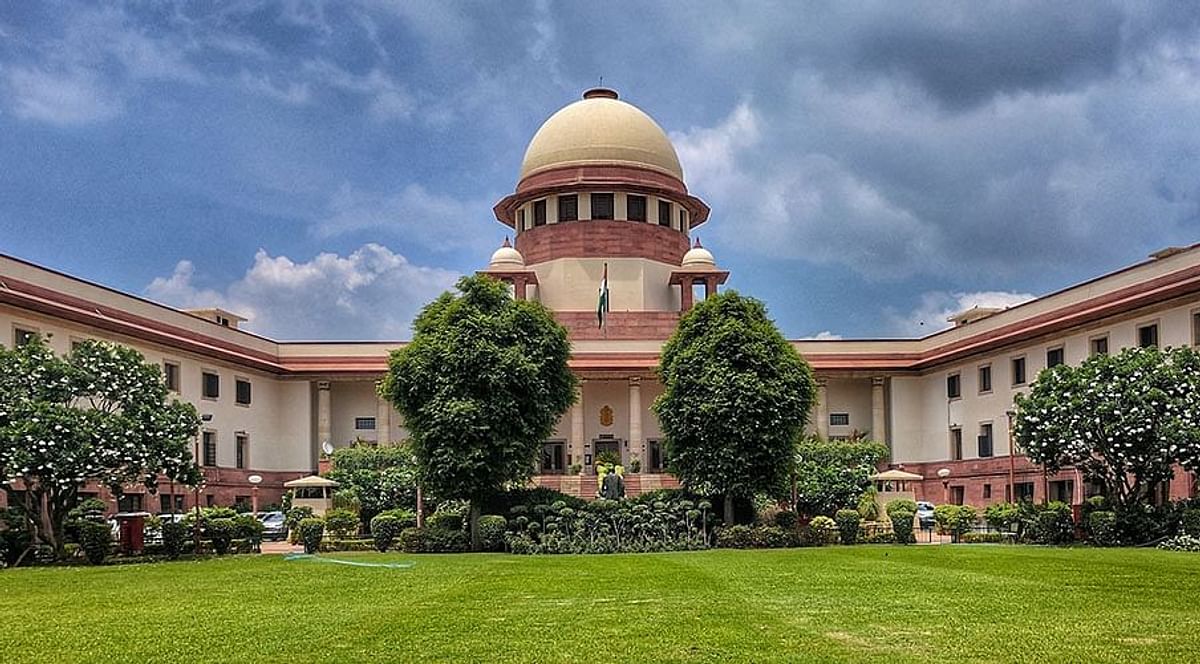
Powers Of Collector Stayed, Non-Muslims On Boards Limited in Waqf Case: SC
by Opinion Express / 15 September 2025The Supreme Court on Monday paused implementation of three controversial provisions of the amended Waqf Act, terming them potentially arbitrary and unconstitutional. A bench led by Chief Justice BR Gavai and Justice AG Masih stayed rules that required donors to prove they had been “practicing Muslims” for five years, mandated inclusion of non-Muslims on waqf boards, and empowered District Collectors to decide whether a property qualifies as waqf. The court observed that allowing Collectors to adjudicate such disputes would violate separation of powers and could lead to misuse.
However, the judges refused to suspend the requirement of registering waqf properties, noting that this obligation had existed earlier but was never enforced. To protect “waqf by user” properties—established by long usage rather than documentary evidence—the court ordered that their status cannot be altered without recourse to a waqf tribunal, whose rulings would remain subject to High Court appeal.
The amendments, passed in April after heated parliamentary debate, sparked nationwide protests and multiple legal challenges. Petitioners, including religious groups and individuals, argued the provisions trampled constitutional rights, particularly Articles 14 and 26, by curtailing Muslims’ ability to manage their own charitable endowments. Critics also warned the “practicing Muslim” clause undermines secularism by compelling proof of religiosity, while permitting non-Muslims on waqf boards erodes their representative character.
The government defended the changes as necessary to curb fraud and ensure oversight. Solicitor General Tushar Mehta argued that waqf boards perform secular functions, making non-Muslim participation reasonable. Yet the court limited such appointments to a minority—three of 11 in state boards and four of 22 in the Central Waqf Council.
By halting key provisions but leaving others intact, the interim order sets the stage for a deeper constitutional test of the Waqf amendments in coming hearings.

Witch Hunting as Gendered Violence: Does India need a National-Law?
by Aarushi Pandita / 29 July 2025On the night of July 6, 2025, five members of a family were burned alive in Bihar’s Purnia district after being accused of practicing witchcraft. The sole survivor, a 16-year-old boy of that family, has told the authorities that a mob of around 50 people broke into their home carrying bamboo sticks. The mob first attacked his mother, calling her a “witch,” and when other members of his family tried to save her, they too were ‘punished’.
The National Human Rights Commission on July 16th has taken suo motu cognizance of the incident and issued notices to the Chief Secretary and the Director General of Bihar Police asking for a detailed report within two weeks. The Commission has also told the State Government to ensure the safety of the 16-year-old boy and provide him with counselling.
What is Witch-Hunting and Witch-Branding?
People in India have long been friends with the concept of superstition. A perfect answer to the most difficult questions of life. However, over time, a scientific temperament developed a rational mindset among many, leading some of us to believe that superstition was something the modern world had left behind. But once you step into the villages and rural areas of India, a different reality unfolds. Not just one village, a vast stretch of villages across most states has irrational belief systems. One such destructive belief is the fear of “witches” and “witchcraft”.
Witchcraft means the possession of evil spirits and using them to harm others. The sad part is it doesn’t end with belief alone. This belief takes the form of violence: abuse, neglect, alienation, relocation, harassment, rape, murder and sometimes even burning alive. These are far from being harmless traditions; they are heinous crimes, the gravest form of human rights violation ever heard of. Witch branding and witch-hunting led to two distinct groups of victims. The primary sufferers are, who endure the unimaginable physical torture and humiliation. Then there are collateral victims, i.e. their close ones or their family members, who are forced to live a life of trauma and social exclusion. Like the 16-year-old boy in Purnia District of Bihar, who witnessed his entire family burn alive. His situation is more than just a “tragedy”.
This is a wake-up call demanding our urgent attention to the deep-rooted crisis of superstition-driven violence that continues to threaten the lives of many vulnerable people across India. While both male and female fall prey to this evil, the number of women victims in particular is disproportionately high, as they are more easily accused or targeted.
superstition is not the Sole Motive
The picture, however, seems to have changed a bit with time. The persecution is no longer only due to superstition; it is about power. Witch-hunting has become a tool for gender-based violence. Deep-rooted patriarchal mindset and caste differences are the major underlying reasons. Women who are targeted are vulnerable. Mostly widows, childless women, and women belonging to marginalized communities bear the brunt of unexplained misfortunes. Women who are divorced, unmarried, separated, who assert themselves and often just simply the ones who are easy to target helplessly, become the reasons behind a failed harvest, unknown illness and sudden deaths, like in the recent case of Bihar.
Incidents across India
This gross human rights violation faced by women is far from an isolated horror. One would think that with advancement of science and technology, this diabolical belief would have become outdated but cases of women being subjected to torture on account of practicing witchcraft, continue to be reported from rural areas of several states, including Jharkhand, Bihar, West Bengal, Madhya Pradesh, Maharashtra, Gujarat, Odisha, Chhattisgarh, Assam, Rajasthan and Uttar Pradesh.
The National Crime Records Bureau's reports between 2015 and 2021 mention 663 killings attributed to witchcraft or witch hunts, averaging 95 fatalities per year. The latest report by NCRB in 2022 enumerates various motives behind murders, out of which 85 were based on this superstition of witchcraft. The number might seem small to look at, but it shows a bigger picture for India, a mirror to reflect at. It is the distance our country still needs to bridge in order to eradicate this horrific violence.
The Need for Central Legislation
Witch-hunting is a clear violation of various rights guaranteed by the Indian Constitution. It infringes upon the right to non-discrimination, right to life, right to safety and most importantly, the right to live a dignified life free from cruel and inhumane treatment. Apart from guaranteeing these fundamental rights, the Constitution also imposes a fundamental duty on every citizen under Article 51A(h) to develop scientific temper, humanism and spirit of inquiry and reform. The law expects rationality and superstition-based violence is not only against criminal laws but also against the constitutional ethos.
Bihar was the first state to enact a special law in 1999 to eliminate torture, humiliation and killing of women branded as witches. This act i.e. Bihar Prevention of Witch (Daain) Practices Act, 1999, made all offences cognizable and non-bailable. Several other states like Jharkhand, Chhattisgarh, Odisha, Maharashtra, Rajasthan, and Assam also followed and enacted similar legislations to combat these practices, with Karnataka being the most recent to enact a legislation in 2020.
Yet, the recent case in Bihar is a stark reminder that there still remains something to be done. Is it a nationwide awareness program, addressing gaps in education, dismantling the patriarchal mindset or a national-level legislation?
At present, India does not have a law at the national level to penalize the menace of witch-hunting or mob violence against families. The only recourse that remains is through Bhartiya Nyaya Sanhita, 2023 i.e. BNS under sections of murder, grievous hurt, or sexual offences. However, the enactment of a central legislation could play a transformative role. Like in the Protection of Children from Sexual Offences Act (POCSO), Juvenile Justice Act, Sexual Harassment of Women in Workplace (Prevention, Prohibition and Redressal) Act (POSH) or the Senior Citizens Act, a special or targeted law would not only criminalize the offence but also impose a positive obligation on the state authorities to spread awareness to combat this deep-rooted social evil. It would provide counselling and rehabilitation for survivors.
It is not like efforts have not been made. A bill to address witch-hunting was introduced twice in the Parliament. In 2016, it was introduced in the Lok Sabha by Raghav Lakhanpal, but it was not passed. Later in 2022, the bill “The Prevention and Prohibition of Witch-Branding and Witch-Hunting and Other Harmful Practices Bill, 2022” was introduced in Rajya Sabha by Surjeet Kumar and yet a central legislation is still awaited.
Conclusion
Witch-branding, while being a tool for social control, strips the vulnerable people of dignity, safety and identity. It is not a relic of the past; it is a living gendered violence that continues to claim the lives of innocent people even in the 21st century. Despite a general criminal law, the lacuna of a specific central legislation with clear provisions of victim support and state obligation continues to leave gaping holes in delivering complete justice. The problem does not end with those killed; the concern also extends to those falsely branded as witches, who may have escaped death but now live in constant anxiety of being targeted again. What more do we as a ‘democratic society' need for our conscience to wake up? How many lives need to be ‘sacrificed’, for us to realize the need to address this gross human rights violation?
Apoorva is a Delhi-based lawyer having expertise in Criminal cases. She strongly advocates for women and vulnerable communities. Through her legal practice and writing, she aims to bring attention to issues of legal justice and equality.

When the Law Betrays Its Own: How India Is Failing Its Young Legal Minds
by Shikhar Shrivastava / 21 May 2025In a nation where the judiciary is hailed as the guardian of democracy and the Constitution its sacred text, one would expect legal education and judicial recruitment to embody the same reverence. Yet, tens of thousands of law aspirants across India find themselves trapped in a web of institutional apathy, policy paralysis and systemic dysfunction. From the CLAT 2025 debacle to indefinitely postponed judicial service exams and a worsening judicial vacancy crisis, the picture is grim. At the heart of this turmoil lies a generation of young legal minds - demoralized, underemployed, and dangerously disillusioned.
The Common Law Admission Test (CLAT), conceived as the national gateway to India’s prestigious National Law Universities (NLUs), is supposed to usher in the country’s future legal leadership. Instead, it has become a glaring example of administrative failure. CLAT 2025, held in December 2024, saw results declared too swiftly, only to reveal errors in answer keys, ambiguous questions, and procedural lapses. Legal petitions followed. In April 2025, the Delhi High Court ordered the Consortium of NLUs to revise the results. The Consortium appealed, and the Supreme Court stayed the High Court’s directive, freezing the revised scores and halting admission counselling to NLUs indefinitely. Thousands of deserving students who spent years preparing are now left in limbo, their academic futures paused and mental health strained. This is no isolated incident. CLAT has faltered repeatedly - pandemic delays and flawed online formats in 2020, confusing reschedules in 2021, answer key errors in 2022 and 2023. For an exam meant to select the nation’s future legal thinkers, such recurring mismanagement is not just unfortunate - it is a disgrace.
Equally alarming is the state of judicial service exams across states like Uttar Pradesh, Madhya Pradesh, Chhattisgarh, Rajasthan and Gujarat. India faces a shortage of over 5,000 lower judiciary judges, yet exams to fill these posts are routinely deferred. While state commissions issue notifications igniting hope, the exams themselves are postponed indefinitely due to pending court cases, procedural clarifications or bureaucratic inertia. Uttar Pradesh’s UPPCSJ exam has not been held for over two years. The Chhattisgarh High Court stayed its judicial exam in April 2025, awaiting the Supreme Court’s verdict on the controversial three-year practice rule. Other states have followed, resulting in a nationwide recruitment freeze. With nearly five crore pending cases burdening the judiciary, this inertia is indefensible. Law graduates spend years preparing, often balancing courtroom internships or junior associate roles, all while navigating a recruitment process with no guarantees and few timelines.
At the core of this delay is the Supreme Court’s reconsideration of whether judicial aspirants must have three years of prior legal practice. While some argue that experience fosters judicial maturity, others view this as elitist gatekeeping that excludes first-generation lawyers and those unable to subsist on meager stipends for years. The judgment remains reserved. Meanwhile, high courts across the country have paused recruitment, turning legal education into a waiting game. Ironically, in attempting to decide who is worthy to judge, the system sidelines those most eager to serve.
But beyond exams and court rulings lies a deeper crisis: employability. India produces over 80,000 law graduates annually, yet only three percent attend NLUs. The rest graduate from a growing number of private law schools, many lacking credible placements, practical training, or professional mentorship. A 2023 Bar Council report found that over half of India’s law graduates remain unemployed or underemployed a year after graduation. In smaller cities and towns, this situation is even bleaker. Judicial services and government roles, once reliable career paths, are now stuck. When even these channels are frozen, a law degree becomes a mere paper promise. Public institutions have begun offering only short-term contractual roles - legal translators, clerks, research assistants and law officers. The Chhattisgarh High Court’s latest recruitment drive is for judgment translators. This trend is not just fiscal frugality - it reflects institutional shortsightedness.
This endless delay is more than an administrative backlog - it has become a mechanism to circumvent direct recruitment by engaging young aspirants in peripheral or contractual roles that neither fulfill their ambitions nor provide meaningful career growth. Such short-term, non-permanent positions help sustain entrenched bureaucracies - those who struggle to adapt to evolving demands - effectively outsourcing responsibilities. The inertia preserves an outdated demand-supply equilibrium, benefiting established insiders while the vibrant potential of young lawyers is sidelined. Where then do these aspirants go? Many drift into stagnant jobs or leave the profession altogether - a massive loss to India’s justice delivery and democratic promise.
The rot begins early. CBSE’s promising introduction of Legal Studies as an elective, aimed at promoting constitutional awareness, is offered in fewer than five percent of schools. Most state boards ignore it entirely. Despite abundant rhetoric about constitutional and legal values, the education system offers no real roadmap into the legal profession.
Let me offer two snapshots from my own experience that illustrate just how deep this crisis runs.
First, I recently reconnected with a batch of CLAT aspirants in Bhilai - a city that was once synonymous with legal ambition in central India, known for consistently producing top rankers. The coaching centres there used to be packed to the brim, with students often standing for lack of space. Today, they are quiet, almost abandoned. In one classroom built for fifty, I found a couple of students - silent, weary, and uncertain. Their eyes reflected a mix of fatigue and fading hope. It was a stark and sobering image of a dream slowly dissolving. If Bhilai - the beating heart of small-town legal aspiration - is losing faith, what does that say about the rest of the country?
Second, I asked a close friend from law school what he made of the CLAT, both at the undergraduate and postgraduate levels, and the Judicial Service exam delays. He smirked and said, “It’s great training. A crash course in patience and perseverance. The system is just preparing us for the real world of litigation and judicial work, where nothing happens on time and everything runs late.”
Perhaps he had a point. Maybe this is the system’s twisted idea of orientation - a soft initiation into a profession where delay isn’t an exception but the default. A masterclass in endurance, taught not through mentorship or rigor, but through inertia. Where institutions that preach the rule of law operate under the rule of red tape. If you can survive the chaos of CLAT and the purgatory of judicial recruitment, you’ve already been conditioned for a career of adjournments without cause, vanishing case files, and endless procedural limbo.
But is this truly the professional mindset we want to cultivate? Not one grounded in energy, excellence, and urgency - but one dulled by resignation, sustained by endurance, and haunted by deferred dreams.
The silence of the powerful - from courts to commissions to campuses - is what makes this crisis not just frustrating, but unbearable. And yet, the solutions aren’t hidden; they simply demand the courage of conviction and institutional will. This is no longer a mere policy lapse - it is a collective moral failure.
Our institutions must act - and act swiftly. For a nation that does not honour its future, lawyers cannot expect them to uphold its laws. The cost of inaction is not just measured in thousands of broken careers, but in the slow, silent unraveling of the republic itself.
(Shikhar Shrivastava is a graduate of HNLU and a gold medallist in LLM. He ranked 26th in the Chhattisgarh Civil Judge Exam (2021) and currently serves as Managing Counsel – Asia Pacific at a US-headquartered AI-tech company.)

The Waqf Awakening: India’s Bold Step Toward Fairness
by Hemangi Sinha and Pravin Kumar Singh / 20 May 2025In the age of a rapidly evolving India, where laws and institutions are being reoriented to serve a democratic and inclusive future, the Waqf (Amendment) Bill, 2025 stands as a watershed moment—one that attempts to redistribute power, resources, and accountability in a domain long shrouded in opacity and feudal relics. Now passed by both Houses of Parliament, this amendment signals not just a legal shift, but a societal realignment—away from medieval forms of property endowments towards a more equitable framework grounded in constitutional values.
Understanding ‘Waqf’: Meaning and Origins
Waqf, under Islamic law, refers to the permanent dedication of property—movable or immovable—for religious, charitable, or social purposes. Once designated as waqf, ownership is irrevocably transferred to Allah, and a Mutawalli (manager) is appointed to administer it on behalf of the community.
The Waqf tradition in India began during the Delhi Sultanate, with Sultan Muizuddin Sam Ghaor dedicating villages to maintain the Jama Masjid in Multan. The system expanded under subsequent Islamic dynasties. However, during British rule, the Privy Council derided waqf as a “perpetuity of the worst kind.” India in 1913 enacted the Mussalman Waqf Validating Act, which reaffirmed its legality. Yet, the waqf system carried into the post-colonial era with many of its medieval and colonial flaws intact.
The Scale and Challenges of Waqf in India
Unlike many Islamic-majority countries such as Turkey, Egypt, Tunisia, Iraq, and Syria—which have abolished or curtailed waqf to pursue land reform and modernization—India remains unique in providing full legal protection to waqf, underscoring the need for balanced reform that respects faith while ensuring fairness
India is home to approximately 8.8 lakh waqf properties, as per the Waqf Assets Management System of India (WAMSI), with Uttar Pradesh leading the count at over 2.4 lakh properties. Other states with significant waqf holdings include West Bengal, Punjab, Tamil Nadu, and Karnataka. Of these, more than 6.2 lakh properties comprise mosques, graveyards, agricultural lands, shops, and residential structures. However, the waqf ecosystem faces serious challenges, notably encroachment and protracted litigation. Punjab records the highest encroachment rate at 56.5%, while states like West Bengal, Bihar, and Andhra Pradesh report thousands of waqf-related legal disputes, highlighting widespread governance and administrative issues across the system.
At its core, the Bill seeks to correct long-standing imbalances—disproportionate control of land and assets in the name of religion, often without clear ownership, accountability, or benefit to the broader community it claims to serve. The removal of the contentious provision of waqf by user—which enabled properties to be claimed as waqf simply on account of long-term religious usage without legal title—ends decades of quiet encroachment that, more often than not, sidelined rightful owners and public interests.
Though waqf is rooted in religious endowment, its administration in India is fundamentally secular in nature. The Waqf Act of 1995 institutionalized this framework by establishing State Waqf Boards (SWBs) and the Central Waqf Council (CWC), both functioning as statutory bodies under state regulation. Indian courts have consistently reinforced this distinction between religious sentiment and governance. In Syed Fazal Pookoya Thangal vs Union of India (1993), the court affirmed that Waqf Boards are regulated by the state, not as religious entities. Similarly, in Hafiz Mohammad Zafar Ahmad vs UP Sunni Board (1965), it was clarified that a mutawalli, or manager, is merely an administrator and not the owner of waqf property. The broader principle was underscored in Tilkayat Govindlalji Maharaj vs State of Rajasthan (1964), where the Supreme Court held that managing religious property constitutes a secular act—firmly placing waqf governance within the domain of state oversight rather than religious authority.
From Endowment to Empowerment
By mandating that only a practicing Muslim for at least five years who also owns the property can declare a waqf, the Bill restores individual agency and property rights while ensuring that waqf remains a sincere religious endowment—not a mechanism for unregulated land capture. The clause on waqf-alal-aulad ensures that inheritance rights, especially of women, are not denied in the name of piety—a progressive correction to a pattern that disproportionately excluded female heirs under the guise of religious endowments.
This is where the spirit of Dr. B.R. Ambedkar finds resonance. He had once remarked, “I measure the progress of a community by the degree of progress which women have achieved.” The amendment, in its strengthening of women's property rights within the waqf framework, pays homage to that vision—moving beyond symbolic justice to structural reform.
Jurists have long highlighted the tension between religious endowments and individual rights. Justice Indu Malhotra, in a public lecture post-retirement, observed that “religious freedom must be protected, but it cannot be a cloak for immunity from public accountability.” The Amendment echoes this sentiment by institutionalizing safeguards that reaffirm the primacy of transparency in religious trusts.
Often the internal injustices within communities are often ignored under the guise of protecting external rights. The Bill disrupts this norm by addressing intra-community inequities, especially those faced by women and economically weaker Muslims, long denied their rightful share in waqf-managed resources.
A Break from Colonial Continuities
Historically, the waqf system in India carried forward its medieval and colonial legacy into the post-independence period—structured by the British to maintain socio-religious hierarchies and appease vested elites. The Waqf Act of 1995, while a modern effort, still inherited those colonial patterns of unaccountable control. The 2025 amendment breaks decisively from that past. It removes the Waqf Board’s unchecked power to declare property as waqf, instead placing this responsibility with administrative officers accountable to state governments. Critics may call it centralization, but it is actually institutional transparency and rule of law coming into play.
The Supreme Court, in Board of Muslim Wakfs v. Radha Kishan (1979), had already clarified that waqf properties are not immune to judicial review and must adhere to general laws of the land. This amendment advances that precedent by demanding due process before any waqf declaration—an overdue correction to the arbitrariness that once prevailed.
The Sachar Committee Report (2006) identified waqf as a vast but underutilized socio-economic asset, estimating that efficient management could generate an annual revenue of ?12,000 crore. To unlock this potential, the committee recommended a series of reforms: professionalizing the role of mutawallis (waqf managers), ensuring transparent and digitized record-keeping, appointing women and technocrats to Waqf Boards, and mandating regular financial audits. These measures aimed to bring accountability and modern governance practices to waqf administration. However, despite the clarity of vision, implementation across most states remained sporadic and limited—until recent efforts signalled a renewed push toward reform.
The introduction of a digital portal for waqf registration, audits by the Comptroller and Auditor General (CAG), and the inclusion of non-Muslim members and members from diverse Muslim sects on the Waqf Boards further reflects an inclusive and modern approach to religious administration—ensuring that no single group monopolizes a public resource in the name of faith.
Justice at the Margins
Yes, there are constitutional questions. The grey areas—such as curtailing the powers of religious boards or redefining ownership without community consensus—must be debated and, where necessary, legally clarified. But the larger arc of this reform is undeniably aligned with Article 14 (Right to Equality), Article 15 (Prohibition of discrimination), and Article 39(b) of the Directive Principles, which speaks of the distribution of material resources to subserve the common good.
Senior Advocate Harish Salve has argued that “when personal law or religious practices impede the constitutional guarantee of equality, the Constitution must prevail.” The Amendment reflects this constitutional hierarchy—not to antagonize, but to uplift those at the margins of legal and economic access.
This legislation is not a negation of minority rights. It is an affirmation of intra-community justice—where the rights of underrepresented groups within a community, especially women and economically backward classes, are finally being heard. It is an attempt to ensure that the spirit of endowment—charity, service, welfare—returns to the centre of waqf management, rather than its long-standing misuse as a parallel estate system.
A Step Towards Equity, Not Uniformity
The Waqf (Amendment) Bill should not be viewed as an isolated measure, but as part of a broader, national conversation on equity, justice, and reform of religious institutions—be it temples, churches, or waqf. It marks a step not towards uniformity, but towards fairness—where no individual or institution is above scrutiny, and where the rule of law ensures equal protection, regardless of faith.
In this moment, India doesn’t just amend a law—it rewrites a principle: that faith can coexist with fairness, and that historical legacies can be reimagined for a more inclusive future.
The article has been authored by Ms. Hemangi Sinha, Project Head at the World Intellectual Foundation, and Pravin Kumar Singh, Senior Project Associate at the World Intellectual Foundation.

Supreme Court Uploads Judges’ Asset Declarations and Appointment Details to Boost Transparency
by Opinion Express / 06 May 2025In a significant move towards institutional transparency, the Supreme Court of India has made public the asset declarations of its judges by uploading them on its official website. The initiative follows a full-court resolution dated April 1, 2025, aimed at strengthening public trust and ensuring greater accountability in the judiciary.
In a statement released Monday, the apex court said, “The full court of the Supreme Court of India has decided that the statements of assets of the judges shall be placed in the public domain. The statements already received are being uploaded, and those of the remaining judges will be added as and when submitted.”
Additionally, the court has published comprehensive details of the judicial appointment process, covering appointments to both the Supreme Court and high courts. The uploaded information outlines the roles of the High Court Collegium, state governments, the Union of India, and the Supreme Court Collegium in the selection process.
For the first time, the court has released a detailed list of appointments made from November 9, 2022, to May 5, 2025. The data includes names of appointees, their respective high courts, whether they were selected from the Bar or the judicial service, dates of recommendation and appointment, and their socio-demographic details including SC/ST/OBC/Minority/Women status. It also indicates if any appointee is related to a sitting or retired judge of the higher judiciary.
This landmark step underscores the judiciary's commitment to transparency and public accountability, particularly amid ongoing debates about judicial appointments and ethics. Legal experts have welcomed the initiative, saying it will bolster public confidence in the judicial system and serve as a model for other branches of governance.

Cash-for-Order Scandal: A Dark Day for Indian Judiciary
by Opinion Express / 22 March 2025The Supreme Court collegium has initiated proceedings to transfer Delhi High Court judge Justice Yashwant Varma to the Allahabad High Court following reports of a significant cash recovery from his official residence. The five-member collegium, led by Chief Justice of India Sanjiv Khanna, convened an urgent meeting to address the controversy.
Justice Varma's transfer proposal will take effect once the Centre approves the recommendation, which has not yet been officially forwarded. The collegium may take further action if necessary.
Meanwhile, Justice Varma, the second senior-most judge of the Delhi High Court, was absent from court proceedings on Friday. His court master conveyed the information to advocates. A senior advocate raised concerns about the incident before Delhi High Court Chief Justice D.K. Upadhyaya, who acknowledged the collective shock within the legal community.
The collegium reportedly acted after being informed by government officials about the cash discovery, which followed a fire at Justice Varma’s residence. Some senior collegium members are believed to be advocating for stricter measures, including his resignation or an internal inquiry, as per Supreme Court precedents.
Justice Varma, born on January 6, 1969, began his judicial career as an additional judge of the Allahabad High Court on October 13, 2014. He became a permanent judge on February 1, 2016, and was later appointed to the Delhi High Court on October 11, 2021. He had enrolled as an advocate in 1992.
Following the reports, senior advocate Indira Jaising urged the collegium to disclose the exact amount of cash recovered to prevent speculation. The incident has sparked debate on judicial accountability and the measures required to uphold the integrity of the judiciary.

Preliminary inquiry not mandatory in every case under PC Act: SC
by Opinion Express / 24 February 2025The Supreme Court has ruled that conducting a preliminary inquiry is not mandatory before registering an FIR under the Prevention of Corruption (PC) Act. A bench of Justices Dipankar Datta and Sandeep Mehta stated that while a preliminary inquiry may be desirable in some cases, it is neither a vested right of the accused nor a prerequisite for initiating a criminal case.
The judgment was delivered on February 17 in response to an appeal filed by the Karnataka government challenging a high court ruling from March 2024. The high court had quashed an FIR lodged by the Karnataka Lokayukta police against a public servant accused of possessing assets disproportionate to his known sources of income.
The apex court emphasized that a preliminary inquiry is meant to determine whether the received information reveals a cognizable offence, not to verify its authenticity. If the information is well-reasoned and prima facie establishes an offence, an inquiry may be skipped. The court criticized the high court’s decision, stating that imposing unnecessary procedural requirements could hinder corruption investigations.
Referring to Section 17 of the PC Act, the Supreme Court noted that the superintendent of police, after evaluating the source information report from November 2023, directed an FIR to be registered and authorized an investigation. It ruled that the high court had erred in quashing the FIR based on the absence of a preliminary inquiry.
The bench stressed that procedural laws should facilitate investigations rather than obstruct them. It held that the high court’s interpretation created administrative hurdles that could weaken anti-corruption efforts. Setting aside the high court’s ruling, the Supreme Court reinstated the FIR, reinforcing the legislative intent to ensure effective prosecution of corruption cases.

Supreme Court Declares Right to Property a Constitutional Right
by Opinion Express / 03 January 2025The Supreme Court has reaffirmed that the right to property, though no longer a fundamental right, remains a constitutional right under Article 300-A of the Constitution and a human right in a welfare state. Article 300-A mandates that no person can be deprived of their property except by the authority of law and upon adequate compensation.
A bench comprising Justices B.R. Gavai and K.V. Viswanathan delivered this verdict in a case challenging a Karnataka High Court judgment regarding land acquisition for the Bengaluru-Mysuru Infrastructure Corridor Project (BMICP). The case involved appellants whose land was acquired in 2003 by the Karnataka Industrial Areas Development Board (KIADB), but compensation was delayed for over two decades due to administrative negligence.
The bench highlighted that while the Constitution (Forty-Fourth Amendment) Act, 1978, downgraded the right to property from a fundamental right, its protection under Article 300-A ensures individuals are not deprived of property arbitrarily. Emphasizing the principle of fairness, the court directed compensation to be calculated based on market value as of April 22, 2019, rather than 2003, to address inflation and the prolonged deprivation suffered by the appellants.
The judgment criticized the state’s "lethargic attitude," noting the appellants were forced to repeatedly approach courts over 22 years to claim their dues. It invoked the Supreme Court’s extraordinary powers under Article 142 to shift the valuation date, ensuring justice.
The court directed the Special Land Acquisition Officer (SLAO) to reassess compensation within two months, allowing the parties to challenge the award if dissatisfied. Stressing the erosion of money’s value over time, the bench underscored the need for prompt resolution and disbursal in land acquisition cases, reinforcing the constitutional mandate to protect property rights.

Justice Sanjiv Khanna Takes Over As 51st Chief Justice Of India
by Opinion Express / 11 November 2024Justice Sanjiv Khanna takes over as the 51st Chief Justice of India, succeeding Justice DY Chandrachud, who retired from the position the day before. President Droupadi Murmu administered the oath of office to the 64-year-old judge at a ceremony held at Rashtrapati Bhavan. Justice Khanna will serve a six-month term and is scheduled to retire on May 13, 2025.
The swearing-in ceremony was attended by Vice President Jagdeep Dhankhar, Prime Minister Narendra Modi, Defence Minister Rajnath Singh, and other key officials, with former Chief Justice Chandrachud also present. Born in Delhi, Justice Khanna attended Modern School Barakhamba Road, followed by St. Stephen's College, and later pursued law at Delhi University's Campus Law College.
Justice Khanna comes from a distinguished family of legal professionals. His father, Justice Dev Raj Khanna, served as a judge in the Delhi High Court, while his mother, Saroj Khanna, was a lecturer at Lady Shri Ram College. His uncle, Justice Hans Raj Khanna, is remembered for his historic dissenting judgment during the Emergency, where he stood alone in protecting individual rights against state power.
Justice Khanna's judicial career began in 2005 when he was appointed to the Delhi High Court. He became a Supreme Court judge in 2019. Throughout his career, he has been part of several landmark rulings, including upholding the integrity of Electronic Voting Machines, endorsing the revocation of Article 370 that granted special status to Jammu and Kashmir, and declaring the electoral bonds scheme unconstitutional.
As Chief Justice, Khanna's leadership will be closely watched as he navigates significant legal challenges in India’s judiciary.
FREE Download
OPINION EXPRESS MAGAZINE
Offer of the Month