




China’s wealthiest individuals are growing even richer, deepening economic inequalities despite government efforts to regulate private businesses and boost incomes, a new report reveals.
The Hurun Research Institute estimates that in 2024, the combined wealth of China’s 5.12 million high-net-worth families—each holding over six million yuan (USD 824,000)—reached 150 trillion yuan (USD seven trillion). Notably, the top 130,000 families accounted for 58 percent of this wealth, up from 56 percent the previous year.
Meanwhile, China’s per capita disposable income grew by 5.3 percent to 41,314 yuan in 2023, but analysts warn that widening wealth gaps are stifling overall economic recovery. Weakened consumer spending, which rose only 3.5 percent last year, lagged behind GDP growth of 5 percent. The nation’s Gini coefficient, last recorded at 0.467 in 2022, underscores the disparity.
A report from China Merchants Bank highlights extreme wealth concentration, with just 2.3 percent of accounts holding 81 percent of private banking assets. The trend comes amid a struggling property sector, where the wealthy park much of their wealth, and declining private sector confidence.
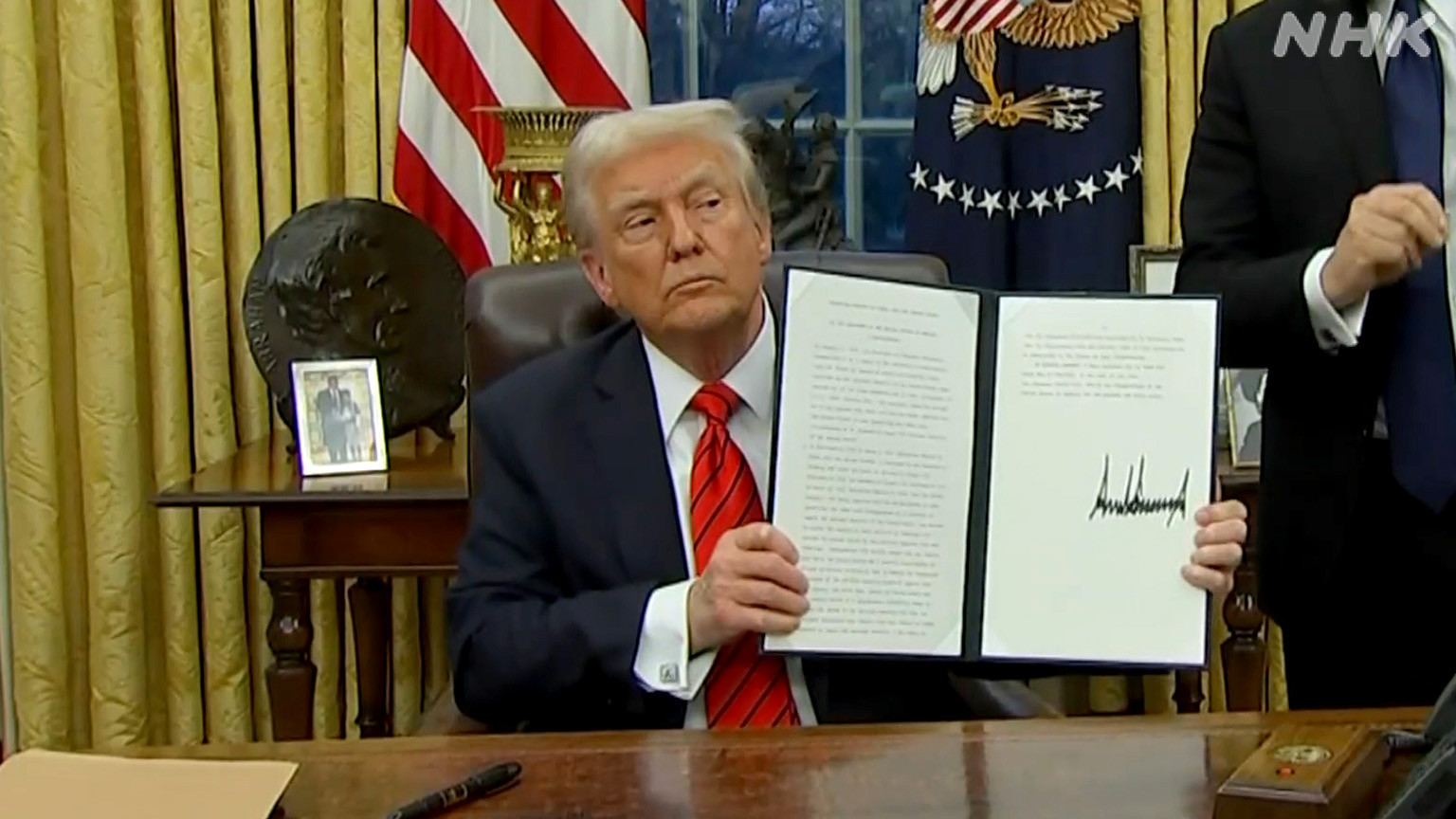
The findings surface ahead of China’s annual National People’s Congress (NPC) session on March 5, where economic policies will take center stage. Lawmakers will also deliberate on rising geopolitical tensions, particularly those stemming from U.S. President Donald Trump’s renewed trade war. After imposing 10 percent tariffs on Chinese goods earlier this month, Trump has hinted at raising them to 60 percent, citing concerns over fentanyl exports.
In response to economic headwinds, President Xi Jinping met with top corporate leaders, including Alibaba founder Jack Ma, urging them to revitalize business confidence. His appeal comes amid regulatory crackdowns and trade uncertainty, further dampening investor sentiment in the world’s second-largest economy.
 OpinionExpress.In









Comments (0)