



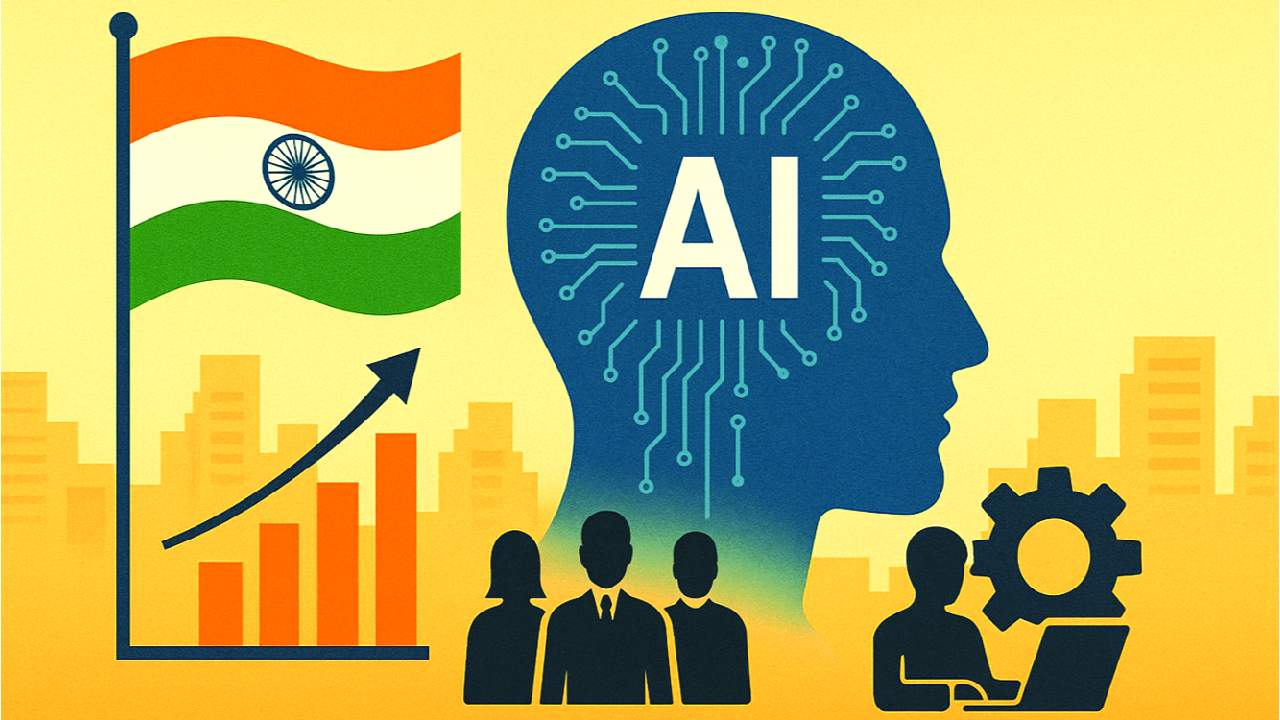
India is set to stake its claim in the global artificial intelligence race as Prime Minister Narendra Modi inaugurates the India AI Impact Summit in New Delhi, drawing an unprecedented constellation of global tech leaders and policymakers. The gathering signals New Delhi’s ambition to move from being the world’s back office to becoming a frontline innovator in frontier AI models.
Among the high-profile attendees are Sundar Pichai of Alphabet, Sam Altman of OpenAI, Dario Amodei, and Alexandr Wang, alongside leading AI researchers such as Yann LeCun. Their presence underscores India’s rising strategic importance as both a market and a development hub.
For Modi, the summit is more than symbolism. India’s digital public infrastructure — anchored by Aadhaar, UPI, and expansive data ecosystems — offers a unique foundation to deploy AI at population scale. Officials argue that layering AI onto identity, payments, health and education stacks could compress decades of development into a few transformative years.
India already ranks third globally in AI competitiveness, behind the United States and China. Yet challenges remain: limited R&D spending and dependence on foreign foundational models could constrain long-term leadership.
To counter this, domestic initiatives are accelerating. BharatGen will unveil Param2, a 17-billion parameter model supporting 22 Indian languages, while Sarvam AI prepares a larger voice-first system tailored to India’s linguistic diversity. The emphasis is clear — affordable, multilingual AI designed for governance, agriculture, healthcare and classrooms.
As global chip politics reshape supply chains and firms seek alternatives to China, India is positioning itself not just as a consumer of AI, but as a co-architect of its next chapter.
 OpinionExpress.In












Comments (0)