
News Destination For The Global Indian Community


News Destination For The Global Indian Community
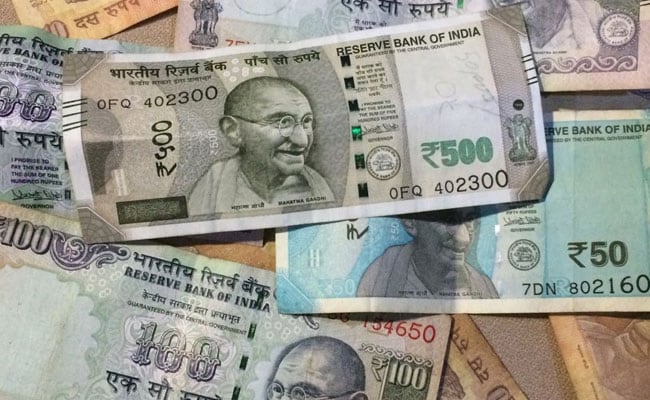
India's Rupee Is Sending a Distress Message
by Adarsh Pal / 21 May 2026At a petrol station on the outskirts of Pune last week, a truck driver named Rajan watched the pump tick past ?4,000 for the second time this month. "Last year it was ?3,200 for the same tank," he said, shaking his head. "Everything goes up, nothing comes down." He is not wrong. And what is happening at that pump is not merely an Indian story it is the clearest illustration of what happens when three global forces collide inside one economy at the same time.
India's rupee has lost nearly 14% of its value against the dollar since early 2025, sliding past ?96 this month, levels not seen since the taper tantrum year of 2013. Crude oil, which India imports almost entirely from abroad, is trading between $111 and $121 a barrel. And the yield on India's 10-year government bond has climbed to 7.1%, its highest in two years. Individually, each of these would be manageable. Together, they form a loop that is proving very difficult to break.
Here is how the loop works. Rising crude means India needs more dollars to pay for oil. More dollar demand weakens the rupee. A weaker rupee makes each barrel of crude cost even more in local currency terms, so India needs still more dollars. Foreign investors, watching the currency fall, pull their money out. That selling drives the rupee lower still. Rajan's fuel bill rises again.
This is not abstract. India's daily crude import bill at $114 per barrel is roughly ?650 crore above what the government budgeted. Analysts at Emkay Global estimate that if Brent stays above $105 for another month, a ?10-per-litre fuel price hike becomes unavoidable, pushing inflation past 4.4% and closing the door on any interest rate relief the Reserve Bank of India had been considering. The government, sensing the pressure, has already raised petrol and diesel prices twice in a single week. It also slapped higher import duties on gold and silver on May 13, hoping to slow the dollar bleed through discretionary imports. These are the actions of an administration playing defence.
The bond market has noticed. When oil prices spike, inflation expectations rise, and bond investors demand higher yields to compensate. India's 10-year yield has moved in lockstep with every crude jump this year. That matters for equity investors in Mumbai but it also matters for a pension fund manager in Amsterdam deciding whether Indian government debt is worth holding when US Treasuries offer 4.4% in a currency that, unlike the rupee, is not losing value. The answer, increasingly, is no. Foreign portfolio investors have withdrawn the equivalent of roughly $31 billion from Indian equities in 2026 alone.
And yet India's stock market has not collapsed. The Nifty 50 closed above 23,650 on Wednesday, recovering 250 points after an intraday sell-off. The reason is quietly remarkable: domestic investors, ordinary Indians putting money into mutual funds through monthly systematic investment plans, have become a structural counterweight to foreign flight. Their inflows now regularly absorb what FIIs sell. It is one of the more underappreciated shifts in any major emerging market over the past decade.
But domestic resilience has its limits. It can absorb volatility; it cannot reprice oil. And the uncomfortable truth is that the one thing most likely to resolve India's triple squeeze is not a policy decision in Delhi or Mumbai, it is a diplomatic agreement in Geneva or Muscat. A credible end to the US-Iran conflict would send crude below $100, stabilise the rupee, and hand the RBI back its rate-cutting toolkit in a matter of days. No domestic measure comes close to that in speed or scale.
That geopolitical dependency is itself the lesson. India has spent a decade building the institutions SEBI’s investor protections, the mutual fund infrastructure, the digital payments architecture that have deepened its capital markets. Those foundations are real. But an economy that imports nearly nine-tenths of its oil has structurally outsourced a portion of its monetary policy to whoever controls the Strait of Hormuz. The truck driver in Pune understands this intuitively, even if he would not use those words.
The rupee's slide is not a crisis. But it is a signal that the rewards of deeper markets and a growing investor base can be quickly offset by the vulnerabilities of energy dependence and currency exposure. Rajan's fuel bill will not be fixed by a stronger Nifty. And a government serious about India's next decade of growth would treat his pump receipt as the policy document it is.
Beyond Targets: Rethinking Sectoral Pathways in India’s Climate Strategy
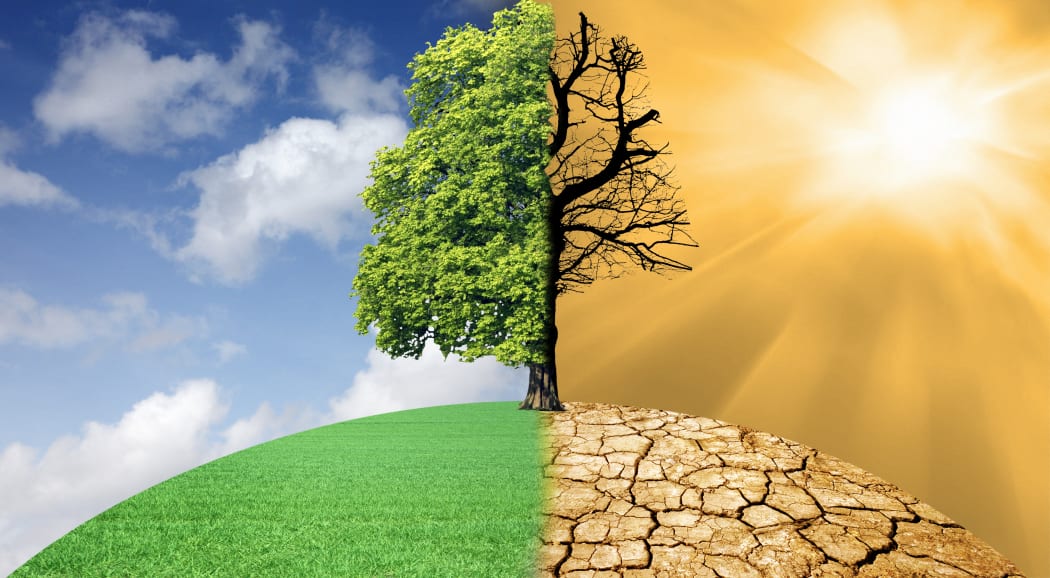
by Shreya Gupta / 15 May 2026India’s recently updated Nationally Determined Contribution (NDC), submitted to UNFCCC in April 2026 should be interpreted as a continuation of a carefully sequenced climate strategy developed over more than a decade in line with the global climate strategy. It commits to reducing the emissions intensity of GDP by 47% from 2005 levels by 2035, raising non-fossil sources to about 60% of installed electricity capacity, and creating an additional 3.5–4.0 billion tonnes of CO?-equivalent carbon sink through forests and tree cover by 2035. These targets build on already early progress—India had 52.57% non-fossil installed power capacity by February 2026, cut emissions intensity 36?tween 2005 and 2020, and created 2.29 billion tonnes of additional carbon sink between 2005 and 2021. Despite hosting nearly 17% of the world’s population, India accounts for less than 4% of cumulative global CO? emissions since 1850, with per-capita emissions significantly lower than the global average, while committing to net-zero by 2070. These outcomes reflect a policy approach in which commitments follow demonstrated implementation capacity.
These include renewable expansion under the National Solar Mission, strengthening transmission infrastructure across states through the Green Energy Corridor programme, storage deployment and planned nuclear scaling. Modelling under Scenarios Towards Viksit Bharat and Net Zero by NITI Aayog identifies electricity decarbonisation as the most powerful lever for economy-wide mitigation. Other policy instruments to meet the emission intensity reduction goals include the Carbon Credit Trading Scheme, expansion of electric mobility through PM E-DRIVE, production-linked incentives for batteries and solar manufacturing, biofuel blending targets, PM Gati Shakti mission, Dedicated Freight Corridors, and National Green Hydrogen Mission targeting 5 million tonnes annually by 2030. Moreover, the forest-sink target builds on the Green India Mission, Compensatory Afforestation Fund Management and Planning Authority (CAMPA) funded afforestation, agroforestry expansion and restoration tracked through India State of Forest Reports. Together with Mission LiFE and Long-Term Low-Emission Development Strategy (LT-LEDS), these instruments, India has continued to communicate that India’s climate commitments extend existing implementation pathways rather than relying on headline targets that risk outpacing institutional readiness.[2] These emission intensity targets allow mitigation alongside increasing energy demand, infrastructure expansion and urbanisation in a country where per capita CO2 emissions remain below the global average, with a clear signal-India’s NDC is designed around national realities and not imported climate templates.
By contrast, sectors like transport and industry present more complex institutional and technological challenges. Decarbonisation in steel, cement and fertilisers depends on emerging technologies such as green hydrogen and carbon capture, whose costs remain higher than conventional alternatives—for example, as estimated in a recent study, the levelized cost of green hydrogen is USD 4.45/Kg, nearly twice that of hydrogen produced from coal and about four times that of hydrogen produced from natural gas[3]—and requires major investments in low-carbon electricity, hydrogen production and transport networks, and infrastructure. In several cases, including hydrogen-based steelmaking, competitiveness is not expected before the mid-2030s. Transport emissions are also projected to rise with urbanisation and logistics expansion, with passenger demand estimated to increase from 7,303 to 26,983 billion passenger-km and freight movement from 2,682 to 20,644 billion tonne-km between 2019–20 and 2050–51, while sectoral GHG emissions could increase more than sixfold over the same period, according to TERI’s Roadmap for India’s Energy Transition in the Transport Sector.
There is also a deeper geopolitical dimension to India’s calibrated approach. Persistent shortfalls in climate finance and technology transfer commitments reinforce concerns that mitigation pathways in industry, transport and energy storage remain capital-intensive without predictable international support. At the same time, India’s engagement with evolving UNFCCC transparency requirements reflects a careful balance between multilateral obligations and domestic priorities. Reporting burdens can divert institutional capacity away from implementation. Recent geopolitical tensions across several regions have further complicated the policy environment for energy transitions. Disruptions in energy markets, trade routes and technology supply chains show that clean-energy deployment depends not only on domestic policy ambition but also on secure access to critical minerals, manufacturing inputs and advanced technologies. Global supply chains for minerals used in solar modules, batteries, electric vehicles and hydrogen technologies remain geographically and politically concentrated, creating risks of price volatility and supply disruption.[4]
The more immediate requirement may therefore be sectoral priorities embedded in coordinated policy frameworks rather than sectoral emission caps. This is particularly critical for the transport sector. The Indian transport sector involves multiple ministries and regulatory jurisdictions, requiring strong coordination to support a unified mitigation framework. Responsibilities are divided among the Ministry of Road Transport and Highways and the Bureau of Energy Efficiency under the Ministry of Power (vehicle standards and fuel-efficiency regulation), the Ministry of Petroleum and Natural Gas (fuel supply and blending), the Ministry of Railways (modal electrification), the Ministry of Housing and Urban Affairs (public transport systems), the Ministry of Heavy Industries (electric mobility incentives), and the Ministry of New and Renewable Energy (green hydrogen deployment), the Ministry of Civil Aviation (sustainable aviation fuels and airport electrification), & the Ministry of Ports, Shipping and Waterways (green shipping corridors and port electrification).
What we need is a unified mission. The 2008 National Action Plan on Climate Change included transport under the National Mission on Sustainable Habitat; however, with multi-fold growth expected in both passenger & freight mobility, we must have a dedicated mission—a National Mission on Sustainable Transport. Earlier, the National Transport Development Policy Committee (NTDPC) highlighted the importance of stronger institutional alignment in transport planning & policy. Recent national sectoral emissions modelling by NITI Aayog provides a timely opportunity to build greater consensus and a shared vision going forward.
In this context, the latest NDC should be seen as a bridge from commitments to coordinated implementation across sectors aligned with India’s development priorities.
Author Details
Shreya Gupta, Research Associate, The Energy and Resources Institute (TERI). The views expressed are personal and do not reflect those of the author’s organisation.

From Likes to Leadership: Social Media Empowers Youth in Digital Democracy
by Opinion Express / 14 April 2026Not long ago, social media was mostly about sharing selfies, memes, and weekend plans. Today, it has become one of the most influential arenas for political discussion, community organizing, and social change especially among young people. From India to Bangladesh and beyond, a generation that grew up with smartphones is using these platforms not just to react, but to lead.
In India, where more than two-thirds of the population is under 35, young voices dominate the digital conversation. Platforms like Instagram, YouTube, and X have turned into primary sources of political news and debate for millions of 18- to 29-year-olds. Many spend hours daily scrolling through reels, live streams, and sharp political commentary. During recent elections, short videos and targeted campaigns on Instagram proved especially effective at reaching first-time voters. Similar trends appear worldwide: young people increasingly turn to social media and video content for political information, often preferring it over traditional news outlets.
When Online Anger Moves Offline
This digital energy has repeatedly spilled into the streets. In 2024, Bangladesh’s student-led protests, largely coordinated through Facebook, WhatsApp, and viral videos, grew from campus grievances into a nationwide movement that ultimately toppled the government. Students shared real-time footage of events, built solidarity across borders, and bypassed state-controlled media.
A year later, in Nepal, a sudden government ban on major social media platforms triggered massive Gen Z protests against corruption and censorship. What began as online outrage quickly escalated into widespread demonstrations, forcing political concessions and highlighting how quickly digital frustration can ignite real-world action.
Similar youth-driven waves have appeared in climate campaigns, anti-corruption drives, and justice movements across continents. Hashtags, live streams, and shareable videos allow ideas to spread faster than ever, enabling young organizers to rally support without traditional hierarchies or big budgets.
The Voting Gap
Yet there’s a striking disconnect. While young people are highly active online debating policies, sharing analysis, and amplifying causes many still hesitate to show up at polling stations. In the 2024 U.S. presidential election, roughly 47% of eligible voters aged 18–29 cast ballots, a figure that felt disappointing to many activists despite being higher than some past cycles. In India, youth registration has risen, but translating digital enthusiasm into consistent offline participation remains an ongoing challenge.
This gap raises an important question: Can “clicktivism” evolve into sustained civic power? Bridging that divide will likely require creative efforts—voter registration drives integrated with social campaigns, community organizing that starts online but ends in local action, and education that shows young people how their voices matter beyond the screen.
New Forms of Leadership
At the same time, social media is nurturing a different kind of leadership. Young influencers, student organizers, and content creators are shaping narratives through relatable videos and personal storytelling. They build communities where peers feel seen and heard, discuss complex issues, and motivate collective action. For many, these platforms offer an accessible entry point into politics that doesn’t require waiting for an invitation from established parties.
Visual content—quick explainers, emotional testimonials, or sharp memes often resonates more deeply with younger audiences than lengthy speeches or newspaper columns. The result is a more decentralized, creative style of civic engagement.
The Double-Edged Sword
Of course, these tools come with serious risks. Algorithms often push users into echo chambers, feeding them content that confirms existing beliefs and intensifying polarization. Misinformation spreads rapidly, and the pressure for virality can reward outrage over nuance. Young people, as heavy users of short-form video, are especially exposed to these dynamics.
Studies suggest that those who supplement social media with established news sources tend to develop stronger civic habits, including higher voting rates. This points to the urgent need for better media literacy teaching critical thinking, source verification, and the ability to spot manipulation amid the constant scroll.
Platform design plays a role, too. Business models built on maximizing engagement sometimes amplify divisive or false content. Addressing this will require cooperation among governments, educators, tech companies, and users themselves.
Looking Ahead
As artificial intelligence and more immersive formats enter the mix, social media’s influence on youth politics will only grow. The potential is enormous: more inclusive debates, faster mobilization, and stronger connections across borders. But realizing that potential depends on how we handle the downsides of misinformation, shallow engagement, and digital divides.
The path forward lies in combining the best of both worlds. Young people already excel at using digital tools to raise awareness and build momentum. The next step is helping them convert that energy into lasting influence at the ballot box, in community work, and in shaping policy.
Social media didn’t create youthful idealism or frustration with the status quo; it simply gave it a powerful megaphone. Whether that leads to deeper democratic renewal or heightened division will depend on the choices we make today about literacy, platform responsibility, and how we turn online voices into real-world change.
The journey from likes to genuine leadership is messy and far from complete. But for a generation that has never known a world without these platforms, it may well define the future of democracy.
By Ambikesh Pandey, PhD Candidate in Decision Sciences at IIM Udaipur,
Ambikesh is currently a PhD candidate in Decision Sciences at the Indian Institute of Management Udaipur, with a research focus on behavioural decision-making processes. As a scholar examining governance, digital participation, and the evolving role of social media in democracy, his work lies at the intersection of governance, information technology, and social media areas that align closely with both his academic interests and civic values. His academic journey is driven by a strong commitment to advancing global development through impactful, interdisciplinary research. Along with this, He is thinking of launching 'YouthPulse,' a platform focused on promoting civic sense and digital democracy among users.
And Rushali Kaul, Social Media Executive (The Bonus, Amar Ujala)
Rushali Kaul is a Social Media Executive at The Bonus, Amar Ujala (Noida, India) and a founding member of the digital initiative, where she play a key role in building and strengthening the brand’s online presence from the ground up. Her specialization in creating and executing data-driven social media strategies that enhance brand visibility, audience engagement, and content performance across major digital platforms.
A Tale of Two Forgotten Bengalis
by Sindhunil Barman Roy / 28 March 2026History reminds us that the British East India Company made its fateful inroads through the soil of Bengal, and it was here that the first seeds of the Indian freedom struggle were sown—from the spark of the Sepoy Mutiny at Barrackpore to the organized revolutionary movements of the early twentieth century. It was this intellectual and radical ferocity that led Bal Gangadhar Tilak to famously remark, "What Bengal thinks today, India will think tomorrow." If Tilak’s axiom holds any residual truth, then the current tremors in the Bengali identity are not merely a regional concern; they are a bellwether for pan-Indian consequences.
I just had a 1,400-kilometre journey along the banks of the Narmada, from its primordial source at Amarkantak to its churning estuary at the Gulf of Khambhat. It is more than a geographic traversal; for a Bengali rooted in West Bengal, it is a clinical audit of the soul. As we drove through the heart of Chhattisgarh, Madhya Pradesh, Maharashtra, and Gujarat, our car—adorned with a bilingual banner in Bengali and Hindi—served as a mobile lightning rod for questions of identity. I am neither a devout pilgrim nor a hardened atheist, yet as a physicist accustomed to observing the anomalies that break established models, the experience was a revelation of a systemic collapse.
I was met with perplexing, often uncomfortable interrogations about the state of West Bengal, and tellingly, nearly all of them came from Bengalis—ascetics who had renounced the world in the forests of Central India and expatriates who had built thriving lives far from the Ganga-Padma delta. When I attempted to lean on the "classical" crutches of our political discourse—the perceived step-motherly behaviour of the Centre or the rise of external communal polarisations—the arguments failed to cut much ice. My interlocutors, many living in states where local governments are perennially at odds with New Delhi, pointed out the obvious: these are the constants of Indian federalism. They asked, with a bluntness that only distance affords, why the Bengali alone seems to use these as perennially convenient excuses for a perceptible cultural and intellectual retreat.
This sense of a culture in defensive withdrawal was recently punctuated by the ultimate straw on the camel’s back: a prominent political leader in West Bengal demanding a "loyalty test" for Bengalis. It was a crude, provincial echo of the infamous "Cricket Test" proposed by the British Conservative politician Norman Tebbit in 1990, who suggested that South Asian immigrants were not truly British unless they cheered for England. When a culture begins demanding loyalty tests from its own people, it has transitioned from an expansive, confident civilization into a terrified, gated enclave. It is the ultimate admission of insecurity. We are no longer a culture that attracts; we are a community that suspects its own residents. This provincialism is the absolute antithesis of the universalism of Rabindranath Tagore, Swami Vivekananda, or Kazi Nazrul Islam, yet it is being peddled as a desperate defence of identity. As a physicist, this suggests to me that the "classical model" of Bengali identity has reached its ultraviolet catastrophe—the point where old equations no longer describe the subatomic reality of our crisis.
To understand this collapse, we must look at the "anomalies" that our intellectual class prefers to ignore, specifically the systematic academic sanitisation of our revolutionary history. For decades, an intellectual elite—often comfortably entrenched in Western universities—has popularized the term "Gentleman Terrorists" to describe the Bengali revolutionaries of the early twentieth century. This is a masterstroke of domesticating the radical. By appending "gentleman" to the revolutionary, they strip the fire from the fuse, recasting the bomb-maker as a frustrated Bhadralok or a sociological case study in middle-class angst. They turn the roar of the movement into a polite, localized grievance. This displacement of truth is devastating. While these intellectuals "deconstruct" the Bengali spirit for global consumption, they conveniently omit the sheer, brutal scale of the sacrifice. Look at the records of the Andaman Cellular Jail, the dreaded Kala Pani. Of the political prisoners held in those soul-crushing cells, subjected to the oil mill and the whip, more than 450 were Bengalis. These were not "gentlemen" engaging in a hobby of dissent between cups of tea; they were the steel backbone of a pan-Indian uprising. The British Empire feared them not for their "gentlemanly" conduct, but for their terrifying ability to organize across linguistic and provincial lines. Yet, in our modern curriculum, these 450+ names have been reduced to a footnote, or worse, lumped into a "terrorist" category that modern Bengal is now taught to view with a sterilized, academic distance.
Consider the first random anomaly: Rajendra Nath Lahiri. In the hallowed halls of elite Indian universities, the names Ram Prasad Bismil, Ashfaqullah Khan, and Thakur Roshan Singh are household icons, the "poster boys" of the Hindustan Republican Association (HRA). Yet, how many modern Bengalis—those currently obsessed with loyalty tests—even know that the mastermind behind the Dakshineswar bombing and the Kakori Rail Dacoity was a Bengali named Rajen Lahiri? The British Empire was so terrified of Lahiri’s intellect and radicalism that they hanged him in Gonda Jail on December 17, 1927—two full days before his three comrades were sent to the gallows. They feared a rescue attempt; they feared the "Bengali spark" igniting the North. Today, Lahiri is a ghost in his own land. We have traded our revolutionary fire for a manageable, "intellectualized" version of history. We claim the revolution in our poetry, but we bury the men who actually built the bombs.
The second random anomaly is Dhirendranath Datta. Every February 21st, we swell with pride as the United Nations observes International Mother Language Day, a global tribute to the Bengali Language Movement. But we rarely discuss the man who first moved the resolution in the Pakistan Constituent Assembly in February 1948 to make Bengali a state language. Datta was a "Bengali Gentleman" in the truest sense—principled, bilingual, and fiercely rooted. Yet, his trajectory—ignored by the power centres of West Bengal and eventually tortured and murdered by the Pakistan Army in 1971—points to a culture that prefers symbols over substance. We celebrate the event because it feeds our vanity, but we have discarded the man because his brand of gritty, constitutional defiance is too demanding for our current era of performative politics. By ignoring men like Lahiri and Datta, we have hollowed out our identity, leaving a vacuum filled by narrow provincialism and "Tebbit-style" loyalty tests.
Like Lord Kelvin at the zenith of the nineteenth century, our political and intellectual class declares that our identity is secure, that these "anomalies" of forgotten heroes and diaspora insecurity are minor "clouds" in an otherwise clear sky. They are wrong. These are not small clouds; they are the signals of a total paradigm collapse. The "classical" Bengali identity, built on nineteenth-century Renaissance nostalgia and mid-twentieth-century rhetoric, can no longer explain or sustain our twenty-first-century reality. It is a model that has failed to account for the kinetic energy of a world that no longer rewards nostalgia.
I call upon the Gen-Z of India in general, and Bengalis in particular, to be the Max Plancks, the Einsteins, and the Heisenbergs of our social fabric. Just as those young physicists did not try to "patch up" Newtonian physics but instead realized it was fundamentally incapable of explaining the subatomic world, the younger generation must realize that the current provincialism of our leaders is a dead end. The old world of "gentlemanly" sanitization and exclusionary tests is collapsing under its own weight. Like the scientific revolution of the early twentieth century, which led to the total collapse of the objective materialist world through the work of Dirac, Schrödinger, and Bohr, we need a paradigm shift in how we perceive ourselves. The anomalies are shouting at us from the banks of the Narmada to the cells of the Andamans. Gen-Z must stop looking at the horizon of the past and start thinking hard about the quantum leap required to remain relevant. The "objective materialist" version of Bengal—defined by borders, loyalty tests, and sanitized history—is over. A new, radical, and universal identity must be born, or we will remain forever haunted by the ghosts of the men we chose to forget.

Iran’s Asymmetric Strategies Are Not Mere Deliberate Choices to Outlast Adversaries
by Dr. Manoj Kumar Mishra / 28 March 2026The war in the Middle East demonstrates the sheer failure of the US in terms of clear strategic planning based on effective cost-benefit analysis before going into it. Hence, it failed in anticipating the likely outcomes. The Trump administration moved by simplistic and sweeping understanding judged the military operation would be a short-lived and surgical one that would push Iran to the precipice of regime change. However, this thinking proved wrong and Iran refused to be Venezuela 2.0.
Led by this overly simplistic assumption, both the US and Israel started the game with a gamble to assassinate Iran’s Supreme Leader Ayatollah Ali Khamenei, hoping for the collapse of the regime. However, this did not force Iran to capitulate. They assassinated the commanders and leaders representing Iran’s political and military strength and tried to destroy the country’s nuclear and military strength as much as they could; still, Iran prevailed. The US and Israel were largely successful in scoring these tactical gains vis-à-vis Iran. But judged by overall strategy, they failed and the US paid a heavy price in each step towards knocking out Iran’s missile and drone launching capabilities as the war drained the US stockpile of updated missiles, arms and ammunition along with financial resources. Meanwhile, the US President Donald Trump was forced to recognise the rising costs of the war and recalibrate the strategy by declaring a pause in strikes and looking for off-ramps.
Iran’s Asymmetric Strategies
Iran was aware of the fact that it could not have a conventional victory against a joint military campaign of the US and Israel, two of the world’s most advanced militaries. Hence, it had been training itself since the Iran-Iraq war 1980-88 in the art of surviving the military offensives and imposing high costs on the adversaries. Its preparation and training stem from the awareness that it faced an existential threat from both the US and Israel since the Islamic Revolution of 1979, quickly followed by the protracted Iran-Iraq war of eight years, where Iran alone fought against a colossus collective adversary, just like the current war, when Iran is confronting the US, Israel and Gulf states. Then, Iraq was backed by the US and the Soviet Union, which were providing key assistance at the military, intelligence and diplomatic levels and the Gulf states were assisting with financial inflows. While confronting the two superpowers, Iran was cut off from the international military and economic supply chains. As a result, it was necessary to learn the art of cultivating various non-state actors and fostering a shadow economy not only to survive against the adversaries but to impose prohibitive costs on them as well. Against this backdrop, Iran developed a strategy of mine warfare and fought by recruiting irregular fighters as regular channels of moving men and materiel were blocked. The asymmetric war strategies that developed out of expediency were further fine-tuned and became an integral part of Tehran’s regular strategy to maintain forward defence to help it project power in the region while avoiding direct confrontation with great powers. The deaths and destruction that Iran had to put up with during the Iran-Iraq war propelled it to adopt a forward defence strategy. Using various proxy groups simultaneously allowed Iran the leeway to adopt a course of deniability to avoid exposure to any kind of direct war.
Iran’s shadow economy was maintained through “shadow fleet” or “dark fleet” referring to a covert network of hundreds of older, often uninsured tankers that use deceptive tactics to export oil in violation of international sanctions. Under the Islamic Revolutionary Guard Corp’s (IRGC) institutional control, an expansive military-industrial complex was placed.
The IRGC assiduously built Hezbollah as a massive military force in Lebanon. The American military invasion of Iraq in 2003 helped Iran cultivate Shiite militias who adopted new techniques of asymmetric warfare, including roadside bombing networks, intelligence-driven targeting of US diplomats, commanders other personnel. They also used partner militias to maintain deniability. Civil war in Syria provided a rich theatre of experience for the Iranian-backed proxies since 2011 where they confronted local Islamic radical groups as well as foreign forces. Iran, over the years, developed decentralized logistics network to move fighters and materiel through Iraq and Syria, which is being used in this war as well. The IRGC trained the military personnel as well as proxies in the doctrine of absorbing strikes, dispersing and reconstituting, which has been instrumental not in winning wars but in making the war too costly for the adversaries to reinvigorate.
The Economic and Political Dimensions of Asymmetric War
Iran, over decades, has been cut off from the international financial market and trading system, whereas its assets remain frozen and it is deprived of generating oil revenues through legitimate channels. It has been kept out of the petrodollar system. Hence, it did not see any costs to itself when it sought to hold the global trading and financial system to hostage by blocking the Strait of Hormuz and striking missiles at ports and firms across the Middle East, as it saw little stake in safeguarding the same.
Iran witnessed how the US military bases that were built around the Middle East temporarily to provide security to the Gulf countries in the turbulent region during and following the Gulf War of 1990 were made permanent. The Gulf countries were made to tolerate the military alliance between the US and Israel in return for the American security partnership with them. The US also floated the plan of the Arab-Israeli peace process to alienate Iran. Hence, Iran harboured the desire to demonstrate to the Gulf countries that the US pivot to the region is tethered to and closely aligned with Israel’s interests rather than those of the Gulf countries. In this war, Iran demonstrated how, by initiating the war along with Israel, the US placed the Gulf economy and security in jeopardy. Iran, by attacking the bases, diplomatic and financial centres, with reasonable success in the Gulf region, demonstrated that the US military bases have been built only to provide security to Israel rather than the Gulf countries. Iran sought to raise the political cost of American military operations by generating such a trust deficit in the Gulf.
Iran developed alternative strategies and political willpower to persist and fight back even after the assassination of the top leaders of all branches of military and intelligence wings, along with the decapitation of the Supreme Leader of the Islamic Republic, which Tehran had predicted and was prepared for the eventuality. The adversaries expected that it would steer the country towards regime change. However, the attainment of these tactical gains failed to even deter Iran, let alone the collapse of the regime. The US and Israel eventually prolonged the war driven by sunk cost fallacy. Iran, on the other hand, based on its years of experience and awareness of the massive military threat from the US and Israel to its existence, had trained itself in decentralized warfare tactics by empowering military personnel at each level of decision-making and carrying out military operations.
The removal of older generation leaders paved the way for the assumption of leadership by younger generations who are more battle-hardened and ambitious. Iran knows that success for it is just to survive the military onslaught and impose enough costs to prove that it can uphold its sovereignty by dampening the willingness of external powers to fight an expensive and uncertain war.
Sir B. N. Rau: India’s Forgotten Constitutional Sage
by Dr. Charu Mathur / 29 November 2025India’s Constitution bears the imprint of many hands, but few contributed as quietly and profoundly as Sir B. N. Rau — remembered today, 72 years on.
30 November marks the 72nd death anniversary of Sir Benegal Narsing Rau (1887–1953), the constitutional thinker whose scholarship shaped the foundations of India’s Republic. His contributions remain among the most significant yet least recognised in our constitutional history. Remembering him today restores a vital part of our national memory.
Born in Mangalore in 1887, Rau was the second son of Dr. R. R. Rau, a respected physician and educationist. His family produced several distinguished public servants, including a dean of Banaras Hindu University, an RBI Governor, and B. Shiva Rao, the parliamentarian-journalist who authored The Framing of India’s Constitution, the definitive chronicle of India’s founding. Rau’s own brilliance was evident early. Graduating from Presidency College, Madras with a rare triple first class, he proceeded to Trinity College, Cambridge, where even a young Jawaharlal Nehru described him in a letter home as “frightfully clever.”
Rau entered the Indian Civil Service in 1910 and developed a deep understanding of legislation and governance. Between 1935 and 1937, he undertook one of the largest legal reform exercises in modern Indian history: revising the entire statutory code after the Government of India Act, 1935. This enormous task — completed in less than two years — earned him a knighthood in 1938.
From 1939 to 1944, Rau served as a judge of the Bengal High Court at Calcutta. His ruling in GP Stewart v. B. K. Roy Chaudhury (1939) became a foundational precedent on legislative repugnancy, later affirmed by the Supreme Court in Tika Ramji (1956). He then briefly served as Prime Minister of Jammu & Kashmir (1944–45), gaining frontline experience in federal complexities.
His defining contribution began in 1947. On 29 August, the Constituent Assembly appointed Rau as its Constitutional Adviser. In just eight weeks, he produced the first complete Draft Constitution, a 240-article, 13-schedule document that offered India not merely a structure but a coherent constitutional philosophy. This draft became the base text that the Drafting Committee later refined.
The strength of Rau’s draft lay in his method. He did not imitate foreign models; he studied them with rigour. Travelling to the United States, the United Kingdom, Ireland and Canada, he met judges, scholars and policymakers. He discussed judicial review with U.S. Supreme Court Justice Felix Frankfurter, examined Irish parliamentary democracy, studied Canadian federalism, and absorbed lessons from European constitutional traditions. His aim was always adaptation, not imitation — to harmonise global constitutional wisdom with India’s unique social and political realities.
Among Rau’s most enduring contributions was the architecture of fundamental rights. He insisted that rights must be enforceable. Accordingly, he proposed a two-tier design: any law inconsistent with fundamental rights would be void, and the right to move the Supreme Court for enforcement would itself be a fundamental right. This concept later crystallised into Article 32 — the guarantee that constitutional promises would be matched by constitutional remedies.
Equally significant was Rau’s insistence on precision. Having examined the consequences of vague guarantees in other jurisdictions — particularly the American due process doctrine — he warned against broad language that could enable judicial overreach or legislative evasion. His Notes on Fundamental Rights reveal a careful balance between liberty and constitutional discipline, an equilibrium that continues to influence Indian constitutional interpretation.
After the Constitution’s adoption in 1949, Rau became India’s Permanent Representative to the United Nations. His diplomatic clarity earned him wide respect. In 1952, he was elected a judge of the Permanent Court of International Justice at The Hague. Before his election, he was even regarded as a potential candidate for Secretary-General of the United Nations — an extraordinary recognition of his stature in international law.
Yet Rau remains little known outside specialist circles. Partly this is due to his temperament: he disliked public attention, preferred scholarship to rhetoric, and believed constitutional work should speak for itself. History often remembers those who occupy the podium, not those who labour quietly behind the scenes. But overlooking Rau diminishes our understanding of how the Constitution came to embody clarity, balance and intellectual depth.
On this 72nd anniversary of his passing, it is fitting to honour the scholar who helped give the Republic its constitutional soul. Sir Benegal Narsing Rau reminds us that democracies are built not only by leaders and legislators but by those who think deeply, draft meticulously and serve quietly. He remains one of modern India’s most remarkable, if least celebrated, architects — and remembering him today is an act of both justice and gratitude.
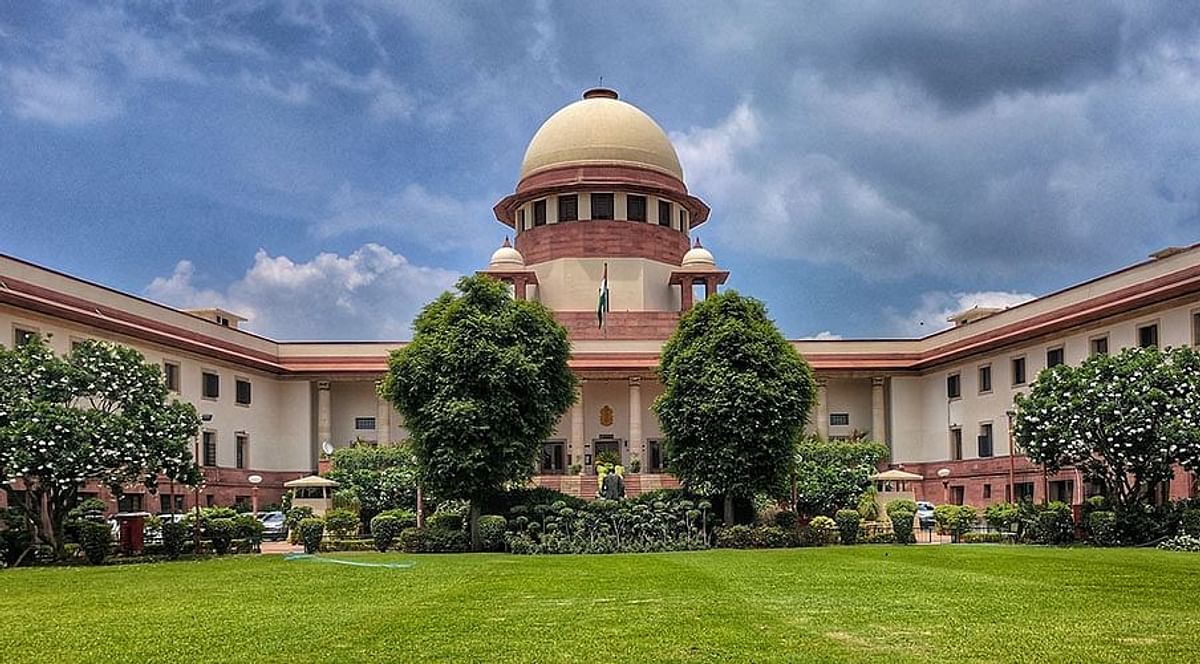
Dr. Charu Mathur, Advocate-on-Record, Supreme Court of India. Views expressed are personal.
Kerala’s Poverty Paradox: The Politics of Declaring ‘Zero Extreme Poverty’
by Opinion Express / 04 November 2025When good intentions masquerade as grand success, the truth about deprivation becomes the first casualty.
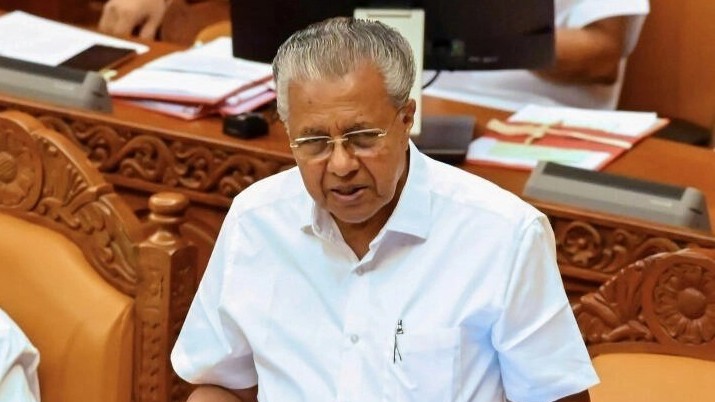
The Kerala government’s claim to have eradicated extreme poverty deserves applause for its moral ambition — but also scrutiny for its methodological confusion and semantic sleight of hand. What is being celebrated as the world’s second instance, after China, of the complete elimination of extreme poverty, is in fact a rebranding of a welfare rehabilitation drive. The Extreme Poverty Eradication Programme (EPEP) may have changed lives, but to call it an “eradication of extreme poverty” is a categorical overstatement that weakens the credibility of Kerala’s otherwise impressive social development legacy.
A Statistical Mirage
The first red flag lies in the very arithmetic of the claim. The government asserts that 64,006 “families” — comprising 1,03,099 individuals — have been brought out of extreme poverty. That translates to an average family size of 1.6 — a demographic impossibility in a state whose average household size is 4.5. What the government calls “families” are evidently households, and that error is not just linguistic but analytical.
The mistake is compounded when the project’s architects try to align this number with NITI Aayog’s estimate that 0.73% of Kerala’s population lives in extreme poverty. Even by their own figures, the project covers barely 0.28% of the population — less than half the officially recognised proportion. In effect, Kerala has not eradicated extreme poverty; it has redefined it to fit a politically convenient narrative.
A Redefinition of the Poor
The EPEP’s conceptual problem runs deeper. The programme’s eligibility criteria exclude the poorest households already covered under existing schemes, such as the Antyodaya Anna Yojana — 5.9 lakh ration cardholders deemed “poorest of the poor.” If the policy logic was to “reach those left out of welfare,” this was not extreme poverty eradication but gap-filling in welfare coverage.
In economic terms, EPEP targeted a residual group — the destitute, marginalised, and unregistered poor — rather than the extremely poor in the multidimensional sense defined by the World Bank or NITI Aayog’s MPI framework. What Kerala has effectively achieved is rehabilitation of destitution, not eradication of extreme poverty. A more accurate name for the initiative would be the Rehabilitation Project for the Destitute.
The Global Definition: What Is ‘Extreme Poverty’?
The World Bank’s updated (2022) global threshold for extreme poverty stands at US$2.15 per person per day (2017 PPP), a benchmark intended to capture the bare minimum required for subsistence — access to food, shelter, and basic health. Those living between US$3.65 and US$6.85 are classified as “moderate poor” or “lower-middle-income poor,” depending on regional cost structures. Importantly, the World Bank conceptualises poverty not as a static income threshold but as a multi-dimensional state of deprivation — encompassing education, healthcare, living standards, and social participation.
By this definition, poverty eradication demands longitudinal income data, not administrative enumeration. Kerala’s EPEP, however, measures success through the completion of rehabilitation microplans, not through household income or consumption surveys. The absence of periodic income tracking, asset evaluation, or cross-verification with NSSO consumption data renders the “eradication” claim statistically indefensible.
NITI Aayog’s Multidimensional Poverty Index: A Contrast in Rigor
India’s Multidimensional Poverty Index (MPI), launched by NITI Aayog in 2021, is based on the Global MPI methodology developed by the Oxford Poverty and Human Development Initiative (OPHI) and the United Nations Development Programme (UNDP). It uses 12 indicators across three dimensions — health, education, and standard of living — each weighted to compute a composite deprivation score.
Households deprived in one-third or more of these indicators are considered multidimensionally poor. In Kerala, only 0.55% of people fall under this category — the lowest in India — reflecting decades of investment in human development.
Yet, the EPEP’s identification method stands in sharp contrast. Instead of using a multidimensional deprivation matrix, it relied on local body nominations and participatory enumeration. Individuals were identified through community meetings, Kudumbashree inputs, and field-level verification — useful for targeting humanitarian relief, but insufficient for measuring poverty in a statistically rigorous way. The EPEP microplans focused on immediate provisioning — housing, ration cards, pensions, and health coverage — without establishing baseline or endline multidimensional indicators. Thus, its success is administrative, not empirical.
In short, NITI Aayog measures poverty through structured deprivation indices; Kerala measures it through the completion of welfare checklists.
The Economics of Confusion
From a development economics standpoint, poverty eradication cannot be verified through administrative enumeration alone. It requires a poverty dynamics analysis — measuring not only who has been lifted above the poverty line, but who stays there sustainably. Kerala’s EPEP lacks such a longitudinal design. Its identification was based on local body surveys and community nomination rather than on household consumption or multidimensional deprivation indices. The programme rightly provided homes, documents, and basic entitlements — but these are inputs, not outcomes. Without income diversification, asset accumulation, or employment stability, beneficiaries remain vulnerable to relapse.
Moreover, the programme’s microplans —immediate, intermediate, and long-term — while laudable in concept, depend heavily on interdepartmental coordination and local capacity. Without institutionalised monitoring, this coordination often decays after the initial political momentum fades. Poverty eradication is not an event; it is a continuous process.
A Political Economy of Virtue
To dismiss EPEP as a mere electoral gimmick would be unfair. The programme’s moral core — extending care to society’s “wasted lives”, as sociologist Zygmunt Bauman termed them — deserves recognition. For thousands of mentally ill, homeless, or abandoned citizens, EPEP has brought a measure of dignity.
But Kerala’s political culture is steeped in the virtue economy of communism — where compassion often doubles as ideology. The narrative of “being the first state to eliminate extreme poverty” serves both a moral and political purpose: reaffirming the Left’s developmental exceptionalism. In this performative frame, criticism becomes heresy, and questioning data becomes “anti-communist propaganda.”
The Missing Poor
One of the gravest shortcomings of EPEP is its tribal blindness. Despite high deprivation among Scheduled Tribes — notably the Paniya, Adiya, and Kattunaikkar communities of Wayanad and Attappady — they constitute only about 5% of the identified beneficiaries. This is not just a data flaw; it is a justice failure.
Kerala’s celebrated decentralisation does not automatically translate to inclusion. When the structures of identification are community-driven but socially embedded, marginal groups often remain invisible within participatory processes dominated by local elites.
The Broader Policy Lesson
Kerala’s experience offers a paradox worth noting. Its claim of zero extreme poverty coincides with the persistence of severe unemployment (particularly among youth and graduates) and growing informalisation of labour. In such a context, declaring the end of extreme poverty without addressing the structural roots of deprivation — employment, asset inequality, and social mobility — amounts to policy triumphalism rather than transformation.
The global community, too, must be cautious in celebrating this model. If every welfare convergence initiative can be christened a “poverty eradication” programme, the moral currency of the Sustainable Development Goals (SDG 1: No Poverty) will be quickly devalued.
Conclusion: Beyond Semantics
Kerala’s Extreme Poverty Eradication Project is both a triumph and a cautionary tale. It reflects the best of decentralised, humane governance — yet it exposes the perils of overclaiming success. To dignify destitution is noble; to disguise it as eradication is deceptive. True poverty eradication demands empirical humility: rigorous data, independent audits, and a willingness to accept that progress is never total. In development economics, as in life, false victories can be more dangerous than honest failures.
Kerala has taken a commendable step toward a society of care. But to call it an end to extreme poverty is, at best, a moral exaggeration — and, at worst, a policy hoax dressed in the garb of compassion.
The column has been authored by Ms. Hemangi Sinha, Project Head, World Intellectual Foundation, and Pravin Kumar Singh, Senior Project Associate, World Intellectual Foundation.
Gurudev Honored as 2025 World Peace Leader
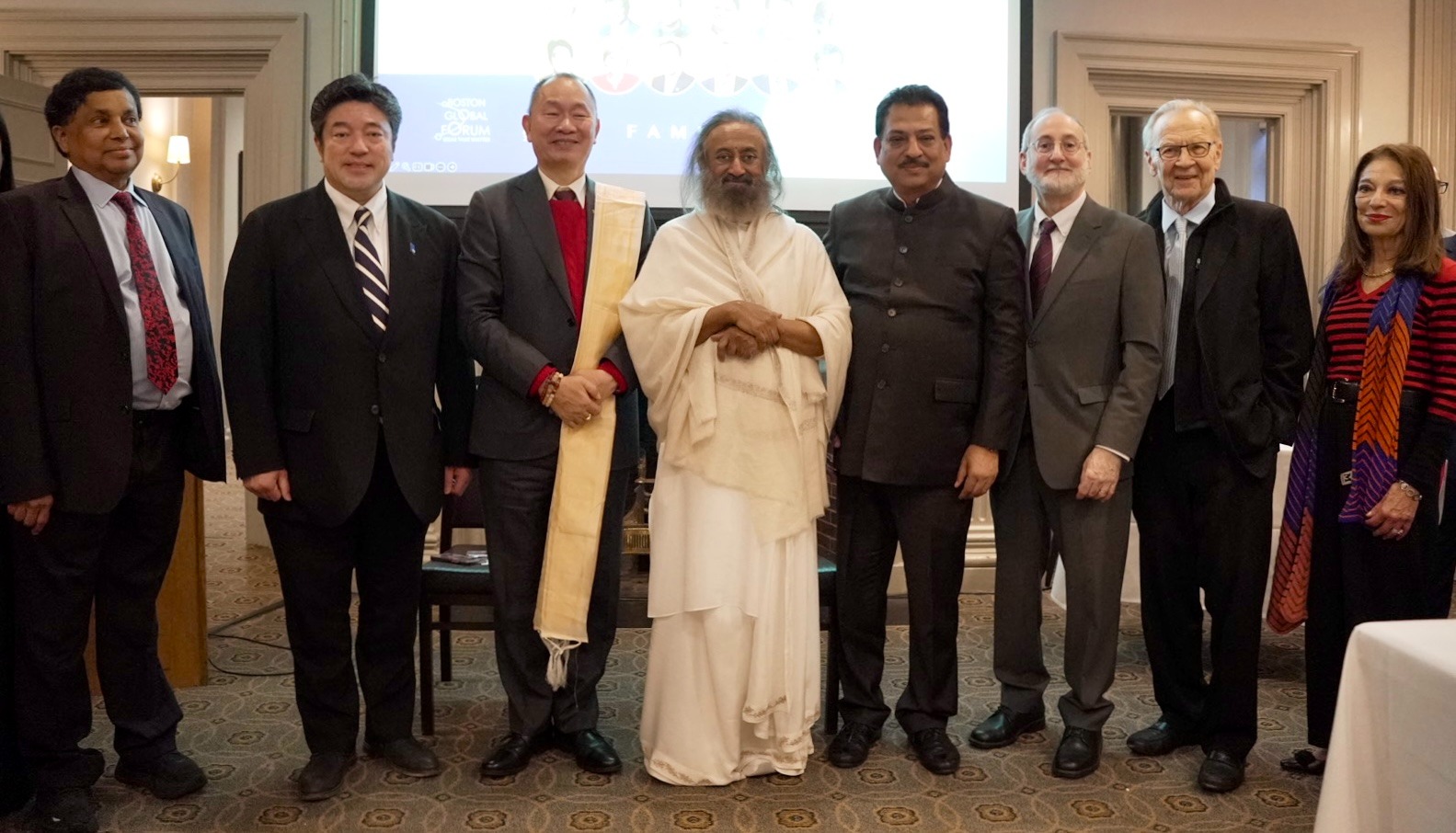
by Opinion Express / 04 November 2025On 3 November 2025 in Boston, Massachusetts, the Boston Global Forum (BGF) together with its initiative the AI World Society (AIWS) presented the 2025 World Leader for Peace and Security Award to Gurudev Sri Sri Ravi Shankar, recognising his lifetime of extraordinary contributions to global peace-building, reconciliation, and humanitarian leadership.
The award marks the tenth anniversary of this honour (2015–2025), which celebrates individuals who embody moral courage, visionary governance, and compassion in advancing global peace and ethical progress. Since its inception, past laureates have included the likes of Shinz? Abe (Japan) and Angela Merkel (Germany) in 2015; former UN Secretary-General Ban Ki?moon in 2016; Sauli Niinistö (Finland) in 2018; Volodymyr Zelenskyy and the people of Ukraine in 2022; and Emmanuel Macron (France) in 2024.
For India, this moment is especially significant — Gurudev Sri Sri Ravi Shankar’s recognition places the country’s spiritual and humanitarian leadership firmly alongside the world’s most respected statesmen and visionaries. It underscores India’s role as a “Vishwa Guru” on the global stage, affirming how ancient wisdom continues to inform contemporary ethics and governance.
BGF honoured him for his global leadership in peace and reconciliation, his humanitarian impact across 180 + countries, and his moral guidance in the age of artificial intelligence and digital transformation. The Forum described him as a “bridge-builder free from agenda or bias.” His interventions in conflict regions — from Colombia (where his involvement is credited with helping end a 52-year armed conflict between the FARC and the government) to Iraq, Sri Lanka, Myanmar, Venezuela, and Kashmir — exemplify his hands-on, compassionate approach.
In his acceptance remarks, Gurudev emphasised the need for embedding spirituality and peace education into global governance:
“Peace cannot come by words; it has to translate into action. We often say ‘peace and security’ in one breath. A lot is done for security, but very little attention is given to peace. Peace-building is essential. A moral and spiritual force is essential to quell the distrust and distress our societies face today. Let us dream of a stress-free, violence-free world — a society where peace, compassion, and creativity flourish.”
Through the Art of Living Foundation, founded in 1981, Gurudev has pioneered practical programmes such as the SKY Breath Meditation (Sudarshan Kriya) that heal trauma, reduce stress, and cultivate emotional resilience — the very foundations for sustainable peace. The Foundation’s work includes mediating peace processes in conflict zones, rehabilitating over 800,000 prisoners through meditation programmes, reviving more than 70 rivers and thousands of water-bodies via environmental projects, and providing free education and nutrition to more than 100,000 under-privileged children across 1,300 schools in India.
In praising him, Governors and co-founders of the BGF, such as Michael Dukakis and Nguyen Anh Tuan noted how his leadership transforms compassion into concrete action, and how his message of mindfulness and responsibility provides the ethical foundation for peace in a digital age.
To mark the tenth year of the Award, the Forum will launch new initiatives, including the “World Leader Spirit Symposium” and the “World Leader Spirit Concert,” with Gurudev serving as a guiding moral voice for interfaith dialogue and ethical leadership in the age of AI. During his recent North America tour, he was honoured by cities such as Vancouver, Seattle and Portland, with official proclamations declaring “Gurudev Sri Sri Ravi Shankar Day” and large gatherings of community leaders, students and families for shared meditation and reflection.
This award stands as yet another milestone in Gurudev’s remarkable journey — a testament to how inner peace, compassionate action and inter-faith dialogue can bridge divides, even as the world races forward with artificial intelligence and technological transformation.
Sardar Patel: The iron man who forged a united India
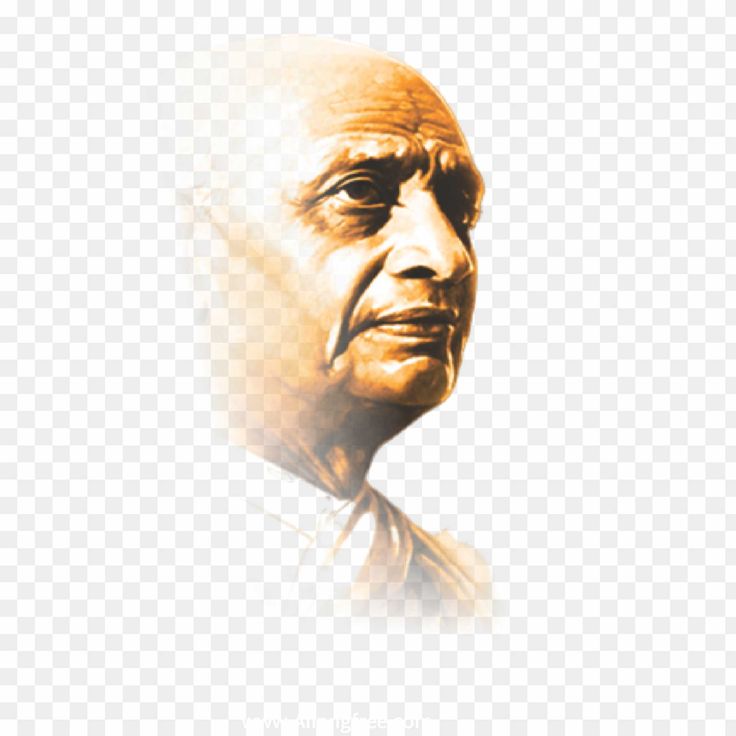
by ANOOP BOSE / 31 October 2025Today, India and the world will be celebrating the 150th birth anniversary of Bharat Ratna Sardar Vallabhbhai Jhaverbhai Patel, the first Deputy Prime Minister and Home Minister of independent India. Patel, the monumental lawyer, philosopher, scholar, statesman and political leader, universally known as the “Iron Man of India” or “Bismarck of India”, was born on 31 October 1875 in Nadiad, Gujarat, famous for the iconic Shri Swaminarayan Temple built in 1824.
He passed his Matriculation examination from the Nadiad High School in 1897 at the age of 22. As Patel had neither the money nor the time to spend on a proper legal education in a law college, he opted for a shortcut route to become a District Pleader. Patel stayed away from his family, studying tirelessly on his own with books borrowed from his lawyer friends and attending privately conducted Gokhale law classes.
He passed the District Pleader’s Examination within two years with flying colours. He joined the Bar in 1900 at Godhra and proudly displayed a nameplate reading “Vallabhbhai J Patel, District Pleader, Godhra”. Within an incredibly short time, Patel earned an enviable reputation as a firebrand and skilled lawyer who sent cold shivers down the spines of the police prosecution.
In 1902, Patel shifted to Borsad. When he found a British Sub-Judge holding court without wearing his gown, he declared fearlessly, “As the Hon’ble Judge is not properly dressed, this seems to be no court!” The judge instantly apologised. In another historic case, Patel proved that the liquor inside bottles seized from his bootlegger client had turned into “water”.
Ravji Patel, a freedom fighter and contemporary of Patel, chronicled the rare legal skills of Patel in his Gujarati book Hind na Sardar or India’s Chief. When Patel had saved money to go to England, the envelope containing his passport arrived in the name of “VJ Patel” at his brother Vithalbhai’s residence. As a devout Hindu, Patel bowed down to his brother’s wishes and let him go instead, even financing his brother’s education. Towards the fag end of 1908, Patel’s wife, Jhaverba, was admitted to the Cama Hospital in Mumbai for a major operation. Despite the doctors’ best efforts, she passed away on January 11, 1909.
At the moment of her death, Patel was cross-examining a key witness in court. On being handed the telegram announcing her demise, Patel quietly read it, folded it, put it in his pocket and continued his cross-examination until the witness broke down and Patel won the case.
Such was his unshakeable sense of commitment to his clients and his dedication to the legal process. In July 1910, at the age of 36, Patel sailed for England. Two months after his arrival, he enrolled at the Middle Temple Inn in London, where Mahatma Gandhi had also studied. It was a coincidence that Nehru, younger than Patel by 14 years, joined the Inner Temple Inn in the same year, though they never met.
Patel studied relentlessly for 11 hours every day and passed his Bar-at-Law examinations on June 7, 1912, obtaining a First Class First that earned him the coveted prize of £50. On January 27, 1913, he was called to the Bar in the majestic Middle Temple Hall. Returning to India on February 13, 1913, Patel settled in Ahmedabad and rose to become one of the city’s most sought-after barristers.
According to his biographer, Narhari D Parikh, he exhibited “a thorough mastery of facts, proper and correct estimate of the opponent’s points and line of attack, and a carefully planned defence and attack.”
During 1913-1917, Patel earned a phenomenal monthly income of INR 40,000. In 1915, Patel came into contact with Gandhi at the Gujarat Political Conference in Godhra and became Secretary of the Gujarat Sabha. Patel fought against the draconian veth or “unpaid service” and led relief operations during a plague in famine-struck Kheda. When Gandhi called for a leader for the Kheda Movement, Patel volunteered without hesitation, throwing his lucrative legal career to the wind. Patel threw all his weight behind Gandhi’s Non-Cooperation Movement, recruiting more than 300,000 volunteers and raising over `1.5 million. He publicly burned his English clothes, adopted khadi, and fought against alcoholism, untouchability, and casteism.
Upon the failure of the Round Table Conference in London, Gandhi and Patel were arrested in January 1932 and imprisoned in the Yeravda Central Jail. During their incarceration, Patel and Gandhi grew extremely close, developing an indestructible bond of affection, respect, trust and frankness akin to that between Ramakrishna Paramahansa and Swami Vivekananda.
Patel’s Herculean contribution to the freedom struggle and the unification of India remains unparalleled. In his last Independence Day message, Patel confessed with immense humility, “Looking back at the broad sweep of events since we became free, my predominant feeling is one of thankfulness and relief.”
On December 15, 1950, at 9.37 am, Patel breathed his last after a massive cardiac arrest within the Birla House in Mumbai. Within an hour, Prime Minister Pandit Jawaharlal Nehru paid a moving tribute in Parliament: “He will be remembered as a great captain of our forces in the struggle for freedom and as one who gave us sound advice in times of trouble as well as in moments of victory, as a friend and colleague on whom one could invariably rely, as a tower of strength which revived wavering hearts.”
Patel’s cremation was held at Sonapur (now Marine Lines), where his wife and brother had been cremated earlier. Over one million mourners, including President Dr Rajendra Prasad, Nehru and Governor-General C Rajagopalachari, attended. On December 16, 1950, more than 1,500 officers of India’s civil and police services gathered at Patel’s residence at 1, Aurangzeb Road (now Dr APJ Abdul Kalam Road) in Delhi to pay their last respects to their “Patron Saint” and pledged “complete loyalty and unremitting zeal” to the service of India.
When Patel passed away, he left behind only INR 300 in his bank, four sets of clothes, two pairs of slippers, one spectacle case with a broken handle tied with a string, one charkha, one steel trunk, two tiffin boxes and an aluminium lota. Those were his only worldly possessions. Patel is no more in our midst, but like those long-extinguished stars whose fires still give us light, his fragrant memory will remain long and solid in our hearts, minds and souls, and will continue to inspire generations of Indians to come.
The writer is an internationally reputed senior lawyer practising in the Supreme Court of India
Travelling Wisely to Cultural Festivals
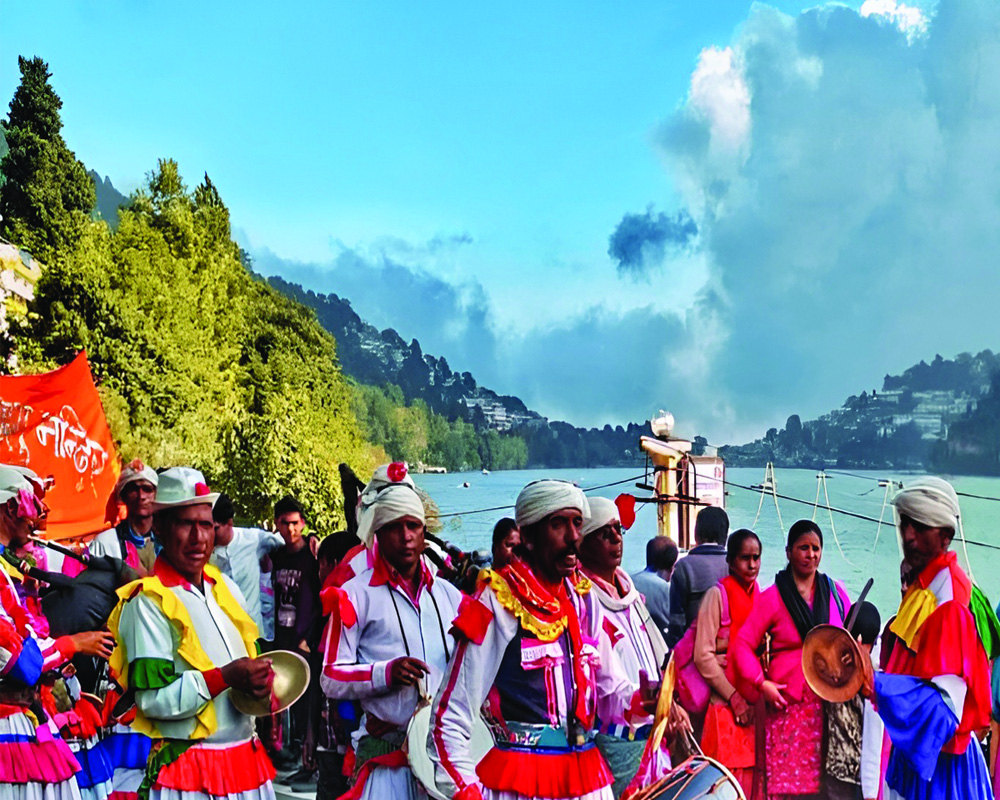
by SAKSHI PRIYA / 13 August 2025Strangers become interlaced, bound by the shared beat of a collective moment. Within the sensory medley of a festival, somewhere between the fragrant haze of incense and the jubilant clamour of performers, lies the true essence of human connection, accessible only to those who approach with both a discerning curiosity and a deep sense of respect.
Festivals serve as dynamic, living archives of a community’s history, artistry, and identity. Their influence on modern travel has grown exponentially. The FICCI-KPMG Indian Travel Trends Report 2023 emphasises this shift, revealing that over one in three Indian millennials and Gen Z travellers now calibrate their itineraries around cultural or entertainment events. This data reflects a global movement away from passive tourism toward immersive, participatory experiences.
Understanding a festival’s origins and symbolism prevents missteps and deepens the experience. Modest attire or traditional colours signal respect for local norms. Photography, while tempting, must be approached consciously —seeking consent, especially during sacred rituals. Sacred spaces require removing footwear, maintaining silence, and following customs. The strongest connections come through authentic participation; tasting heirloom recipes, joining a communal dance, or learning a craft from a local artisan.
Supporting artisans and small vendors ensures the benefits remain within the community. Approached with knowledge, respect, and openness, a festival becomes a shared experience that enriches both visitor and host long after the celebration ends.
Cultural festivals embody living heritage and collective memory. Immersive participation, guided by cultural sensitivity and ethical mindfulness — cultivates keen empathy and lasting connections, transforming travellers from observers into respectful guests. Such journeys enrich both visitor and host, advancing sustainable preservation of traditions amid modernity’s flux.
Courtesy - The Pioneer

Ecuador and India: Celebrating 56 Years of Friendship and a New Era of Strategic Partnership
by Fernando Xavier Bucheli Vargas / 08 August 2025On August 10th, Ecuador commemorates a defining moment in its history, the day our country began its path toward independence and nationhood. It is a day to honor the values that have shaped Ecuador: freedom, dignity, peace, and the unwavering commitment to international cooperation.
This year, as we mark 56 years of diplomatic relations between Ecuador and India, we celebrate more than a number, we celebrate a relationship that is expanding in depth, vision, and human connection.
It is also, for me, a meaningful moment: I complete one year as Ambassador of Ecuador to India — a country I deeply admire for its cultural richness, its democratic vitality, and its global leadership in innovation, health, and sustainability. Over the past year, I have had the privilege of witnessing the warmth of Indian society and the enormous potential that exists between our two nations.
In recent interviews with Indian media, I have emphasized that Ecuador sees India not only as a strategic partner but as a country with whom we share a profound understanding of the global challenges and opportunities of our time.
“India’s civilizational depth and future-oriented dynamism make it a natural partner for Ecuador. We are working together to create new pathways for trade, education, innovation, and cultural exchange,” I noted in one such conversation.
Ecuador has been actively strengthening its presence in India through expanded trade links, tourism promotion, educational partnerships, and initiatives in technology, food security, pharmaceuticals, and clean energy.
India’s recent and historic decision to open its Embassy in Quito is a turning point in our bilateral relations. It reflects a growing political will to deepen cooperation with Latin America and signals a closer connection with Ecuador in particular.
At the same time, the sixth round of Political Consultations between our two countries, scheduled to take place this year in New Delhi, will serve as an important opportunity to align our shared priorities and open new doors for collaboration.
Under the leadership of President Daniel Noboa, Ecuador is pursuing an agenda of institutional modernization, economic diversification, and international openness. In this context, India is a vital partner especially in sectors such as renewable energy, digital transformation, agriculture, and biotechnology.
Ecuador offers Indian investors real opportunities supported by a dollarized economy, legal predictability, and strategic access to the Pacific and Latin American markets. Investment prospects in agro-industry, infrastructure, mining, and clean energy are increasingly attractive, and we welcome Indian companies seeking to expand their global footprint.
One of our most iconic contributions to the world is Ecuadorian cacao, recognized internationally for its fine aroma and quality. Recent scientific findings place its origin in Ecuador over 5,000 years ago. Through our Trade Office in Mumbai, we are promoting our chocolate as a premium, sustainable product with deep cultural roots, perfectly suited to India’s refined tastes and evolving consumer landscape.
We are also investing in tourism promotion, offering Indian travelers a boutique and transformative destination — from the Galápagos Islands to the Andes Mountains, the Amazon rainforest, and the Pacific coast. Ecuador is a place of biodiversity, heritage, and wellness, and our e-visa system makes the journey smoother and more accessible for Indian visitors.
Beyond trade and tourism, we continue to build lasting ties through education and culture. We are expanding academic mobility, fostering university partnerships, and encouraging collaboration in science, innovation, and the creative industries. These people-to-people connections form the human foundation of our diplomatic engagement.
In this spirit of mutual respect and solidarity, I also wish to express Ecuador’s deep condolences and support for the people of India following the recent terrorist attacks. Ecuador stands firmly with India in condemning all forms of terrorism and reaffirms its commitment to peace, dialogue, and the protection of human life.
As I shared during Ecuador’s National Day celebration in New Delhi:
“Though our countries may be far apart on the map, we are close in spirit, united by a respect for diversity, for nature, and inclusive development. As Ambassador, I am committed to nurturing this relationship with transparency, determination, and warmth.”
This anniversary is more than a diplomatic tradition. It is an opportunity to look ahead to imagine a future of shared progress, cooperation, and goodwill between Ecuador and India. Let us build that future together.
Viva Ecuador! ¡Viva India!
Long live Ecuador–India friendship.
By H.E. Mr. Fernando Xavier Bucheli Vargas, Ambassador of Ecuador to India
FREE Download
OPINION EXPRESS MAGAZINE
Offer of the Month