



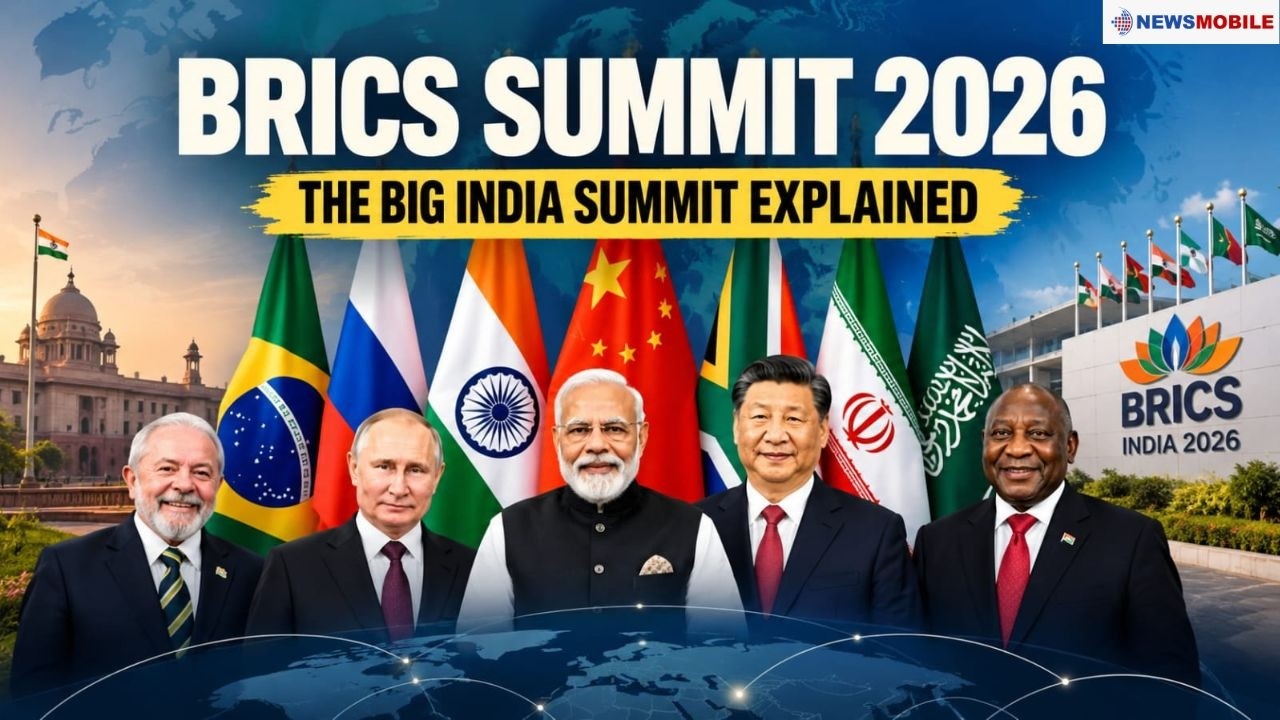
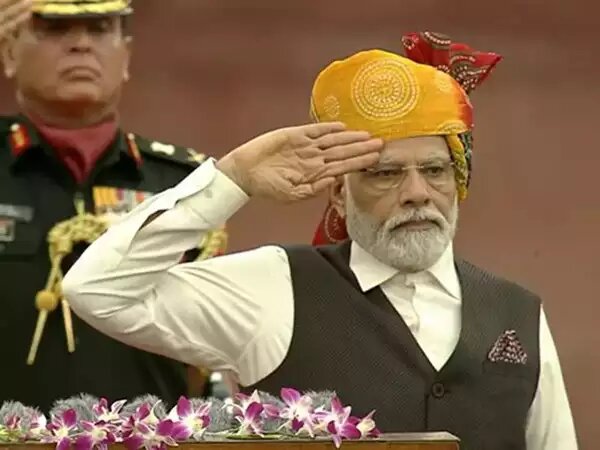
New Delhi: Prime Minister Narendra Modi on Sunday warned BRICS leaders that the growing weaponisation of technology and critical minerals poses a serious threat to global stability and could undermine the economic and developmental gains achieved by nations over decades.
Addressing the second day of the BRICS Summit in New Delhi in the presence of Chinese President Xi Jinping, Russian President Vladimir Putin and other world leaders, Modi said the interconnected nature of the global economy meant that geopolitical crises could no longer be treated as isolated regional developments.
“The world is witnessing increasing tensions, having a significant negative impact on the lives of ordinary people,” Modi said, pointing to pandemics, climate disasters and disruptions in global supply chains as examples of how crises in one part of the world can rapidly affect countries far beyond their immediate geographical boundaries.
His warning assumes particular significance at a time when geopolitical rivalries are increasingly spilling over into trade, technology, energy and access to strategic resources. Critical minerals such as lithium, cobalt, nickel and rare earth elements have become essential to electric vehicles, renewable energy, semiconductors, defence systems and advanced manufacturing. Their concentration in a limited number of countries has created new vulnerabilities for the global economy.
Modi cautioned that the use of technology and critical minerals as instruments of geopolitical pressure could reverse the benefits of globalisation and shared economic progress. For developing economies, which depend heavily on predictable access to energy, technology, capital and raw materials, such disruptions can have particularly damaging consequences.
The Prime Minister said BRICS must therefore focus on building greater resilience within the grouping while developing mechanisms capable of identifying emerging threats before they become full-scale crises.
“It is equally essential to identify challenges in a timely manner, remain prepared for them and take immediate action,” he said.
The emphasis on resilience has also been reflected in India's efforts to strengthen cooperation among BRICS members in areas extending beyond conventional diplomacy and trade. One of the significant outcomes highlighted by Modi was the consensus on establishing a BRICS Integrated Early Warning System for the prevention of and response to infectious diseases.
Guidelines for an early-warning data integration mechanism have already been prepared, he said, underlining the importance of collective preparedness after the devastating experience of the Covid-19 pandemic.
The pandemic demonstrated how quickly a health emergency can become an economic and geopolitical crisis. Production was disrupted, international travel collapsed, supply chains were strained and millions of people across the world were affected. The experience reinforced the argument that national resilience alone is insufficient in an interconnected global economy.
Modi said India's BRICS presidency had concentrated on four broad pillars — resilience, innovation, cooperation and sustainability. The objective, he said, was to convert the shared aspirations of member countries into practical outcomes that could benefit all participants.
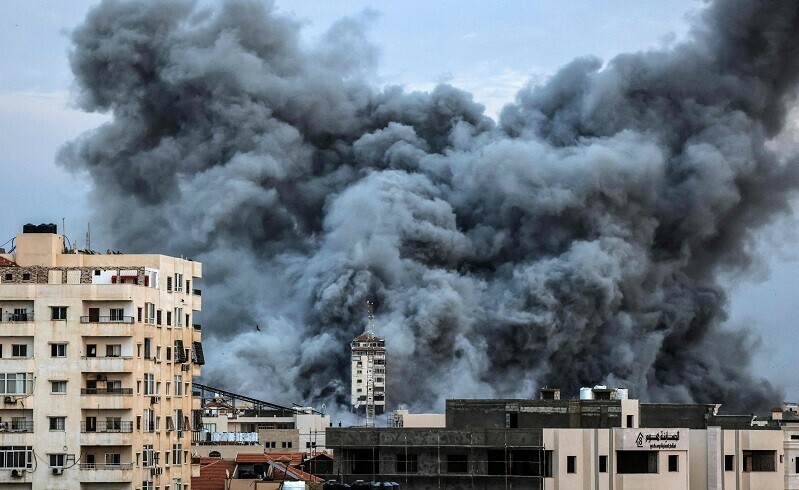
The summit is taking place against a backdrop of mounting geopolitical tensions, including the continuing conflict in West Asia and disruptions to global energy and shipping networks. The strategic importance of the Strait of Hormuz has once again highlighted the vulnerability of international commerce to regional conflicts, with any prolonged disruption having consequences for energy-importing economies across Asia and beyond.
The BRICS New Delhi Declaration adopted on Saturday expressed deep concern over the continuing escalation of tensions in the Middle East and called for maximum restraint. It also urged nations to avoid actions that could further aggravate the situation.
On the Israel-Palestine conflict, BRICS reaffirmed support for a lasting two-state solution and called for stronger international institutional support for Palestine. The declaration also reaffirmed Israel's legal obligation to ensure humanitarian assistance reaches civilians in Gaza.
Economic protectionism emerged as another major concern. The declaration called for an end to unilateral economic sanctions and expressed concern over the growing use of protectionist measures. It warned that arbitrary tariff increases and trade barriers imposed in the name of environmental objectives could disrupt global supply chains and disproportionately hurt emerging economies.
The message from New Delhi was therefore broader than a call for greater cooperation among BRICS members. It was an argument for a more resilient and balanced international economic order in which technology, energy, minerals and trade are not routinely converted into instruments of political coercion.
With China, Russia, Iran, India and several other major emerging economies represented at the summit, BRICS increasingly provides a platform where the developing world can articulate its concerns over an international system undergoing profound transformation.
Modi's warning reflects the central challenge before the grouping: whether BRICS can move beyond declarations and build practical mechanisms that protect members from future shocks.
The leaders also posed for a group photograph at Bharat Mandapam before beginning a series of bilateral engagements. Modi was scheduled to meet leaders from several countries, including South Africa, Kazakhstan, the Philippines, Egypt, Burundi, Uganda and Nigeria.
For India, the larger objective remains clear — BRICS must become not merely a forum for discussing global crises, but a mechanism for building collective resilience against them. In an increasingly fragmented world, safeguarding technology, critical minerals, energy supplies and supply chains may prove as important as safeguarding borders.
 OpinionExpress.In







Comments (0)