Friday, April 26, 2024
…

News Destination For The Global Indian Community


News Destination For The Global Indian Community
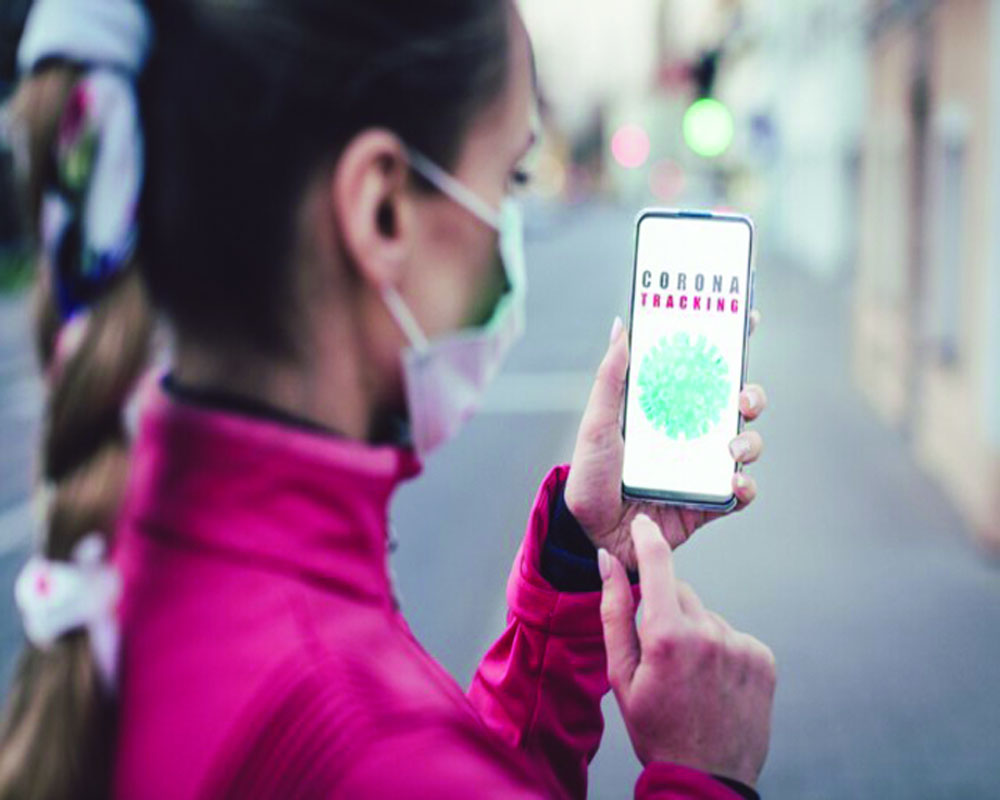
Contact tracing is the process in public health – War on Covid-19
by Indranil De / 03 June 2020Not being able to establish the source of a disease is not surprising, especially in a country where people are divided by gender norms and socio-economic classes
The recent revelation made through a research paper published by William Joe in the Journal of Global Health Science raises alerts about the deficiencies of tracing Coronavirus victims in a divided society. The paper states that as of May, COVID-19 cases in men were at 66 per cent in India as compared to 34 per cent in women. However, the COVID-19 Case Fatality Rate (CFR) is 2.9 per cent for men and 3.9 per cent for women in the country. Interestingly, this is completely different from the worldwide scenario. According to UK Research and Innovation, a quasi-autonomous NGO, data from 18 countries evince that both men and women have an equal share of COVID-19 cases, except for Pakistan. Furthermore, men diagnosed with COVID-19 are more likely to die than women. These comparisons raise questions whether we are tracing and testing all social groups adequately. Women generally have a stronger immune system than men. However, there could be different social factors which impact women both favourably and adversely. Since, in a patriarchal social system women don’t venture out of the home as much as men, they are also less likely to get infected. This may be the reason why in India and Pakistan more men are found to be infected than women. On the other hand, as patriarchal norms consider the male as the primary agent for productive activity, women are often ignored at home and society at large. This deprivation may reduce their access to healthcare as compared to men. They would not be given medical care unless seriously ill. This could increase their fatality rate as compared to men in India. Nevertheless, there could be another reason for the higher CFR in women. Maybe the actual number of women infected is much higher than what is being reported. If the number of infected women would have been higher, then the death rate of women due to COVID-19 would have decreased because they would have been treated. There is a major possibility that identification of infected women may not be happening due to inefficient functioning of the contact tracing mechanism.
Contact tracing is the process in public health through which the people who may have come into contact with an infected person are identified. Through the contact tracing process, the first set of people that the patient came into contact with are identified as the primary contact. Similarly, the first set of people that the primary contacts come into contact with are identified as secondary contacts. Through tracing of the primary and secondary contacts of suspected and confirmed cases, it is possible to track the spread and source of infection. According to the US-based Centers for Disease Control and Prevention (CDC), the symptoms of Coronavirus infection may be as simple as fatigue, diarrhoea and nausea. It is important to start contact tracing without waiting for the test results.
Researchers at Johns Hopkins found that the chances of getting false negative results are higher in the early stages of the infection. Hence, a negative test does not guarantee that the person is not infected. And they are still able to spread the virus. Improper contact tracing may be the reason that in India there were many cases where it was not possible to find the source of the infection.
The Health Ministry is emphasising on the need for aggressive contact testing. According to the Indian Council of Medical Research (ICMR), there is a wide variation among the States with regard to the number of contacts traced. It ranges from less than 25 to more than 75 per infected COVID-19 case. The infected patients are in general reluctant to reveal their contacts or the authorities are not nudging them enough to provide their contacts. Even a State like Karnataka, which has been canvassed as a successful State for contact tracing, is increasingly finding infections from unknown sources. This is increasing the spread of the infection due to delayed detection.
To be honest, not being able to establish the source of a disease is not surprising, especially in a country where people are divided by gender norms and socio-economic classes. These deficiencies are akin to the problems of the respondent-driven sampling (RDS) method of data collection. RDS is applied when the population is “hidden.” A hidden population may include people at the risk of contracting HIV or a group of injected drug users. The population may remain hidden due to privacy concerns and is rarely found among the general population. This is very similar to suspected Coronavirus infected persons. People may not be willing to get identified in public due to privacy concerns and the fear of adverse social repercussions. The number of COVID-19 infected until now is minuscule as compared to the population of the country. RDS assumes that the best way to access the hidden population is through their own peers. The initial sample individual is asked about the contact of their peers and thus contact tracing leads to revelation of the hidden population.
Three major deficiencies in this method of sampling are pertinent in the context of detection of Coronavirus infected persons. They are the problems of non-cooperative referrals, masking and inbreeding. The infected individual may not get the exact contacts of the people they have interacted with. The infected individual may attempt to mask the contacts as there are privacy concerns. They may avoid mentioning their close relative or loved ones with whom they have come in close contact. Furthermore, in a society divided by gender norms and socio-economic classes, people may select contacts primarily from the same gender and socio-economic class. A street vendor or bus conductor, if infected, may not be able to provide contacts of customers as they would refuse to share their contacts. A security guard would not be able to provide contacts of the people s/he interacted with. Moreover, all of them would be extremely uncomfortable in sharing contacts of people they are dependent on for their livelihood. They may only share contacts of people belonging to a similar socio-economic class as theirs and that, too, of the same gender. The men would hesitate to share the contacts of female family members or co-workers and vice versa.
In the RDS system of data collection the problem of masking is resolved though providing incentives to divulge the contacts of peers. In the fight against the Coronavirus, offering incentives to unmask the hidden population may be financially challenging. There could be two mechanisms through which it can be tackled. People should be made aware of the benefits of disclosing their contacts through public campaigns. As a result, those infected would be comfortable in revealing their contacts and the contacted individuals themselves would not be upset over being identified. It would rather come out as an incentive for those infected to get their near and dear ones examined and also an incentive for the contacts to get tested on time. Thus, the problem of non-cooperation of the referrals may also be resolved to a large extent. Maintaining the contact details of people in close contact may be made mandatory by local authorities in shopping complexes and other public spaces. Contact verification may become necessary if individuals provide wrong information. Deliberate sharing of wrong contacts may be penalised as well.
The problem of inbreeding may be resolved though conducting the contact tracing exercise over several rounds. For example, if an infected woman provides the contact of one man along with five women contacts, then to overcome the inbreeding problem, the man’s contacts may be traced further assiduously. This is very similar to tracing the secondary and tertiary contacts but with an emphasis on tracing the odd ones in the whole contact list. Similarly, tracing people from a different socio-economic background as compared to the majority of the contact list should be given adequate attention. At present, the disaggregated data on primary and secondary contact tracing is not available in most of the States. Douglas Heckathorn, a social scientist from Cornell University who perfected the RDS methodology, suggested three to five waves of contact tracing to get rid of the problem of inbreeding.
Contact tracing is a more efficient methodology than random testing given the rarity of the infection in the population till date. Contact tracing, on the one hand, economises testing facilities and on the other hand, identifies the hidden population infected with the virus. The more the delay in reaching suspected individuals, the higher is the future burden of economic and social cost. Hence, non-cooperation of referrals should be dealt with through public campaigns. The danger of the contact tracing mechanism is that if masking and inbreeding are not dealt with adequately, then we would end up tracing and testing only one kind of a population. The initial sample would determine the prospective samples, unless infected ones are sensitised about the importance of unmasking the contacts and contact tracing is done for few rounds down the line of contact trail.
Only increasing the number of contacts traced per infected or suspected individual is not the solution. It must be done over a few waves and must adequately cover all categories of people. If not done properly, the outbreak of the disease would be lurking in some other corner of society, only to take us by surprise later.
(Writer: Indranil De; Courtesy: The Pioneer)

Women warriors
by Opinion Express / 13 May 2020<!-- wp:image {"align":"center","id":23731,"sizeSlug":"large"} -->
<!-- /wp:paragraph --><!-- wp:paragraph -->
India has undoubtedly woken up to the spirit of humanity as evidenced by an entire civil army of Corona warriors, who are helping the medical fraternity and administration rein in the spiral. What is unprecedented, though, is the extent of participation of women around the country in the fight against the virus. First at the frontline are nurses and care givers, who are separated from their families while handling the epidemic, contracting the infection and yet discharging their duties. Then there are three women constables from Delhi’s Greater Kailash Police station, who are working tirelessly with a sewing machine to stitch cloth masks for the poor who are unable to afford them. Not only are they stitching them, they are sanitising the finished products by soaking them in a solution of water and sodium hypochlorite, before ironing them and distributing the masks to labourers and those living in slum clusters. Together, the trio of (s)heroes in uniform has made and distributed around 200 masks. Some women volunteers in distant towns are donning protective suits to help the police enforce the lockdown and social distancing protocols. Everyone knows about Minal Bhosale, a virologist from Pune, who created the first Indian testing kit for the virus and gave birth to a daughter the day after she finished it. Internationally, too, the contribution of women in this fight against the virus is noteworthy. There are teams of women scientists who are working round-the-clock in the race for a vaccine. Rebecca Sirull was the first human to sign up for a vaccine trial. Turning oneself into a guinea pig needs some courage, more so if one has dependents. But Rebecca took that risk, ignoring side effects. In China’s Wuhan district, female medics shaved their heads so that they could perform better and in an efficient manner, preventing the spread of the virus which thrives in hair. These are just a few examples of courage and dedication.
<!-- /wp:paragraph --><!-- wp:paragraph -->
The lockdown has created a tougher situation for women working professionals. With the call for social distancing, families are now holed up together 24x7 and must attempt to carry on with their professional lives while assuming household duties as well. Women now have to work from home as well as work for their homes. With an inherent sexism still latent in many households, most women aren’t lucky enough to have progressive and supportive partners who would readily extend a helping hand and share the workload. In the medical community, too, women have turned out to be more resilient to the impact of the virus and research is showing that more men succumb to it than women because of their inherent immunity and strength. Time the world recognises that there is nothing called gendered roles anymore.
<!-- /wp:paragraph --><!-- wp:paragraph -->
(Courtesy: The Pioneer)
<!-- /wp:paragraph -->
Communication is key
by Abhishek Singh / 12 May 2020As we move to the critical stage where some activities have been allowed in Green and Orange Zones, there is a need for a strategy that helps us learn to live with the virus
The right communication strategy and leveraging technology is an important policy to deal with the COVID-19 pandemic. As we move ahead to the critical stage wherein certain activities have been allowed in Green and Orange Zones, there is a need for a communication strategy that helps drive behavioural change and ushers in an era whereby we can learn to live with the virus. This requires effective two-way communication between the citizens and the Government, which has been the core strength of MyGov till now. It has been the endeavour of MyGov to act as a bridge between citizens and the Government and ensure citizen participation and information dissemination on platforms that most people use.
When the pandemic began, it was realised that words and phrases like “quarantine”, “social distancing” and “lockdown” needed to be communicated well as most people didn’t know what these terms meant. Social distancing was an alien concept. Hence, epidemiologists and health experts came up with Dos and Don’ts for preventing the spread of the Coronavirus. Fake news and myth busters posed another challenge that MyGov had to deal with. We had all kinds of conspiracy theories being bandied about, ranging from a Wuhan laboratory experiment gone wrong to use of hot water and garlic to kill the virus. There was a need to bust these myths and focus on making interventions like the use of masks and washing hands properly for 20 seconds the norm. This was done with explanatory infographics and videos that helped explain all these in simple language.
Towards this objective, MyGov India, the citizen engagement platform of the Government launched several initiatives on its MyGov.in platform as also its dedicated COVID-19 page, corona.mygov.in to support the communication efforts of the Ministry of Health and Family Welfare. MyGov has a presence on almost all social media platforms that include not only the conventional ones like Facebook, Instagram, Twitter, YouTube, LinkedIn but for the COVID-19 campaign, MyGov is also using unconventional platforms like Telegram, TikTok, Helo, VMate and Likee, with an objective to reach out to all sections of people by leveraging all channels and platforms.
Content was created in multiple languages and also sign language to ensure that everyone became part of the communication process. Videos from reputed doctors were made to ensure clear and correct messaging. MyGov also launched its MyGov Saathi Chatbot that is available on WhatsApp & FB Messenger and is also available on https://mygov.in and https://self4society.mygov.in. MyGov Saathi is a mobile-enabled platform and uses a menu-driven approach, allowing users to select available options such as “Latest update on Coronavirus in India”, “State-level status”, “Useful alerts” and “Where to get help” to access information. It provides ready access to Covid-19 related resources such as latest updates, helplines, advisories from various Central and State Government departments as well as access to Self4Society initiatives, including donation and volunteering opportunities.
Another key feature of the campaign is the ability to ensure adherence to lockdown regulations which are among the strictest in the world and have contributed greatly in limiting the spread of the pandemic till now. This was made possible by the Prime Minister’s call for the “Janata (people’s) curfew”, cheering and clapping for healthcare professionals, the 9PM-9Minute lamp-lighting initiative, showering of petals on hospitals and so on. Some may not find any merit or value in these initiatives but when we did the sentiment analysis of the social media posts, it was found that a vast majority of people supported these measures.
We also launched the pledges around these campaigns — Janata Curfew Pledge, Stay Home, Stay Safe Pledge and Fight Against Corona — which saw the participation of lakhs of people. The Citizens’ Ideas and Suggestions page saw more than 1,00,000 suggestions coming from citizens. The Innovation Challenge for technological solutions launched on MyGov led to brilliant ideas and solutions — including those on contact tracing, which has now evolved into the Aarogya Setu app. The quiz on COVID-19 has seen almost 1,00,000 entries.
These initiatives help the people get involved and once they are engaged, they feel part of the overall solution to the pandemic. It has been a very important part of our communications strategy.
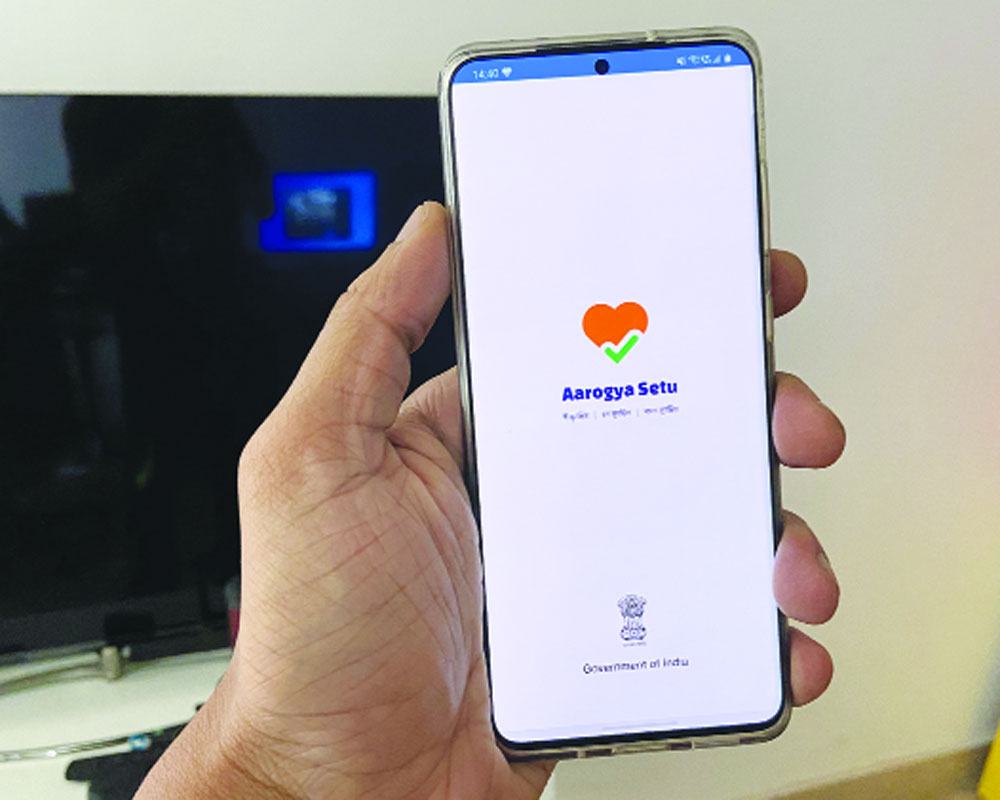
The launch of the Aarogya Setu app is an important part of the Coronavirus campaign. Given the questions raised by some with regard to privacy issues, it was essential to communicate clearly what the app does, why it is required and how privacy is built into the app by design. This was done by innovative use of graphics and videos. Even celebrities like Ajay Devgn helped in creating the #SetuMeraBodyguard campaign which was also endorsed by similar videos by regional language superstars like Nirahua in Bhojpuri and Anuj Sharma in Chhattisgarhi.
Top cricketers helped in the #TeamMaskForce campaign that promoted use of masks. Campaigns around these hashtags were launched on social media platforms that helped in getting user-generated content even in regional languages that contributed to carrying the message far and wide.
The lockdown instructions were a major challenge for us. The feedback was that many people were finding it difficult to interpret the directions and there was a lot of confusion on what to do. Immediately, MyGov demystified the directions and instructions by coming up with simple, easy to read and understand infographics which became very popular. These were also translated in various languages with the help and support of a volunteer group who did it pro bono.
With the lockdown, came the challenge of catering to the migrant labourers and there were a lot of issues regarding shelter homes and feeding centres for the poor and urban homeless. MyGov collaborated with Google Maps and Map My India and put details of shelters and feeding homes of around 750 cities on Maps so that they were easy to find and locate. Google also launched a messaging service for MyGov on Google Maps which has been integrated with the Saathi Chatbot to answer queries instantly.
When the Myth Busters infographic was released, it became viral and millions of people shared it. A suggestion was received to make it available in audio format. Accordingly, these, as also COVID-19 updates, were converted into audio podcasts as part of MyGov Samvaad. These podcasts were also shared with more than 200 Community Radio Stations who translated the content and helped expand the outreach of COVID-19 messaging. Further, it was felt that we also need to address anxiety and stress specially for people during the lockdown. So, an initiative called “Positive Harmonies” was launched in which prominent musicians from across the country created special numbers for MyGov along with their messages to help manage the crisis. This has become very popular. One key feature of all these endeavours has been that all of this was managed by our teams while working from home. Team members collaborated across cities and came up with brilliant innovations. We greatly benefitted from collaborations with top technology companies, media, volunteers and various Government departments. Innovation and collaboration seem to be our strength that has not only helped us in our communications but will ultimately help us tide over this crisis.
As India completes almost six weeks of the lockdown, one realises that some of the learnings from this crisis will help us in future, too. It is possible to work remotely and not everyone needs to commute daily for work. There are collaboration tools available that can help get output, that in some cases can be better than what is possible now. If employees save three hours of commute time, it will make them happier.
Other benefits will be lesser traffic and congestion, a smaller carbon footprint and we may be addressing issues of climate change, too. In the days to come, one expects that more and more companies will adopt this and it will greatly transform lives.
(Writer: Abhishek Singh; Courtesy: The Pioneer)

Keep health front and centre
by Simi mehta /Ritika gupta /Anshula mehta / 01 May 2020The Coronavirus has posed several challenges for expectant mothers and parents due to the closure of health clinics, OPDs and Anganwadi Centres providing vital healthcare services
Human health is a prerequisite for the economic health of a country. Unless the population is healthy, the economy of a nation cannot perform. This hypothesis has been validated by the outbreak of the Coronavirus which has led the world into an economic recession. In the light of this, the importance of mother and child health (MCH) cannot be overemphasised as pregnant women, infants and children are very susceptible to infections and diseases. The Coronavirus has posed several legitimate concerns and challenges for expectant mothers and parents due to the closure of doctors’ clinics, outpatient departments (OPDs) of hospitals and the Anganwadi Centres (AWCs) providing vital healthcare services.
So the question that arises is, how can beneficiaries access healthcare/welfare services during the pandemic? Pregnant and lactating mothers and children in both rural and urban areas have already begun to suffer. For instance, the Government order to the Anganwadi workers (AWWs), to home-deliver dry rations for children and mothers, has had problems in execution. The AWWs have complained about having to travel long distances on foot because of lack of personal/public vehicles and villagers threatening and in some cases even beating the women AWWs for violating the lockdown. Plus they have to bear an added financial burden as they have not been paid money to purchase rations for the last one year and have not been provided with protective gear to save themselves from the virus.
Another challenge that has emerged is the inability of the auxiliary nurse midwives (ANMs) and accredited social health activists (ASHA) to help pregnant mothers and infants get their vaccination as well as arrange transportation to the nearest health facility for delivery, while adhering to the service level benchmarking to combat the pandemic.
While we don’t know what the future will be once the lockdown ends, here are some solutions that the Government/States can consider to address MCH-related concerns during the times of Covid.
Harness the advantage of mobile phone and internet penetration to the remotest areas of the country for geo-tagging beneficiaries and for the provision of telemedicine, using location data, call data, and Health Management Information System (HMIS) database. In this situation, the health practitioner will only advise high-risk pregnancy cases like ante-partum hemorrhage (APH), gestational hypertension (PIH/GH), eclampsia and severe anaemia. To distinguish between severe and normal cases, the programme can be administered by machine learning and Artificial Intelligence.
With all the recent beneficiaries of the Janani Suraksha Yojana (JSY) and the Pradhan Mantri Matru Vandana Yojana (PMMVY) having been assigned Unique IDs, these should be used for direct benefit transfers (DBT) and nutritional assessment, screening of COVID-19 cases, triage referrals and referral to secondary-care hospitals.
As an emergency measure, pregnant women (especially migrant workers) travelling or in transit in the next few months and seeking institutional delivery can be imparted with the benefits of the Pradhan Mantri Jan Aarogya Yojana (PM-JAY) or Ayushman Bharat (AB) with the participation of the private sector.
Create a MCH dashboard in line with the Ayushman Bharat and PMMVY dashboard, to synchronise data, harness HMIS and Integrated Child Development Services (ICDS) database to show the facility closest to the pregnant mother for rapid welfare delivery and integration of immunisation services for home-based new-born care, so that all the essential immunisation vaccines can be given to the children below two years of age without any delay.
The dashboard can also track the whereabouts of pregnant women (of the region in focus) and put reminders on their cell phones and on that of their family members, which would provide regular information on the precautions they need to maintain and the ways to respond if they develop Coronavirus-like symptoms and so on. These can be integrated with the existing applications of the Government and must be triaged after primary screening.
Most women have monthly to weekly interactions with doctors/health practitioners during pregnancy for prenatal check-ups. But in the times of the pandemic this may go missing, so it is imperative to keep them informed via digital medium. For instance, the Kilkari application of the Haryana Government can be scaled up to include video messages for women that are specific to their stage of pregnancy. Frequent live conversations with doctors/health practitioners need to be arranged to reduce anxieties and negative psychological impacts due to the spread of COVID-19 and the lockdown in effect.
WhatsApp accounts must be set up where pregnant and lactating women are able to share their concerns and through audio and video messages. Volunteers can be roped in with the support of civil society and community networks.
Coordinators of Self-Help Groups (SHGs) in the villages must be identified to assist ASHA workers and ANMs in-home delivery of required medicines. While this would help in reducing the burden on the latter two, it would also help expand community cohesion. For this, the SHGs can be awarded certificates of appreciation that would strengthen their credit scores for availing any further loans from banks.
The Government has identified both private and public hospitals to take in Coronavirus patients in each district. The contact numbers of these hospitals should be publicised through every available medium so that the people use these when they develop COVID-19 symptoms.
Pregnant women, who become infected, should be treated with World Health Organisation-recommended supportive therapies in consultation with their obstetrician/gynaecologist. Pregnant women and health practitioners must be informed about these therapies without any delay.
It is also important to record all new cases of pregnancies due to the COVID-19 lockdown, so that Government prepares for an impending “Coronial generation” after nine months and also has a ready benchmark for future shutdowns based on the lessons learnt. The existing HMIS and ICDS data, though not very reliable, can still be low hanging fruits in this regard to utilise the Digital India architecture.
In the lockdown scenario, the Government must ensure that the duties of AWWs are notified as essential services if it does not want the health and nutrition security of women and children to be compromised. All pending payments due to the AWWs must be transferred to the relevant bank accounts without any further delays. It must be noted that the Budget 2020-21 has allocated Rs 28,600 crore for programmes that were specific to women. It is indeed a matter of concern that the reimbursement for the purchases made for preparing Mid-Day Meals for children at AWCs has not been released for over seven months in States like Jharkhand. With the present Budget outlay, there should be no financial excuse to withhold the payments due to the AWWs, and in fact, they must be paid a three-month advance honorarium to facilitate their work and ensure their safety.
Expanding health insurance coverage to women and children will increase their access to necessary health services more than other groups. Along with the maternal and child health programmes, this must be added with the existing public health and community services such as prenatal care, well-child care and enabling services such as case management, transportation and home visits.
The maternal healthcare services must include mental healthcare, contraceptive services and supplies; diagnosis and treatment of sexually transmitted diseases; prenatal, intrapartum, and postpartum care; regular breast and pelvic exams (including Pap tests), in accordance with well-recognised periodicity schedules; risk assessment; adequate education and counselling to support these interventions.
For infants and children up to five years, emphasis must be on preventive services, such as immunisation and the monitoring of physical and psychosocial growth and development, with attention to critical periods in which appropriate care is essential for sound development and progress.
A separate, more comprehensive midwifery training programme with service level benchmarking in India must be introduced on an urgent basis. Having well-trained and capable midwives would provide a better birthing experience for the mother and would reduce the burden on obstetricians.
Women’s SHGs should be roped in for better outcomes in ensuring the provision of take home rations. There should also be certain modifications and expansion in the type of food provided, varying regionally, to meet nutritional requirements. Planning of resources is a must to avoid misallocation and panic.
With the Coronavirus crisis expected to continue and peak in the next few months, it is imperative to urgently design and implement alternate solutions which ensure institutional deliveries, facilitate treatment to the pregnant mothers and their new-borns and address MCH needs in a timely and structured manner, simultaneously adhering to social distancing and isolation norms of the Government.
(Writer: simi mehta Ritika gupta Anshula mehta ; Courtesy: The Pioneer)
Some hiccups still
by Opinion Express / 24 April 2020All industrial units do not have the requisite capacity to meet the new standards for resuming production yet
India followed its own definitive path to tackle the menace of COVID-19, ordering the strictest 21-day nationwide lockdown first and then extending it further. In its first phase, the Government chose to save people’s lives over the economy. Yet, when it became distinctly clearer that the fight against the virus would be long-drawn, it became impossible for it to ignore livelihood issues and look for ways to get the economy started. So it allowed industrial units to run in non-hotspot areas but with a new set of caveats that is now causing more confusion than clarity. While these are early days yet and the Government has to work out sectoral codes to ensure low risk, social distancing and safety parameters, the first set of compliances seems to have put more pressure on unit owners, who have to now factor in a new overhead like safety costs. In the absence of substantial working capital from the Government, some of them are wary about opening their units because of low consumer demand, labour shortage and a poor chain of logistics. Now they are further spooked by media reports of the stringent norms that call for punitive action, to the extent of registration of an FIR, against owners found non-compliant by the slightest degree or even if one staffer was diagnosed with COVID-19, something that even a routine health check-up would not reveal at the time of re-employment. Though the Government sought to allay fears by making it clear that the provisions would be applicable only for offences “with consent, cognisance or negligence” on the part of the employers, uncertainty looms large. This is why the standard operating procedures (SOPs) issued by the Home Ministry following the partial lifting of the lockdown in several areas have drawn flak from several quarters.
Major worries are over the broad norms prescribed under the National Disaster Management Act (NDMA) that have been invoked for the first time on account of a force majeure event. First, the implementation of the Act itself will be problematic because the onus now lies with respective States to ensure adherence. As expected, without any clarification, various States have offered different interpretations on whether they should risk people’s lives by opening up the factories or keep them shut longer. Even when some have agreed, unanticipated gaps during implementation mean there has to be another review. Further, given the varied capacities of each State, it is only fair to expect a less-than-equal response from all. Other guidelines, too, appear illogical and are hard to implement at the ground level. New rules demand that workers be accommodated in the factory premises or be lodged in nearby areas so that they can be transported with ease while strictly maintaining social distancing norms. Given the previous set-up of industries, it will be impossible for them to lodge even a small group of workers. Further, the guidelines call upon the respective units to get their workers, who have fled to their hometowns, back to work. With trust deficit everywhere and in the absence of a Central assurance, employees may choose to remain in their villages. Assuming they come back, the resumption of work is dependent largely on the behavioural shift of workers — all of whom need to get accustomed to all sanitary guidelines. One lapse by them and the owner would get harassed. This is why we will need far more long-term and sustainable solutions going forward. At the moment, smaller units cannot get rolling without Government support. Half-baked rush can only spoil the gains made till now.
(Courtesy: The Pioneer)
Disaster waiting to strike
by Karan bhasin / 16 April 2020The number of confirmed COVID-19 cases in Nepal may be low but it is not due to precautions taken by the Govt but because of the low rate of testing
With the number of COVID-19 cases rising globally, India’s neighbour Nepal is also going through a critical phase in its fight against the pandemic. A country located next to China, the nation where the COVID-19 outbreak began, its immediate vulnerabilities lie in addressing the epidemic with an existing poor healthcare infrastructure and ensuring the safety of its people. The very first case of COVID-19 was reported on January 23 in Nepal. A student who had returned from Wuhan on January 9 was admitted to a hospital in Kathmandu. With no expertise and lab infrastructure to examine such cases then, the swab tests of the student were sent to Hong Kong and had confirmed the Nepal Government’s worst fears.
Loose end: Nepal’s first COVID-19 case had recovered in the second week of February. With no new cases reported until the third week of March, overzealous Government officials went on to declare Nepal a “COVID-19 free” country. While it was the time for the Government to deploy extra measures to prepare for the outbreak, declaring the country as “COVID-19 free” without any consultation with medical experts was indeed a short-sighted and irresponsible step. The Government was very clear that it did not wish to stop the arrival of tourists in Nepal because 2020 had been declared as a tourism year and the Government had spent a lot of time and money in making its ‘Visit Nepal 2020’ campaign a household initiative. However, in the end, with the appearance of the Coronavirus, Nepal had to suspend the campaign officially, even though till today it has a total of 16 confirmed cases and no reported deaths. In 2018, tourism had contributed more than seven per cent revenue to the Nepalese Gross Domestic Product (GDP), which was expected to double this year. With the suspension of tourism for this year, the economy will have to bear the brunt.
Logistic shortage: Compared to its neighbours India and China, which have reported a huge number of cases, Nepal has seen just 16 positive cases till now. The country has conducted a total of 6,299 tests, with a little over 80 people in isolation. Amid the ongoing lockdown, Nepal is facing an acute shortage of trained human resources, required healthcare infrastructure, including speciality hospitals, safety gear and testing kits. In several cases, healthcare staff have refused to attend to their duties due to lack of Personal Protective Equipment (PPE). In the present circumstances, testing is key to contain and control the spread of the epidemic. However, with just one specialised testing lab for COVID-19 cases in the capital city for a population of more than 29 million people, Nepal is wide open to any major surge in the pandemic. While nine more temporary testing labs have been established in the last 15 days, logistical support and their testing capacity are yet to be seen. Meanwhile, Nepal has requested several countries, including India, China, Singapore, South Korea and Israel to supply medical equipment and medicines needed to combat the disease.
Missing preparedness: Over the last two decades, the Government has not paid any heed to improving the quality and quantity of healthcare facilities in the country. Against this backdrop, Nepal has faced several emergencies such as the present outbreak. A decade-long civil war from 1996-2006 was followed by a major earthquake in 2015 which claimed over 20,000 lives and destroyed 1,500 health facilities, creating an immediate need for investing in the public healthcare system. Meanwhile, no lessons were learnt from these two important events and nothing was done to better the basic healthcare infrastructure. While conflict and natural calamities have both direct and indirect effects on people’s health and the overall health system in the immediate and post-shock phase, the missing healthcare infrastructure in Nepal is a matter of major concern, particularly in the present crisis.
India extends help: As Nepal awaits replies from other countries, India has begun to send new consignments of medical supplies, including the much-needed hydroxychloroquine sulphate. During an official conversation between Prime Minister Modi and his Nepalese counterpart on April 10, the two Prime Ministers agreed “to look after the welfare and medical care of the people of the two countries currently living in each other’s territory.”
The multi-dimensional friendly relations between India and Nepal are testimony to shared socio-cultural and people-to-people contacts that have stood the test of time and various disasters. The creation of the South Asian Association for Regional Cooperation (SAARC) COVID-19 Emergency Fund is a collective effort initiated by Prime Minister Narendra Modi to bring SAARC countries onboard to fight COVID-19. Nepal has actively participated in the initiative and the initiative shall work as an additional effective mechanism in Nepal’s fight against COVID-19.
China banks on the crisis: China, on the other hand, is banking on the ongoing crisis in Nepal. China’s online supply chain Alibaba along with the local administration of its Sichuan province have donated PPE and portable shelters to Nepal. However, a significant deal to a private Chinese company to procure equipment worth more than $10 million was cancelled amid criticism. The Government of Nepal faced criticism for defying the rules in granting the contract to a private company, which has been involved in supplying low-quality products in the past. Giving in to public pressure, the Ministry of Health and Population decided to annul the tender. At this critical juncture, it is the responsibility of the Government of Nepal to ensure that logistics are procured with caution, rather than appease China with multi-million-dollar deals. On April 10, the Tibet Autonomous Region also donated medical equipment to Nepal and China and Chinese officials conducted a “handing over ceremony.” With Nepal facing a critical shortage of supplies, Chinese assistance is not free from an attempt to win over public sentiments. Something that India needs to watch out for.
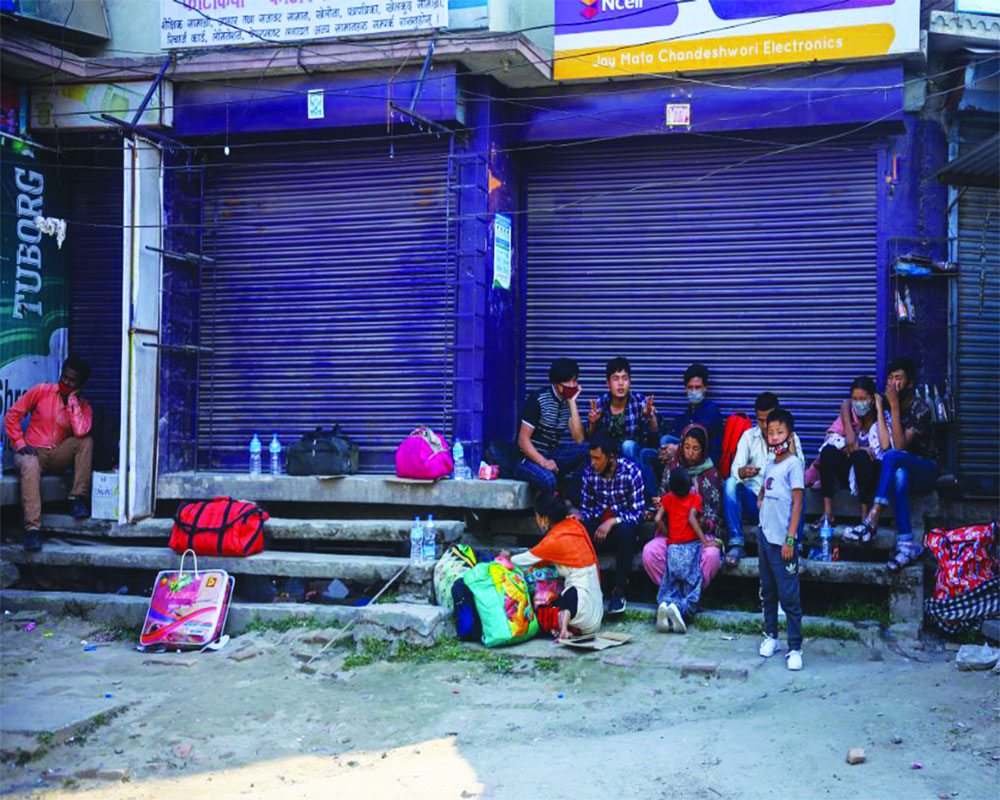
Poor governance: An acute shortage of medical equipment exhibits poor governance and the inability of the Government of Nepal to safeguard the interests of its citizens who have been a cardinal factor in sustaining the economy. Notably, one-fourth of Nepal’s GDP comes from the remittances sent home by the Nepalese workforce abroad. Following the initial fears of lockdowns in host countries, thousands of Nepalese migrant workers attempted to travel back to their home country. While the closure of international flights stopped millions of workers from returning to Nepal from the Middle-East, Malaysia and Australia, thousands of them are stuck at the Indo-Nepal border.
This is after they undertook long and arduous journeys through land routes to cross the border checkposts. With no quarantine wards and healthcare personnel deployed at the check-posts, these workers have been desperately waiting to get back to their homes.
By stopping the returnees at the border, Nepal might have chosen to contain the spread of the COVID-19 but it is a cruel, irresponsible and inadequate attitude towards its citizens. They have been left in the open without food, shelter and exposed to Coronavirus contamination due to lack of social distancing at several places. It was as late as April 10 that Nepalese Prime Minister KP Oli requested his Indian counterpart to look after the welfare and medical needs of those stuck at the Indo-Nepal border. As India does its bit to provide food and shelter to the suffering Nepalese workforce, the Government of Nepal should have had mechanisms in place in advance for its returning expatriates. It must have in all honesty anticipated the return of its people from the neighbouring nation given the long open border. That it chose not to do anything about it and let its people suffer knowingly is something that will always be remembered by the people of the little Himalayan nation.
The number of confirmed COVID-19 cases in Nepal may be low but it is not due to precautions taken by the Government. It is less because of the low rate of tests being carried out per day. On April 11, Nepal recorded the highest number of COVID-19 tests and the same day, three new cases were reported. For all we know, it might be the next hotspot of the world. But that will only be revealed once more testing is done.
It is time for the Government of Nepal to provide proper healthcare to its people to contain the spread of COVID-19 in the country. The present Government won a large public mandate in the 2017 elections due to Oli’s promises of a stable Government and improved economic conditions. However, poor governance, flawed economic policies and imbalanced foreign relations have endangered the lives of citizens.
(Writer: Karan bhasin; Courtesy: The Pioneer)
Our own safety net
by Opinion Express / 03 April 2020As we run against time in our battle to fight the virus, we need to scale up domestic manufacture of medical devices
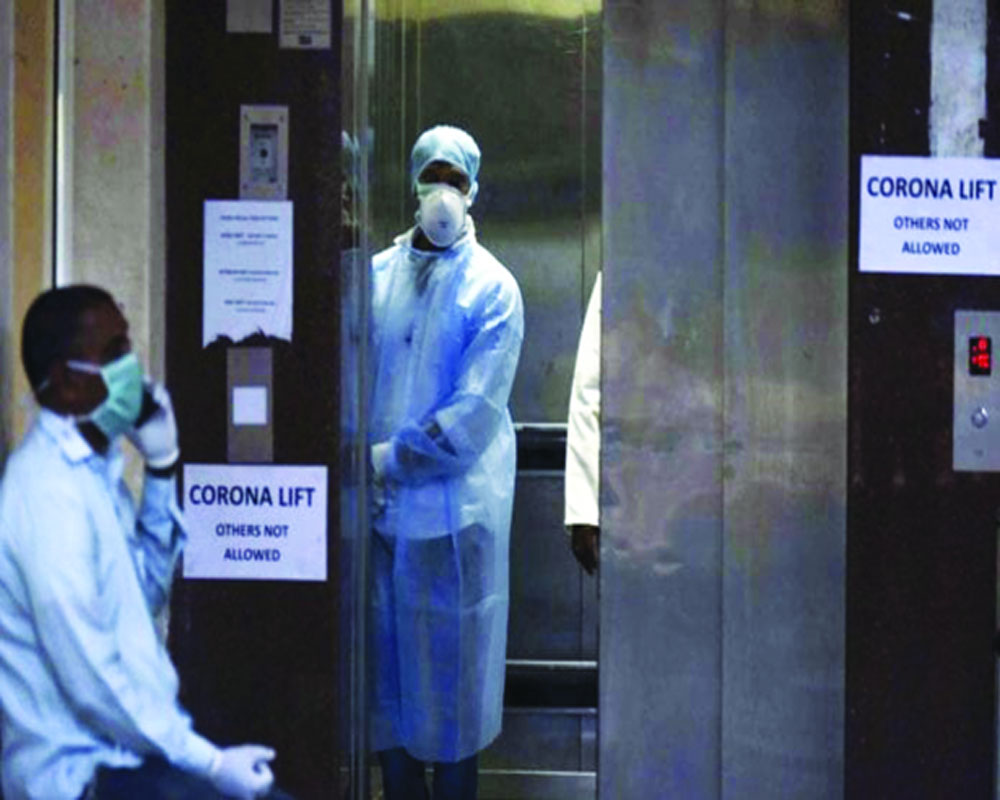
The Coronavirus spiral was inevitable but now that it is squeezing health infrastructure and medical care staff, we are battling a second front of the disease, when it attacks the preparedness. Doctors and care-givers from around the country have complained, even threatened to go on strike, because they do not have enough personal protective equipment (PPE), namely coveralls, gloves, goggles, masks and so on. There have been reports of frontline staff making use of raincoats and anything else that they can lay their hands on. The lockdown and the migration of labour have meant that even those manufacturing these essential gear are not being able to roll them out at breakneck speed. Though there is no dearth of Indian innovation — like the Pune virologist’s version of the test kits, IITs’ collective efforts to roll out apparatus or even car companies’ offer to make ventilators — the fact of the matter is these are all small-scale efforts. What is needed is a massive rollout, which, because of policy hurdles, delay in placing orders and over-dependence, like the West, on China for crucial components, has been halted badly. Even the contracts being handled by domestic companies are of a small to middling nature, with no capabilities to scale up output. It would be easy enough to attribute the scarcity to a global trend, arguing all countries battling the coronavirus are facing it as well. But we didn’t plan it as well with the Government ordering PPEs just before the lockdown. Safety wear would now need at least three weeks to be readied domestically, considering imports are not that reliable with most infected countries dependent on factory floors in China and Southeast Asia. China has just about emerged after the first wave of the virus and its manufacturing prowess is still not 100 per cent. The Government could also not have exported 90 tonnes of medical equipment and safety gear to Serbia at this time of a national emergency, confirmed by a tweet from the United Nations Development Programme (UNDP) though denied by the Health Ministry. Leave aside N95, even the triple layer surgical masks are not available for healthcare staff. There is also the issue of facilitating working capital for these units in the time of lockdown. As for chemicals and disinfectants, India has been dependent on China for critical intermediate goods and components. With so much dependence on China, particularly for raw materials, it is difficult to find easy replacements.
As we ride this unprecedented World War III, that literally came from nowhere and hit us before we could realise it, what should be the road looking ahead? Simply prioritise our health sector and go back to home-grown drug and health equipment manufacturing. They were there before but globalisation meant these units were sidelined and lost out on the cost advantage to cheaper imports. And now that the virus may spur the process of de-globalisation as it were, we need to begin with crucial sectors that impact national safety, health and well-being. Immediately after Wuhan, the Government drew up a list of 38 drug raw materials that it wants locally produced to end the country’s dependence on Chinese imports. Some of our key life-saving drugs, including those for cardio-vascular issues, use active pharmaceutical ingredients (APIs), which are solely sourced from China. Indian drugmakers import around 70 per cent of their total bulk drugs from China. Now there is no time for committees, policy or pondering. There is already a Make in India wishlist suggesting ways to make India one of the top five medical devices manufacturing hubs in the world. Most domestic manufacturers have in pre-crisis days shut their idling units and become importers and traders themselves. We have ignored an industry that could have helped us stave off this crisis. What else explains that though there are 1,000 domestic medical devices manufacturers, only 15 have a turnover of above Rs 200 crore and the rest are less than Rs 10 crore. If they are to scale up, then they need an enabling ecosystem, a level-playing field vis-a-vis imports and assured volumes. The last won’t be difficult given India’s huge market for healthcare, projected to be the fourth largest in Asia. Post-Corona, the demand is not expected to dip but rise. This way we can easily end our import dependence by 70-90 per cent. And be self-sufficient in the time of unforeseen crisis.
(Courtesy: The Pioneer)
Covid 19 – Going for broke
by Deepak Sinha / 23 March 2020In a country with our population density to claim that hundred per cent source identification or tracking is even feasible is akin to believing in Santa Claus
We are going through a time of uncertainty, fear and gloom, though stories of human resolve, courage and sheer determination do give us hope for the future. We live in unprecedented times of which we have no previous experience, little knowledge and even lesser understanding. There are none here who have survived either the Spanish flu pandemic of 1918 that killed 33 million people (including approximately six million from the sub-continent) or the Bengal famine of 1942 that killed 10 million. What is, however, absolutely clear is that we are in a global war against an unforgiving and unseen enemy who respects no borders, ethnicity, class, age, religion or caste.
If we are to beat this enemy, not just physically but psychologically, socially and economically as well, we have no choice but to work together as a global community and act with compassion, forbearance and courage not just in our own self-interest but for the community at large. It finally boils down to this, if we are to call ourselves civilised. Most importantly, the time for political posturing or playing games is way past. In war, as is often said, there is no place for the runners-up.
If the information available in the public domain is to be believed, the Government has done a sterling job in limiting infections and fatalities for now, through its rapid response. Unfortunately, the figures being bandied about are coming in for increasing scrutiny for a variety of reasons. The question of what is the policy governing testing and how many tests are being done is at the crux of the controversy.
As per information available in the public domain, the existing capacity to test for the virus is 500 per day, which is being ramped up in the coming days. Thus, at present only those coming from affected countries are being screened and if their condition seems doubtful, are being tested. Those cleared in screening are expected to undergo either supervised or self- quarantine before being allowed to mingle. Tests are also being done on those who may have fallen sick after coming in contact with someone returning from abroad. In addition, the Government has also done 800 tests as on date on random patients across the country who, are at present admitted in hospitals with acute respiratory disorders.
On the basis of these tests having turned up negative the Government insists that there have been no cases of community spread. Therein lies the rub, as many known positive cases, leave aside those who are asymptomatic, have deliberately escaped from quarantine, no doubt infecting those they may have subsequently come in contact with, who in turn will infect others, which is what community spread is all about. In a country with our population density to claim that hundred per cent source identification or tracking is even feasible is akin to believing in Santa Claus. Of course, there is the possibility that the Government is aware of the true picture and hiding it from the public to avoid any onset of panic.
If that be the motivation, the Government is making a huge error as most of us are well aware as to what is happening in different parts of the world. As a matter of fact, conservative studies on the subject suggest that actual cases are about ten times the numbers that have been identified and given that the cases are doubling every three days, the number of people infected will be 1,024 times the present number within a month as simple mathematics suggests. This in our context, with total identified cases as 169 as on March 19 that has increased by one-third along expected lines on the March 20 will, in all likelihood, range between 1.7 lakh and 17 lakh by April 19, depending on which figures we wish to believe, if we do not take further steps that are needed to halt the spread. From within these numbers, as seen elsewhere, 15 per cent will require Intensive Care Unit facilities and two-three per cent will not survive.
The problem with hierarchies and the bureaucracies that run them is that they abhor vacuums, as that condition requires them to assert themselves, avoid accountability for obvious reasons and can only think and act linearly given their long-standing ethos and organisational architecture. An emergency of this kind requires lateral thinking, taking of risks and forceful interventions, all of which fall in the realm of the political leadership that now needs to step forward, provide clear directions, impart the momentum required and most importantly, accept accountability. While Prime Minister Narendra Modi has certainly shown his interest in assuming a leadership role his known dependence on the bureaucracy is a distinct disadvantage at this time.
Thus we have adopted the bureaucratic playbook to tackle the issue. As a result our response has been bureaucratic, admittedly much quicker but still along plodding linear lines with each agency and department attempting to show how efficiently they are handling challenges that they face. Forget the “All of country” model that is absolutely necessary, we have not even been able to put an “All of Government” approach in place. This is best brought out by the Prime Minister’s address to the nation on March 19. It was a motivational talk with no substantive future course of action being announced, except for a voluntary one day national “Janta (public) curfew”, which probably will be a harbinger of tougher measures in the future. In all truth, the time for motivational talks is long past, what we now need is a general who will lead us into battle. Moreover, such an approach is unviable, because by the time we take the next step another week would have passed and numbers of those infected quadrupled, adding to avoidable stress on our healthcare system and to fatalities.
It is essential that our political leaders and the average citizen comprehend the nature of the beast that we are at war with and face facts that have either emerged from experiences elsewhere or are peculiar to our situation. First, there is no getting away from the fact that we have a population of 1.3 billion and the cost of testing and providing the necessary support facilities are humungous. Obviously, no Government, whatever its efficiency, can ever provide cover for all our citizens. Second, social distancing, which include forcible quarantine, despite its flaws, appears to have emerged as the only viable alternative for keeping the Coronavirus under check and in reducing the rate of infection, till a suitable remedy is found.
The world around us has completely changed and yet we seem to be living in a time warp, hoping to avoid having to face the dragon that has felled much of the world. Let us face reality and accept that in these circumstances there is no time for half measures. Imposition of Section 144 of the CrPC, as has been done in some places, or hoping to enhance testing facilities in the coming days, which in any case is unavoidable, are measures that are simply not enough and are just too little and too late. In military terms, we need to launch an immediate blitzkrieg and in fact, have little choice but to immediately adopt measures that the Chinese and Italians did only as a last resort.
It is essential that a nationwide curfew for a minimum of 14 days be declared soonest along with other measures such as reducing the frequency of mass transit systems, banning taxis and only permitting minimum essential personnel to move out of their homes.These measures must be strictly implemented by deploying the military, assisted by the Central Armed Police Forces (CAPF), on the streets. While these are harsh and desperate measures with dire economic implications, we have no option, as we will otherwise find ourselves overwhelmed with the possibility of serious social disruptions.
Undoubtedly, the biggest problem will be faced by those whose very livelihood is dependent on their daily earnings. As in any major natural disaster this would require the Government to provide the requisite relief to all those impacted at their place of residence. This in effect requires that the armed forces be fully mobilised and deployed and tasked for conducting internal security and humanitarian and relief operations.
Time is of the essence here and discussions and committees have little meaning now and in fact these measures needed to have been implemented yesterday.
To enable the military to mobilise and deploy would require a minimum of three-four days, in which time we must remember, the numbers of those infected would have doubled. Implementation of such measures with a warning period will also allow citizens to stock up on essentials. For those who believe that such drastic action is uncalled for, would do well to study the impact of a graduated response in countries like Italy, Spain, the United States and France. By going for broke, if nothing else, we would certainly avoid much of the stress that the healthcare infrastructure of those countries were put through, infrastructure that we are woefully short of and have little ability to scale up.
(Writer: Deepak Sinha; Courtesy: The Pioneer)
Indo-China row on Corona virus
by Opinion Express / 25 February 2020Beijing’s selective engagement with India on the Wuhan evacuations is plain confrontationist
Desperate times call for desperate measures and when a global crisis has a new name called Coronavirus with a hydra-headed manifestation, then politics should be the last concern between nations who must unitedly fight it. Unfortunately, China, which is filtering the extent of its health crisis lest it be construed as bad propaganda for its global stakes, has let that unease creep into its bilateral ties with India. Seems like the spiralling epidemic has torn the “relative calm” in the strategic partnership. A spat that could have been settled by discussion and mutual understanding has unnecessarily been allowed to gain traction. The current row stems from China’s refusal to grant permission to our military aircraft for the evacuation of several Indians from the Coronavirus-hit Wuhan. Although China facilitated the civil flights by rescue missions, it is dragging its feet over clearances for this one, attributing it to procedural norms given the disease has reached a higher degree of criticality. But India maintains that it is precisely because of this and its responsibility to protect its citizens that it was sending in the C-17 Globemaster, equipped with medical facilities, to bring back Indians, assuming they were infected. Yet in a tit-for-tat response, Beijing accused New Delhi of being selfish and holding back essential medical equipment required by local authorities and medical workers for treating patients. More, China has called upon the Indian authorities to follow the World Health Organisation (WHO) guidelines that call for resumption of all trade and personal exchanges with it to restore normalcy. Yet the world knows that when it comes to humanitarian missions, India has never held itself back. So this strong-arm and negotiatory tactics by the Chinese are not warranted. In all this bickering, not least unexpected, the Chinese response was the same as it was during the outbreak of the virus, “denial.” So the fate of around 100-odd Indians, who remain stuck in the Chinese city, is still undecided.
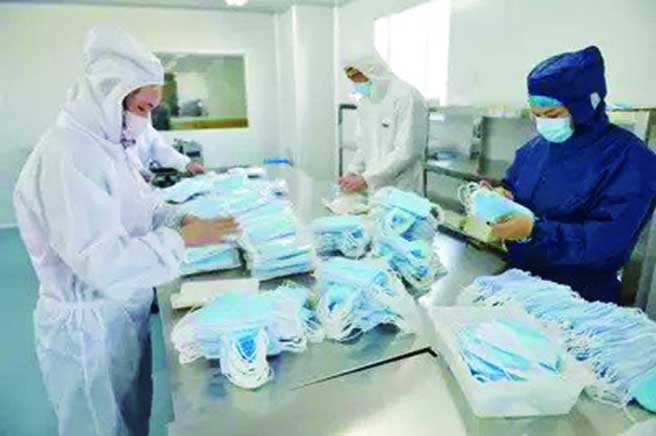
Besides, Beijing cannot justify its “selective” engagement with India on the evacuation process, allowing permission to some while denying it to others. As it turns out, in the same “critical period,” three other nations were allowed to operate their evacuation flights. What is incomprehensible is that just a few days ago, the Chinese authorities applauded the “kindness” shown by New Delhi in helping them tackle the outbreak. Premier Xi Jinping had himself lauded India for offering solidarity and assistance. The mixed messages are typical of the larger Chinese strategy of keeping us on our toes by speaking in a forked tongue. Despite this blow-hot-blow-cold attitude of the Chinese, the Indian Government chose to keep differences aside and sought to aggressively push itself to help China contain the virus. From agreeing to test clinical samples from abroad in its laboratories to offering help with the evacuation of people from affected areas to lifting the ban on the export of personal protection equipment — it has done it all. The least one could have expected of the Chinese, given their continued emphasis on strategic relationship and intention to look at trade and other broader areas of cooperation, was to acknowledge the role played by other nations, including India, in fighting the epidemic. But that’s too much to ask from it. In all the three sorties carried out to date, where more than 600 Indians have been airlifted, working with China has been a nightmare with the biggest hurdle coming by way of getting approvals from its authorities — Central, provincial as well as local. It must also not be forgotten that ripple effects of the spread of the virus are being felt in India, as in other nations. We, too, need to be prepared to tackle any potential crisis. India’s stand with regard to restrictions on some medical devices assumes prominence on account of our fast depleting stocks and low domestic output. In fact, the crisis has led to the deep realisation of how we are heavily reliant on the Chinese for the procurement of raw materials and key ingredients for the production of medical equipment and drugs. So much so that the Government is all set to create new opportunities for Indian firms to emerge as an alternative producing destination to fill the supply vacuum. This outbreak should serve as a warning for Indian industries to diversify their supply chains and encourage the production of critical components within India. Till we are dependent on supplies from China, it will use our weakness to leverage diplomacy.
(Courtesy: The Pioneer)

Public Health Sector : New Area Of Study
by Opinion Express / 08 May 2019We have all heard the adgage — prevention is better than cure. Public health deals with prevention and control of diseases. It involves researching and educating people how to prevent or manage health issues. People interested in Science and want to serve the society, a career in public health is the way forward. The field of public health is varied and has many academic disciplines ranging from pure research to direct public education. To work in public health sector a master’s in Public Health is appropriate. One can also explore degree programmes in healthcare administration or community health. A few more colleges to study are:
Emergency Management and Research Institute, Secunderabad. Course: Advanced PGD in Emergency Care
Indian Institutes of Public Health, Gandhinagar, Ahmedabad. Course: Associate Fellow in Industrial Health
SRM Institute of Science and Technology: School of Public Health, Kancheepuram. Course: Associate Fellow in Industrial Health
Medvarsity Online Limited, Hyderabad. Course: Diploma in Family Medicare
Writer: Pioneer
Courtesy: The Pioneer
All About POSHAN: “Prime Minister’s Overarching Scheme for Holistic Nourishment” Abhiyaan
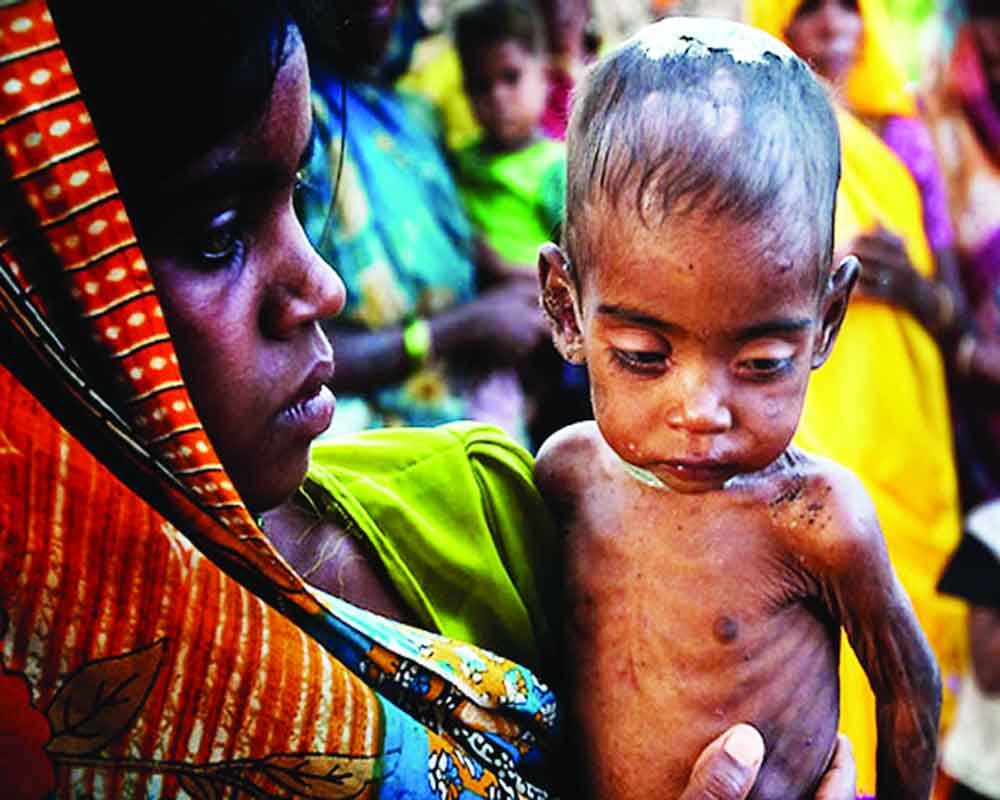
by JP Nadda / 05 February 2019Malnutrition has been a public health issue in our country for which Prime Minister Narendra Modi has set the agenda through the POSHAN (Prime Minister’s Overarching Scheme for Holistic Nourishment) Abhiyaan. He has announced clear targets and visible results to be seen by 2022, the 75th anniversary of the country’s Independence. The aim is to improve nutritional outcomes for children, pregnant women and lactating mothers. The targets under the POSHAN Abhiyaan are to reduce stunting, under-nutrition, anaemia (among young children, women and adolescent girls) and bring down low birth weight by two per cent, two per cent, three per cent and two per cent per annum respectively. Additional efforts will be made to bring down stunting from 38.4 per cent (NHFS-4) to 25 per cent by 2022. With this commitment from the highest level of leadership, nutrition is a clear priority for this Government.
India’s National Health Policy (2017) as well as the National Nutrition Strategy (2017) recognise that anaemia, which is a result of iron deficiency, has harmful consequences for maternal and child survival and overall productivity of the nation. Anaemia affects roughly one-third of the world’s population. Those with anaemia have low immunity and work productivity. It adversely impacts cognitive development of children. Anaemia in pregnant women is more likely to increase the risk of post-partum haemorrhage, low-birth weight babies, pre-mature birth, still birth and maternal death.
According to the National Family Health Survey-4 (2015-16), anaemia prevalence across all ages is extremely high in India. The percentage of children, aged between six and 59 months, having anaemia is a whopping 58 per cent while the percentage of women of reproductive age having anaemia is 53 per cent. As much as 50 per cent of pregnant women at any given point of time have anaemia.
There are many causes of anaemia but iron deficiency accounts for close to 50 per cent of cases among school children and women of reproductive age group and 80 per cent in children between two and five years of age (UNICEF and WHO Joint Statement 2001). Infectious diseases such as malaria, helminth infections, TB and hemoglobinopathies are other causes that contribute to the high prevalence of anaemia.
Unlike earlier attempts made to tackle the issue, there is a convergence of various departments and Ministries to achieve the desired results under the anaemia-mukt Bharat strategy. It is pertinent to note that the programme is being implemented pan- India, involving the community. Reaching out to everyone, particularly the vulnerable sections, is an integral strategy under POSHAN Abhiyaan. For this, the Government has improved and strengthened service delivery to ensure an efficient supply chain, encouraged use of technology to reach the targetted beneficiaries and bring about behavioural change through professional counselling.
Anaemia-mukt Bharat is a critical component of the POSHAN Abhiyaan and is expected to benefit 450 million people by 2022. It is based on six interventions, including prophylactic iron and folic supplementation; deworming and behaviour change campaign focussing on key behaviours such as appropriate infant and young child-feeding practices; increased intake of iron-rich diet or fortified food; ensuring delayed cord clamping after delivery; anaemia testing by using digital methods with special focus on pregnant women and adolescents and finally, screening and treatment of non-nutritional causes of anaemia in endemic pockets, malaria included. The strategy focusses on testing and treating anaemia in school-going adolescents and pregnant women using newer technologies, establishing institutional mechanisms for advanced research in the condition and a comprehensive communication strategy.
Considering that there are several other determinants of nutrition, linkages with other initiatives of the Government have been established. The Swachh Bharat Abhiyan focuses on creating open defecation-free communities that impact the rates of diarrhoea and gut infections among children. The Pradhan Mantri Matritva Vandana Yojana provides monetary support to pregnant women and lactating mothers for adequate diet, which in turn, promotes health-seeking behaviour.
Mission Indradhanush is increasing the rate of complete immunisation of women and children while the Mother Absolute Affection (MAA) programme is a nation-wide initiative to improve infant and young child-feeding practices. The Pradhan Mantri Surakshit Matritva Abhiyan (PMSMA) ensures quality ante-natal care for pregnant women, while the school children are being screened annually for diseases and nutritional deficiencies under the Rashtriya Bal Swasthya Karyakram (RBSK).
The Ministry of Health and Family Welfare is collaborating with the Ministry of Women and Child Development (MoWCD) on activities to be carried out during the POSHAN Maah that is observed in September every year. As part of the POSHAN Maah, 2018, AIIMS, New Delhi, along with six regional centres (Rajasthan, Madhya Pradesh, Odisha, Bihar, Chhattishgarh and Uttarakhand) undertook intensive BCC along with test and treat campaigns focussed on WRA (15-49 years) and under five children.
Also, our initiative, Village Health Sanitation and Nutrition Day (VHNDS), has been strengthened to be observed as ‘POSHAN Melas’ and are being leveraged as an opportunity to reach out to the community for counselling on health-seeking behaviours. Besides VHNDS, collaborating activities with MoWCD include traditional practices such as ‘Godbharai’ and ‘Annaprashan’ as part of POSHAN Abhiyaan for increased acceptance and involvement of the community.
Providing iron and folic acid supplementation and treatment to high risk groups, prevention and treatment of communicable diseases, promoting consumption of all micro-nutrients, and more importantly, encouraging birth spacing through the use of contraception are some other initiatives being taken by the Government for a holistic and life-cycle approach to the issue.
Implementing a programme of this magnitude is by no means an easy task but the Government is committed to end the scourge of anaemia and under-nutrition by rolling it out as a jan andolan (public movement). The decline in the prevalence of anaemia will contribute in improved maternal and child survival and improved health outcomes.
(The writer is Union Minister of Health and Family Welfare)
Writer: JP Nadda
Courtesy: The Pioneer
FREE Download
OPINION EXPRESS MAGAZINE
Offer of the Month