News Destination For The Global Indian Community


News Destination For The Global Indian Community
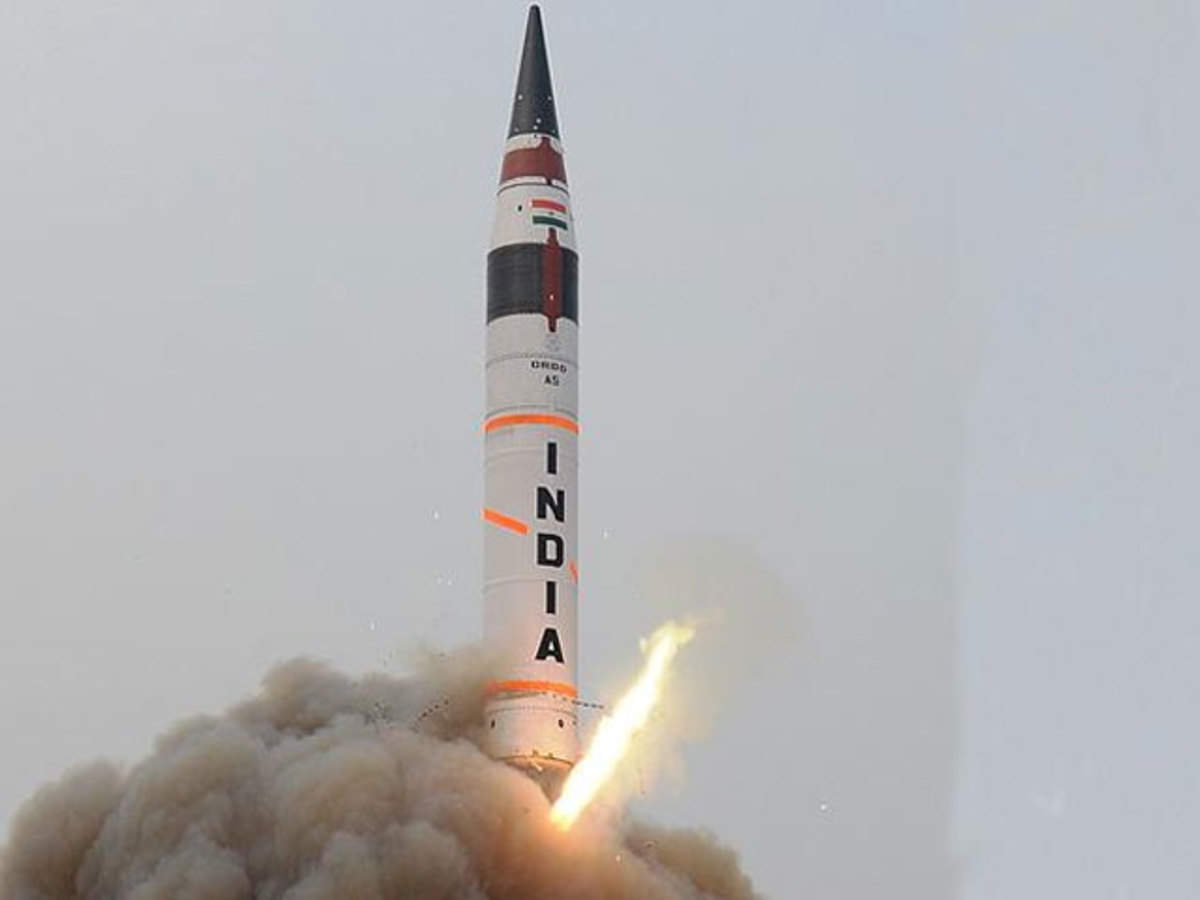
Accountability is key for any success
by Opinion Express / 24 July 2023Let us face up to the reality of the losses on our borders and take some firm action rather than spend time concealing facts from the domestic audience
It is a matter of immense national pride for all of us to have witnessed the successful launch of Chandrayaan- 3 on its epic journey and landing on the moon’s South Pole. Though well begun is only half done, one is hopeful that the team of dedicated scientists, engineers and technicians behind this project are rewarded for their wholehearted dedication and untiring efforts towards this mission with complete success.
The very fact that ISRO has achieved so much, with a minuscule budget of around Rs 650 Crores to boot, speaks volumes for its focus. Some movies cost more to make! It is therefore extremely puzzling as to why our engineers dealing with more mundane issues of town and infrastructure planning have made such a hash of things all around the country, as the monsoon plays out.
Of course, unexpected extreme weather may have been responsible for some of the havoc, but why was this not foreseen and catered for? After all a veritable army is employed, and paid for by taxpayers' money, for just this very thing! We have also had an array of civil servants and politicians, including the Prime Minister, travelling the world and attending a host of conferences and symposiums on mitigating the impact of climate change, on tax-payers money of course. These have been nothing more than holiday jaunts for the participants.
Accountability, or to be more specific, the lack of it, is the issue here In Delhi. The unseemly fight between the elected government and a puppet Lieutenant Governor, beholden to the Central Government in more ways than one, has allowed the bureaucracy to do as it pleases and get away with daylight murder. Fortunately, nobody has yet suggested we turn Delhi into another ersatz Venice, in the way MS Mamata Banerjee has attempted to make Kolkata into another imitation of London.
Somehow non- accountability seems embedded in our DNA. Whichever facet of governance one turns one attention to suffers from this cancer. Take Manipur, where by all accounts, an intense civil war rages on, with cases of rape and murder being documented almost daily, with no end in sight. Instead, as was to be expected, the Naga community now finds itself being slowly dragged into the quagmire with one of their community recently murdered.
Despite the universal condemnation, whether the Prime Minister speaks up publicly is unimportant. Though, he has now been forced to break his months-old vow of silence following the horrific and shameful video of Meitei crowds parading two naked Kuki women on mainstream media. More importantly, why has his government not substantially intervened as yet? In such circumstances what can one expect from complicit local politicians and bureaucrats awho are a part of the problem and not the solution?
But this is not an issue restricted to the political establishment or those in government. Mainstream media could not be bothered till now and paid only lip service to the issue. Those from civil society who never lose an opportunity to focus the spotlight on human rights and alleged violations by the security forces have not uttered even a squeak. That certainly is a pointer to the disturbing fact that those who covertly financially incentivise their initiatives have felt it necessary that Manipur should burn. This is not just local politics playing out, but something far more reprehensible and sinister.
In the same vein the BJP much touted nationalistic agenda and supposedly “muscular foreign policy” has turned out to be a damp squib, as it has cut no ice with China. The External Affairs Minister needs to clarify if we have any realistic hope of recovering the estimated 3000 square km of territory, that some analysts have alleged, we claim but can no longer patrol, in Eastern Ladakh.
In this context, the wishy-washy excuse of differing perceptions about the alignment of the LAC or whataboutism with regard to the loss of much of the Aksai Chin in the 1950s cuts no ice. As Mr Shyam Saran, former Foreign Secretary, points out by doing so, our side has implicitly conceded to Chinese perceptions and double-speak. The fact is, if we are unwilling to categorically and publicly state our position on the alignment of the LAC, why would the Chinese clarify their position? They see “salami slicing” actions as legitimate. We, of course, refuse to face up to the reality of the losses and spend more time concealing facts from the domestic audience rather than taking any firm action. Whinging, it seems is the default mode of all our governments.
Without accountability, we’re going nowhere and it needs to start with this government holding those responsible for the Ladakh fiasco accountable. Is it worried that by doing so they would have to concede the Prime Minister had deliberately mis-spoken when he famously gave the Chinese a clean chit? Holding to account members of the security and intelligence establishment should not in any way be linked to politics. It was indeed an unhealthy trend set by Mr Vajpayee’s government following the Kargil Conflict that needs to be reversed, and quickly, lest we find ourselves even more deeply embarrassed in the future.
(The writer is a military veteran, currently a Visiting Fellow with the Observer Research Foundation and Senior Visiting Fellow with the Peninsula Foundation, Chennai)
India-France can be a potent force
by The Pioneer / 23 July 2023Together, the two countries can be an effective balancing power in the Indo-Pacific
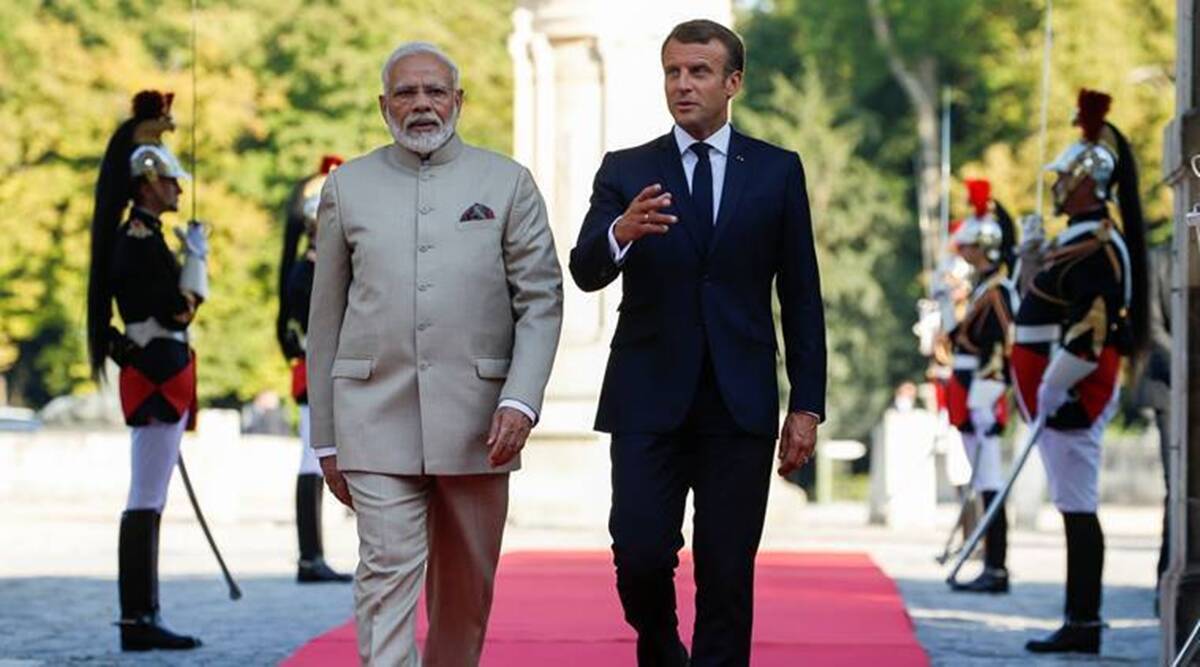
Prime Minister Narendra Modi undertook another high level to India’s west, less than a month after his state visit to the US. The visit to France last week is a reminder of the changing geopolitics, aligned with 21st-century realities. If several rounds of vegetarian meals hosted by America’s top leadership, the second chance to address a joint session of the US Congress were a teaser, France upped the game by bestowing the Grand Cross of the Legion of Honour, the highest civilian and military honour on PM, not to forget the proud Indian tri-services marching on Champs- Elysees. It is a reminder to India steadily taking the rightful place in the global order, specifically, when it comes to the Indo-Pacific region, to an extent catalysed by the presence of China, whose aggressive manoeuvres in the Indian Ocean region and beyond are forcing new alliances and partnerships.
It is significant that even though India hasn’t clearly articulated its Indo-Pacific strategy, unlike France and US, there was a joint statement released during the PM’s Paris visit. The note mentioned “Our countries believe in a free, open, inclusive, secure and peaceful Indo Pacific region. Our cooperation seeks to secure our own economic and security interests; ensure equal and free access to global commons; build partnerships of prosperity in the region; advance the rule of international law; and, working with others in the region and beyond, build a balanced and stable order in the region, with respect for sovereignty and territorial integrity. “
A mention regarding PM Modi's envisioned SAGAR ((Security and Growth for All in the Region) and President Macron’s vision of the security and cooperation being aligned, was made, to highlight the key glue for the 25-year-old India-France relationship. France has always partnered with India on the premise of strategic autonomy. This goes well for India, as it doesn’t impose conditions for bilateral cooperation. It takes away the uncomfortable “Us vs Them “, narrative, providing the breathing space for a healthy friendship to take life. That the India-France relationship has stood the test of time, such as France not imposing sanctions on India in the aftermath of nuclear tests, or not criticising India for its non-committal stance on Ukraine, is well documented.
The current roadmap extends the partnership to bring a larger bunch of partner countries located in the vast Indo-Pacific region under a common umbrella. The joint statement read “We will continue to work together to extend development cooperation to countries in the region, including in Africa, the Indian Ocean Region, South Asia, Southeast Asia and the Pacific. We will strengthen our plurilateral arrangements with Australia and UAE and build new ones in the region. We will strengthen our cooperation in regional forums such as the Indian Ocean Rim Association, the Indian Ocean Naval Symposium, the Indian Ocean Commission, the Djibouti Code of Conduct, the ADMM+ and ARF.”
India and France are already working on a trilateral platform with Australia and UAE, and plan to expand the net on most critical areas of maritime cooperation, security, climate change etc to a wider bunch of nations impacted in the region. These nations while not as large, economically or area-wise, as compared to India hold strategic spots in the extended Indo-Pacific expanse, which India loosely defines as ranging from US east coast to the African west coast. This region also controls/hosts some of the most heavy traffic sea routes, through which billions of dollars’ worth of goods are traded across the world China is increasingly getting aggressive in the Indian Ocean region, slowly building strategic military bases by coercion (most often) in some of these smaller island nations threatening territorial sovereignty of many countries. A joint collaborative approach between India and France, taken together with a vision for the next 25 years augurs well to act as an effective balancing power.
(Kumardeep Banerjee: The writer is a policy analyst)
UCC—A political Pandora's box
by Opinion Express / 02 July 2023If the government obtained parliamentary nod for the UCC, it is likely to position it as a central issue in the upcoming state elections, with the hope of capitalizing on it in the next year’s Lok Sabha polls, writes Navin Upadhyay
The ongoing debate surrounding the Uniform Civil Code (UCC) has gained momentum with the Modi government's vigorous push for its implementation. The timing of this push, ahead of the Lok Sabha elections, is seen as a strategic move to consolidate support among the Hindu electorate. With the impending inauguration of the Ram temple in Ayodhya and the previous abrogation of Article 370 in Jammu and Kashmir, Prime Minister Narendra Modi has a strong narrative to reinforce its commitment to fulfilling its promises to the nation.
The government's expectation is that opposition parties will reject the UCC, both within and outside the parliament, thereby potentially consolidating Hindu votes in favor of the BJP. Notably, most major opposition parties in India are against the implementation of a Uniform Civil Code. They argue that such a code would infringe upon the freedom of religion for minority communities and contend that the existing system of personal laws is effective in addressing matters of personal and family affairs.
The opposition's concern is rooted in the fear that the UCC might be used as a tool by the ruling party to promote Hindu majoritarianism, which goes against the principles of secularism enshrined in the Indian Constitution. Parties such as the Congress, Trinamool Congress, JD(U), RJD, SP, CPI(M), and CPI have accused the Modi government of exploiting the UCC as a political ploy to appeal to the majority Hindu population ahead of the upcoming elections. On the other hand, the Aam Aadmi Party (AAP) has expressed conditional support for the UCC, emphasizing the importance of building a broad consensus through consultation with all stakeholders.
The concerns raised by the Akali Dal, a former ally of the BJP, are particularly significant. The Sikh community, known for its strong religious identity, is wary of any attempts to impose laws that could potentially infringe upon their religious practices. Akali Dal spokesperson Daljit Singh Cheema has argued that civil laws, influenced by faith, belief, caste, and customs, should be retained to protect the social fabric and uphold the principle of unity in diversity.
Even the Uddhav Thackeray-led Shiv Sena, a pro-Hindutva party, has refrained from openly endorsing the UCC. In an editorial published in its mouthpiece 'Saamna', the Shiv Sena emphasized that the basis for the Uniform Civil Code should not be solely opposition to Muslim Sharia law. They stressed the need for equality in law and justice as the fundamental principles underlying the UCC, transcending religious affiliations.
The Uniform UCC has been a subject of contentious debate in India for several decades. It pertains to the idea of formulating a common set of personal laws that would apply to all citizens, regardless of their religious affiliation. The UCC aims to promote gender equality, secularism, and social harmony by replacing the existing separate personal laws for different religious communities. However, the implementation of a uniform civil code has faced significant opposition and continues to be a topic of intense discussion within the country.
India, with its diverse religious and cultural mosaic, inherited a system of personal laws from its colonial past. These personal laws govern various aspects of citizens' lives, such as marriage, divorce, inheritance, and adoption. The country currently has separate sets of personal laws for different religious communities, including Hindus, Muslims, Christians, and others. The idea of a uniform civil code was enshrined in Article 44 of the Indian Constitution, which called for its eventual implementation.
The debate surrounding the implementation of a uniform civil code can be traced back to the colonial era when the British introduced separate personal laws for different religious communities. These laws were aimed at maintaining religious and cultural identities but also created disparities in terms of gender rights and social practices.
Proponents of the UCC argue that a common set of laws would promote equality and justice for all citizens. They contend that the existing personal laws, which often differ significantly across religious communities, can perpetuate gender discrimination. For instance, some argue that certain provisions in Muslim personal law, such as those related to divorce and inheritance, are biased against women. Implementing a uniform civil code is seen as a step towards ensuring gender equality and eliminating discrimination.
Supporters of the UCC argue that it would reinforce the principles of a secular state. By having different personal laws based on religious affiliations, critics argue that the state is inadvertently interfering in religious matters. Implementing a uniform civil code would align the legal framework with the principles of secularism, treating all citizens equally, irrespective of their religious background, they argue.
Advocates for the UCC also emphasize that it would foster a sense of national unity and social cohesion. They argue that a uniform civil code would transcend religious boundaries and create a common platform for all citizens, strengthening the bonds of a diverse society. It would promote a shared understanding of rights and responsibilities, thereby contributing to a more harmonious and inclusive nation.
However, opponents of the UCC express concerns about potential infringement upon religious freedoms and cultural diversity. They argue that personal laws are deeply rooted in religious beliefs and practices, and any attempt to impose a uniform code would undermine the autonomy of religious communities. Critics contend that personal laws provide a sense of identity, community, and continuity for religious minorities, and any attempt to change them would be seen as an encroachment on their religious rights.
One of the primary concerns raised by opponents of the UCC is that it may dilute the cultural diversity of India. The country prides itself on its rich heritage and the coexistence of multiple religious and cultural traditions. The proponents of diversity argue that personal laws reflect the distinct identities and practices of different communities, and any move towards uniformity would erode the uniqueness and plurality of Indian society.
Another significant concern is that the implementation of a uniform civil code may disrupt the delicate balance between religious communities in a pluralistic society like India. The country's secular fabric relies on the principle of respecting and accommodating religious differences. Critics argue that enforcing a uniform code may lead to communal tensions and hinder social cohesion. They contend that personal laws have evolved over centuries, shaped by the customs, traditions, and religious scriptures of each community, and any attempt to replace them with a uniform code would disregard these deeply ingrained practices.
Opponents also argue that personal laws provide certain protections and safeguards for marginalized sections of society within specific religious communities. They fear that a uniform civil code may overlook these protective provisions and leave vulnerable groups without adequate legal recourse. For example, Muslim personal law contains provisions for the maintenance and the welfare of divorced women, which may not be adequately addressed under a uniform civil code.
The potential implementation of the Uniform Civil Code by the government holds significant implications for the upcoming elections in Madhya Pradesh, Rajasthan, Telangana, and Chhattisgarh. If the government obtained a parliamentary nod for the UCC, it is likely to position it as a central issue in these state elections, with the hope of capitalizing on it in the subsequent Lok Sabha polls.
On the other hand, the opposition parties face a delicate balancing act. This is especially crucial as the UCC is being portrayed in media and political debates as something that would primarily affect Muslims. To avoid alienating Hindu voters, the opposition parties will have to articulate their concerns about the UCC without being perceived as practicing the policy of “appeasement”.
The Goa Uniform Civil Code
The Uniform Civil Code (UCC) has been a subject of debate in India for many years. However, in the small state of Goa, a unique and progressive Uniform Civil Code has been in place for decades. The Goa Civil Code, also known as the Goa Family Law, applies to all residents of Goa, irrespective of their religious affiliation. It is often regarded as a model for a pluralistic society, providing a framework that promotes gender equality and safeguards individual rights while respecting the diversity of religious customs and traditions.
Goa's legal system underwent significant transformations throughout history. Before its liberation from Portuguese colonial rule in 1961, Goa followed the Portuguese Civil Code, which incorporated elements of both Roman and Canon Law. When Goa became a part of the Indian Union, a decision was made to retain certain aspects of the Portuguese Civil Code while integrating reforms to align with the principles of the Indian Constitution.
Key Features:
Gender Equality: One of the defining features of the Goa Uniform Civil Code is its emphasis on gender equality. It grants women the right to inherit property equally, irrespective of their religious affiliation. This provision challenges the discriminatory practices prevalent in the personal laws of many other communities in India. The Goa Civil Code also ensures equal rights in matters of divorce, alimony, and child custody, striving to create a more equitable legal framework for women.
Customary Practices and Religious Freedom: The Goa Uniform Civil Code recognizes the significance of customary practices and religious freedom. It allows individuals to follow their respective religious rituals and traditions in matters of marriage, divorce, and inheritance, as long as they do not violate the principles of gender equality and fundamental rights. This approach strikes a balance between preserving religious diversity and upholding constitutional values.
Codification and Simplification: The Goa Civil Code also stands out for its codification and simplification of laws. It consolidates various legal provisions into a comprehensive and accessible code, making it easier for individuals to understand and navigate the legal system. This simplification has contributed to greater legal awareness and empowerment among the residents of Goa.
Others question the feasibility of implementing a similar code at the national level. The diversity of India, both in terms of religion and culture, poses challenges in creating a uniform code that accommodates the complexities and sensitivities of each community.
(By Navin Updadhyay: The writer is the Executive Editor of The Pioneer)
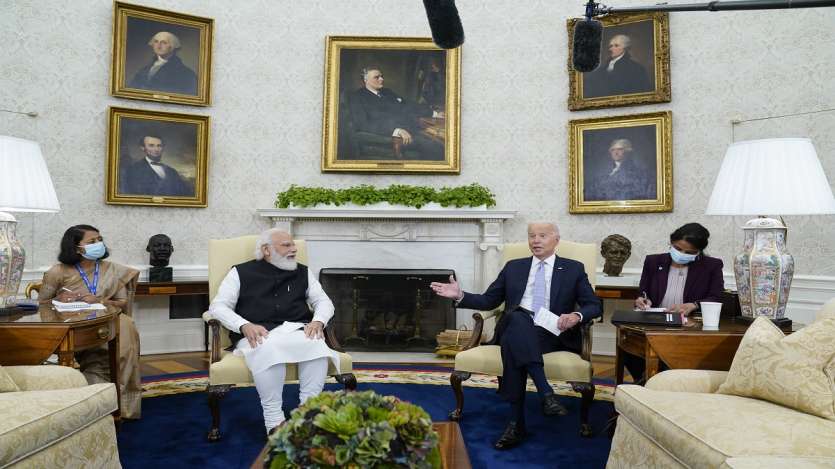
“Narendra Modi's US State Visit Paves the Way for Global Cooperation
by Prashant Tewari / 20 June 2023In the realm of international diplomacy, state visits play a crucial role in strengthening bilateral relations between nations. The relevance of an official state visit by a major global leader to the United States lies in its potential to strengthen bilateral relations, promote dialogue on key issues, and enhance cooperation in various fields. State visits provide an opportunity for leaders to engage in high-level diplomacy, exchange ideas, and foster mutual understanding. It serves as a platform to address shared challenges, expand trade and economic partnerships, and coordinate efforts on global matters such as climate change, security, and human rights. Overall, state visits contribute to the maintenance and advancement of international relations in an increasingly interconnected world.
One such significant event is the state visit of Indian Prime Minister Narendra Modi to the United States. Narendra Modi's proposed state visit to the United States carried profound implications for both countries, encompassing diplomatic, economic, and strategic dimensions.
The significant implications of the proposed state visit of the Indian Prime Minister
The visit provided an opportunity to deepen the diplomatic ties between India and the United States, two democratic nations with shared values and interests. Through high-level meetings and dialogues, the leaders aimed to foster cooperation on various global issues, including climate change, regional security, and counterterrorism. The state visit also served as a platform for India to engage with other key global players. As India seeks a larger role in international forums, such as the United Nations Security Council, the visit offered a chance to garner support and build alliances.
The proposed visit will have tremendous economic Implications, strengthening economic ties will be a significant aspect of the state visit. The United States is India's largest trading partner, and both countries sought to enhance bilateral trade, remove trade barriers, and explore opportunities for investment in sectors such as technology, defense, and renewable energy.
On the technology Transfer and Innovation front, major collaboration in the fields of technology and innovation emerged as a key focus during the visit. India's burgeoning start-up ecosystem and the United States' leadership in technological advancements created possibilities for joint ventures, research partnerships, and knowledge sharing.
Finally, the proposed visit will have Strategic Implications for Defense Cooperation. The visit emphasized defense collaboration between India and the United States, with discussions on defense procurement, joint military exercises, and technology sharing. Strengthening defense ties would enhance the security of both nations and contribute to regional stability.
The visit will address the growing expansionist intent of China hence the Indo-Pacific Cooperation become extremely relevant. The state visit highlighted the converging interests of India and the United States in the Indo-Pacific region. Closer cooperation in this domain, encompassing maritime security, freedom of navigation, and regional connectivity, aimed to balance China's growing influence in the region.
Role of the New US Ambassador to India
The role of the US Ambassador to India Eric Garcetti is vital in facilitating a mega success for the proposed Narendra Modi's state visit to the US from 22 June 2023. The appointment of an ambassador with political background signifies the importance a nation places on its relationship with another country and sets the tone for collaboration. The fact that immediately after his appointment as the US Ambassador to India, the proposed state visit of the Indian head of state is planned is a testimony to the US Ambassador’s relevance in the entire episode. The proposed Indian Prime Minister’s state visit is happening since the last Indian head of state visit of Dr Manmohan Singh on 24 Nov 2009.
The ambassador has quickly started acting as a bridge between the two governments, facilitating direct communication and fostering understanding. By leveraging his political experience and diplomatic expertise, the ambassador is playing a vital role in coordinating high-level meetings, setting agendas, and ensuring fruitful discussions on a range of bilateral and global issues.
The ambassador is playing a crucial role in connecting the people of both nations and promoting cultural exchanges. Upon assuming office, he has visited many Indian cities, and his social media platform is abuzz with activities. Through NGOs like Friends of the United States, various cultural events, educational collaborations, and business forums, the new ambassador is encouraging mutual understanding, strengthening people-to-people ties, and nurturing long-term relationships.
Prashant Tewari, Editor-in-Chief Opinion Express & Columnist with The Pioneer
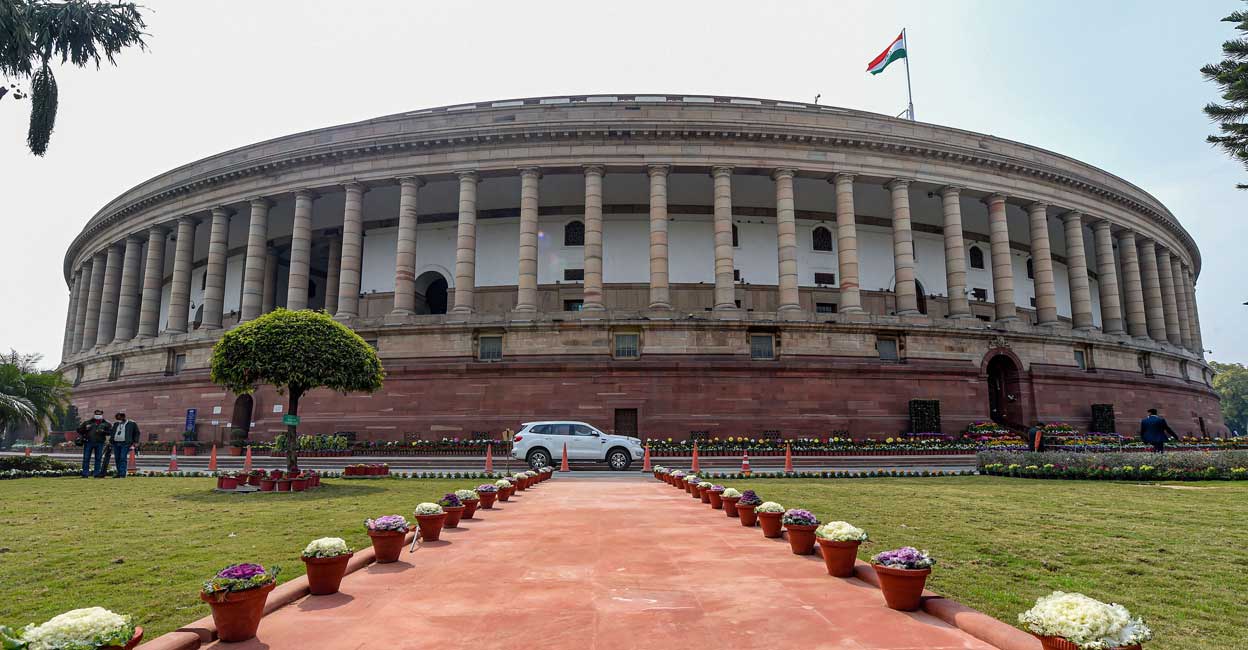
"Democracy 2.0: Modernizing the Democratic Process for betterment of the country"
by The Pioneer / 19 June 2023All political parties must learn to adhere to the best practices of parliamentary protocol and work for the welfare of the people in tandem
We are in the 75th year of independence and have grown from 30 crore in 1947 to 142 crore in 2023. People are happy that the country has got a new swanky Parliament building. Our generation who were born after independence is particularly lucky that we have not seen the days when our parents and forefathers were ruled by foreign powers, faced severe hardships and who were longing for freedom and a bright future for their children. Much water has flown in river Ganga since the midnight of 14th August 1947 when the erudite Jawaharlal Lal Nehru gave the historic famous ‘Tryst with Destiny speech’ one of the best speeches ever given by Pandit Nehru in the Constitution Assembly igniting the fury of hope for a bright future for the people and the country. The Constitution Assembly enacted the Constitution of India and adopted it on 26th January 1950 and thus India that is Bharat became a Republic and our journey of modern democracy started in 1937 and took shape on firm footings. Ever since the British initiated some semblance of limited democratic self-rule in provinces, we have had a tumultuous start with a democratic electoral system after the 1935 Government of India Act.
Now the time has come to assess the type of Democracy we Indians are following in our country so that if needed a course correction can be done. The word Democracy is a Greek word “demos” meaning people “Kratos” meaning power when it was established in the 5th century BC in Athens under ‘Cleisthenes’ –the father of Athenian democracy. It is in simple words ‘the power of the people’ and very well defined by the former President of America Abraham Lincoln “Of the people, by the people and for the people”. In modern world the two main principle of democracy are the concept of equality and the individual autonomy. However, Indian system of Democracy was very well described by the Vedas very beautifully in some slokas of Rig Veda which mentions it as a thriving republican form of Government in India. There are slokas in Rig Veda which stated that there were self governing bodies in the villages’ and Republican congregations. However, over the years the systems of kings and power brokers ruled the roost but even then there was a Panchayat (council of five persons) system of governance in each village and it continued in one form or the other. But during the Medieval period and thereafter village feudalism started becoming stronger and became further strong in the British period when the county’s resources were exploited by the British and poverty got accentuated and compounded by many famines.
In the recent modern system, the principles of democratic government are- human dignity and protection of individual rights, liberty and freedom of choice for electing the rulers in a pluralistic multi-party system and separation of executive, legislatures and judiciary with a vibrant free press. One of the fundamentals of the success of democracy is respect for its core values and dissent. In most parts of the world, rulers profess to be democratic even those who rule through one-party rule like the communists call themselves democrats. One of the forms of democracy which India adopted is witnessed in Great Britain which is having an unwritten constitution under the monarchy. Then we have the French and American systems with their plus and minuses. In most African countries democracy falls between partial democracy to autocracy and dictatorship by misusing democratic norms.
So while assessing the Indian democracy we must look at the way we conform to the core values of Liberty, equality and fraternity in our governing system. On the positive side we have achieved a semblance of stability of governance with well-entrenched, fair and independent electoral proceedings; have ensured self-sufficiency in food grain production through the Green Revolution, increased life expectancy from 32 years in 1947 to 70 years in 2022, Eradication of Polio, Space, Nuclear and other Technologies including medical science, Gender equality, Education, Milk production through white Revolution and a robust Defence structure.
However, there are many negative fallouts of democracy that a country of immense diversity is facing and for which the people as well as the political parties are equally responsible. More than 80 per cent of politicians as well as people are not bothered about the real tenets of democracy and how to practice it. This is the only country in the world where citizenship can be obtained with fake documents and even Aaadhar cards are made by procuring such documents. The reason for this is the lack of genuine commitment among the citizens, bureaucracy and political class for ensuring the national integrity and protecting its heritage. These documents obtained fraudulently are then used for getting voter identity cards.
One of the conditions for a voter’s id is that the applicant should be ordinarily a resident of the locality where he wants to register as a voter. This condition is, however, never seriously examined with the results that several foreigners have become Indian citizens and vote bank politics is seriously compromising the national interests. It ultimately foments social tensions and had created serious problems of security of the country and law and order-related issues. Take the example of the recent Manipur riots.
Till a few decades ago the population of Chuda Chandpur District was only sixty thousand but now it is several lakhs and unusually high due to the influx of Kuki and Naga tribes from Myanmar. The cross-border drug peddlers are one of the root causes of disturbance in Manipur and the vote bank politics have led to more and more influx of foreigners not only in Manipur but all over India. The Assam agitation was the fallout of the settlement of foreigners. In Uttarakhand foreigners and outsiders are taking advantage of migration in the hills and settling in large numbers threatening the culture and ecology of the fragile border state.
We talk about foreign interference like George Soros's funding to destabilize the Indian government and Hinderberg publishing a report on Adani which led to the share market crash of Adani share but we must remember why only Asian and African countries are targeted by them. It is because we have chinks in our society and democracy in which we do not hesitate to take the help of outsiders to settle scores with opponents and ever since the telecast of our parliament’s proceedings began that provides fodder for them to intervene in our affairs.
All political parties must ponder over and learn good things about other countries' parliamentary protocols and work for the welfare of our people and make India a true world power.
(VK Bahuguna: The writer is former Director-General of ICFRE, Ministry of Environment, Forest and Climate Change)
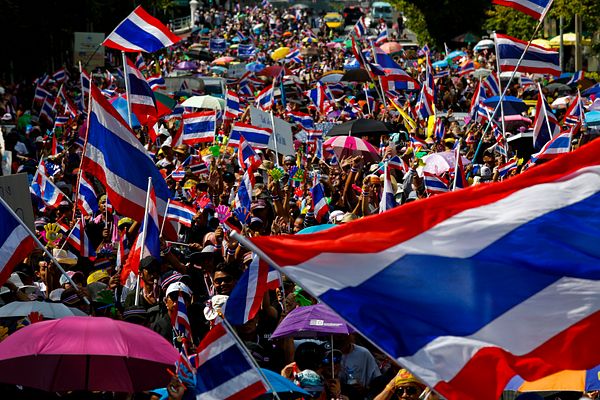
Democracy Takes Center Stage in Thailand
by Ashok K Mehta / 15 June 2023The rise of the Move Forward Party and its dynamic leader Pita eclipses the Thaksin family aura, giving Thailand a chance at democratic transformation
It looks like democracy is about to trounce the military-monarchy nexus in Thailand one more time. But appearances are deceptive in a country where the military has subordinated the political class. In south and south East Asia Pakistan, Myanmar and Thailand refuse to jettison the Khaki brigade who rule these countries either directly or indirectly. Thailand has never been colonized and has emerged as the region's second most prosperous country and one of the world’s leading tourist destinations. Bangkok was the hub of 13 coup-de-tats and 9 coup attempts in 90 years after Absolute monarchy was abolished in 1932 and replaced with constitutional monarchy. From 1948 to 1991 most Prime Ministers were Generals. For more than 10 years now the two PMs were Generals.
Recently the military crafted a constitution inspired by fellow Generals in Myanmar that is designed to ensure the military dominates the hybrid government and Generals in Saville Row suits call the shots. But a slip between the cup and lip has led to a landslide victory for civilian political parties in Thailand- like in Myanmar in 2021 that triggered the coup against Aung San Suu Kyi. In the May elections, no ordinary Generals but three Army Chiefs between 2004 and 2020 were PMs, Deputy PMs and Interior Minister. Yet they were hollowed out by civilian youthful leaders hugely popular among people, especially youth seeking reform and change. They planned to rotate among themselves as PMs.
The Move Forward Party under the Harvard-educated businessman turned politician Pita Limjaroenrat and the Thaksin family-backed Pheu Thai Party led by Paetongtran Shinawatra bagged 151 and 144 seats in the 500-member lower house. Pita turned out to be the dark horse, defeating the favourite Shinawatra scion-led PTP. A coalition of 8 parties is expected to garner 376 seats in a 750-member two-tier Parliament for a majority. The top two parties along with the Bhumjaithai party along with 5 other parties would form the coalition to select Pita as the new PM. The session of parliament in July will ratify the Prime Minister and the coalition government through a majority vote. Thailand’s complex but military-weighted constitution ensures the military wins. There are fears that Myanmar may be replicated in Thailand. In a sense, therefore, the election was a referendum on the military in which the junta suffered a humiliating defeat.
MFP has got a mandate for transformation as Pita canvassed for removing the military from politics, ending conscription, restoring full democracy, scrapping Article 112 on Lese Majeste, overhauling the economy, establishing rule-based diplomacy and establishing a humanitarian corridor between Thailand and Myanmar while attempting to implement Asean’s five-point consensus on Myanmar. But dismantling the established military-monarchy order will not be easy.PM Prayuth Chan-o-cha gracefully conceded defeat, acknowledging the power of people’s vote and adding that he respects democracy and hoped Thailand will be peaceful. His statement has an ominous ring to it. Pita is pledged to reform Lese Majeste introduced in 1908 and reformed in 1976. It carries a penalty of 28 years in jail – 15 years per charge of insult and disrespect to monarchy. No one in Thailand openly discusses King Maha Vajiralongkorn, Rama X of the Chakrai dynasty and monarchy. Conversations are in code. In 2017, Prayuth succumbed to the King’s desire to exercise greater control over the military by altering the constitution to place key military units under Royal control. People do not venerate the present King as much as they did his father but he is the King.
Thucydides' law will come into play during power transformation. The military maintains several leverages – like the handpicked senate, election commission, dissolving the main opposition party and courts. These are the military’s non-traditional tools for combating threats that challenge its domination and control of politics. But international as well as domestic safeguards could act as a deterrent to the orderly transfer of power to the elected government. The writing on the wall is that though Pita has got the mandate, the transition may not take place as he has struck at the Palace and Monarchy as well as the military. Other graffiti suggests that he may strike a deal to go slow on reforms targeting Monarchy. Already corruption charges have been levied against Pita which he has denied. He is also accused of constitutional violation (?) which could disqualify him from parliament.
The Supreme Court has 60 days to confirm the results declared by Election Commission. After the 250-seat Senate’s vote to determine the final vote tally, the elected government will have to prove its majority in 90 days. The Generals will not want to attract the wrath of the West after their counterparts in Myanmar did an about-turn on democracy. It is therefore better to let the coalition government run for now say, for two years, and let infighting among the coalition lead to disruption and break in law and order or simply manufactured disorder. A valid pretext is essential in the rules-based order for military intervention and restoration of what Generals call ‘disciplined democracy’. This has been historically the cycle of action-reaction to ensure that the military grip over politics is more direct than indirect. The rise of MRP and its dynamic leader Pita eclipses the somewhat controversial Thaksin family aura and gives Thailand another more potent chance for democratic transformation.
(The writer, a retired Major General, was Commander, IPKF South, Sri Lanka, and founder member of the Defence Planning Staff, currently the Integrated Defence Staff. The views expressed are personal)
Courtesy: The Pioneer
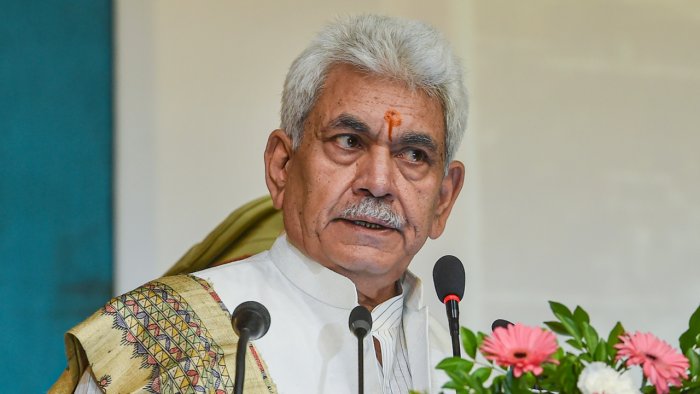
"Manoj Sinha's Vision for J&K: Pioneering Development and Fostering Prosperity"
by Rayees Masroor / 03 June 2023Since taking oath as the 2nd Lieutenant Governor of the union territory of Jammu and Kashmir on 7th of August 2020, Manoj Sinha in the next three months will complete three years at the helm of affairs of the J&K UT. Mr Sinha an agriculturalist at heart and a silent performer is known in many circles as the Vikas purush or development man. Mr.Sinha consciously maintains a low profile but is regarded as a strict administrator. He was among the best-performing members of Parliament in the 13th Lok Sabha in 1999. A civil engineer and an IIT-BHU alumnus, He is recognized for his strong ability to connect with the masses and belief in welfare measures. After being sworn in as the governor he pitched for peace and stability and said the powers of the Constitution will be used for the betterment of the people and the development of Jammu and Kashmir.Before this
He has been a three-time Lok Sabha MP. He was elected to the lower house for the first time in 1996 and then in 1999 and 2014.
After taking the reigns of the newly formed union territory of Jammu and Kashmir, LG Sinha has been on its toes to usher in a new era of peace and development. Every state or region has its own potential and capacity to grow in the economic sector. LG Sinha thinks that 70% of the UT population is directly or indirectly connected with the agriculture and allied sectors.LG has been stressing for an integrated approach enabling significant farmer participation in policies and ensuring their suggestions are considered in the decision-making. He has directed for the steps towards increased productivity, diversification, access to credit & required technical assistance. Increased productivity and enhanced resilience are very important in the new agriculture policy. For the holistic development of the agriculture and allied sectors, three significant initiatives, 'Kisan Sampark Abhiyan', Daksh Kisan (Skilling of farmers), and Kisan Sathi (IT Dashboard for digitization of services for farmers) have been launched. Under Kisan Sampark Abhiyan' with the help of PRIs the administration is trying to focus on orientation and skill courses for all interventions to make sure that the meticulous plan reaches the fields and prepares farmers for the new challenges, seeks possibilities and makes farming more accessible and profitable.
LG Sinha has also been very keen on the industrial revival in the UT, The work done for the industrial development of J&K is clearly visible, During the last two years, Jammu Kashmir has received 5,372 investment proposals worth Rs 70,000 crore. Proposals worth Rs 24,000 crore from some 1,800 companies have already been approved. similarly, Under PMEGP or the Prime Minister's Employment Generation Programme as many as 21,640 manufacturing and service units have been established in 2021-22. Since the launch of the Udyam Registration portal in 2020, two lakh Micro, Small & Medium Enterprises units have been registered in J&K so far.
It is an established fact that the tourism potential of Jammu and Kashmir was unique in many ways, The breathtaking natural beauty of Kashmir, its rich cultural heritage, magnificent cuisine and most importantly the warm hospitality of the people is a great motivation for the national and international tourists. The LG administration under the tourism mission initiative is gearing up to develop 75 new destinations 75 religious sites 75 new cultural & heritage sites and 75 new tracks. This will open up new economic opportunities for fulfilling the aspirations of the people concerned with this sector. It is hoped that in the coming few years J&K will make its place as an important tourist destination in the global tourism map.
Under the direct supervision of LG Sinha, the UT administration has kept a special focus on the education sector and there has been a vibrant change in the work culture and overall functioning of the education department both at the higher level and school level. LG Sinha formed and led the education reform committees (LG's task force) to implement the NEP 2020 and to formulate the strategy in order to address all the issues and concerns of the department. Smart attendance and accountability have rejuvenated the Department of Education and one only hopes that excellence shall be achieved. In order to provide better facilities to the students and the Teachers
Sinha launched a mentorship program and TALAASH App for mainstreaming 93,508 identified out-of-school children, besides laying the foundation stones for 500 Atal Tinkering Labs across the UT.
LG Sinha has been striving hard to steer change in the socio-economic landscape of Jammu and Kashmir with the active participation of the public and PRIs.The Back to Village programme and my Town pride has given much-needed impetus to the development of villages and Towns. Many other initiatives including the provision of digital and online services, streamlining the land records and reforming the overall governance structure of the UT have been instrumental in giving a new hope to the citizens to see J&K emerging as a powerhouse of prosperity.
Hopefully, the UT administration led by LG manoj sinha shall continue making resolute efforts to develop the UT to realize its huge growth potential and ensure its socio-economic development. It is Worth mentioning that J&K needs a massive developmental push to meet the aspirations of its people. It has lagged behind many other states despite its huge potential to become an economic powerhouse.
The writer is based in Kupwara Kashmir.
"Global Alliance for Peace: Uniting Nations in Pursuit of a Harmonious World"
by Joginder (Jo) Singh Birring / 30 May 2023Russia, India and China remain focused against Western war conflicts in the East and are the “True Axis of Good” Justifiably determined to give their citizens much more prosperity and more peaceful patriotic pride while safely trading with the rest of the world.
The Russian Govt and President Vladimir Putin did everything possible ( and still continue to do) to resolve Ukraine matter more peacefully - The many Western politicians would not (and sadly still do not) allow it. So we don’t see the logic in blaming Russia for the awfulness of war when they were left with no option except to let the Russians living in Ukraine just lie down and die as well as have Russia and its citizens more endangered by Ukraine govt regime and their western weapons/financial war supporters. Zelensky should have made peace with Russia in the first place instead of listening to the warmongering Western politicians. The saying “Absolute power corrupts absolutely” is wrong. It is… “People” who corrupt Power!
THE COSTS TO WESTERN TAXPAYERS FOR THEIR GOVERNMENT'S WAR IN UKRAINE AGAINST RUSSIA:
The total amount of direct budget support from the EU to Ukraine in 2023 so far is 6 billion euros (£5.3bn). According to the EU Commission website, this brings the total support made available (from the commission and EU member states) since the beginning of Russia’s SMO to more than 50 billion euros (£44.2bn). This excludes the financial support given to cater to Ukrainians fleeing the war. The USA Since the war began, the Biden administration and the U.S. Congress have directed more than $75 billion in assistance to Ukraine, which includes humanitarian, financial and military support, according to the Kiel Institute for the World Economy. The BK(Broken Kingdom) provided £2.3 billion in military support to Ukraine in 2022 and has already committed the same level of military support in 2023, totaling £4.6 billion over both years. “ALL” of this taxpayer's money could and should have been spent on their own citizens to give them better education, lower taxes, less inflation, more jobs with higher wages “AND” more peaceful prosperous safer futures for the children!
RUSSIA CANNOT BE DEFEATED: The strategies the West is using in this war against Russia are a collection of past failed strategies. For example, sanctions have failed in Syria, Venezuela and Iraq to create regime change. Why then did they ever expect it to work against Russia? Then there is the use of corrupt, proxy regimes in Afghanistan, Iraq and South Vietnam. Then there is hope that coercive diplomacy backed with casualties on the battlefield and economic damage at home would result in Russia's surrender, a strategy that failed in North Vietnam (body counts, bombing campaigns). Finally, there is the hope that the proxy army will achieve what a millennium of invasions of Russia (Teutonic knights, poles, swedes, Napoleon and Hitler) didn’t. We at The WHS Group of Companies, like millions of others in this world, are confused about why they think it will this time! Never against Russia as…Russia and its citizens are unbeatable in more ways than one!
THE PEACEFUL PROSPEROUS FUTURE OF INDIA:
India is a big country that will always have China and Russia as it’s neighbors. If Asia wants to dominate the world for the next centuries India, Russia and China must learn the lessons of the European wars which ruined the continent. If the European countries had found negotiated solutions to their differences, they would still be the dominant ones. India and China should cooperate and resolve their differences. In the World, China is the largest manufacturer and trader. Russia 2nd largest producer of fossil fuels. India is due to be the 3rd largest economy by 2030.
CHINA AND INDIA GOVTS MAKING MORE PEACE IS THE BEST STEP.
India and China dominated trade and economics historically for thousands of years before the European colonial period. If India sincerely accepts the truth that the origin of its border problems with China was due to the high-handedness and injustice committed by their British colonial masters against China, when China was weak, then the India-China border dispute can easily be resolved. The resolution of this made-in-Britain border dispute would bring the two historical superpowers, India and China, together, and in alliance with their common ally/neighbor, the great federation of Russia would definitely propel the power and economies of the 3 nations and the non-western majority world to greater heights.
RUSSIA AND CHINA:
Russia and China are combining their best for a more peaceful world. They are facilitating the transition towards a multi-polar world, dominated by multiple voices rather than the uni-polar world, dominated by a single voice, namely that of the USA and its "allies". Neither Russia or China have become the World's engine for growth by chance. China is energy-hungry and Russia is energy-rich. Collectively they lead the world in military technology, and China leads the world in manufacturing which Russia is happy to fuel with its oil, gas and coal. Despite the enmities of the past (created by many in the West with their scaremongering news games), the leadership in both nations not only recognized the mutual benefit of a closer partnership, but they also forged one.
For The West Making More Peace with Russia, China and India is the only battle worth waging if they wish to peacefully prosper and genuinely care in making the World a much more Safer Place for themselves and future generations.
The WHS Group of Companies - “It is our values and not our valuables which determine the worth of our life”. We continue strengthening our business, asset protection C8 IND legal solution modules and cost-effective trade operations throughout the world so that many more good people/good companies who are not involved in war or terrorism can remain protected on many fronts. The WHS Group Cyprus Business Trade Partner and Vice President of Project Investments Mr. Panikos G. Lapertas, is fully dedicated and focused on the growth of Cyprus while also making certain that more peaceful trade business services/investment solutions are increased in the region for people as well as for people in the Eastern countries. Mr. Ramon Cervantes our WHS Group of Companies Senior Partner and Vice President for Mexico Latin America Operations delivers the best commercial and land/trade investments and products from the regions so that many more people and businesses in the East also benefit. We hope that more peace among nations someday soon, returns again. There is no life worthy without peace and understanding among nations and people.
Joginder (Jo) Singh Birring, The Global Chairman and Group President of The WHS Group of Companies. The views expressed are personal.
Reconciling Free Speech and a Strong State: Locating Judicial Autonomy in India
by Swarati Sabhapandit / 28 May 2023The preamble of the Indian constitution reads “We the people of India having solemnly resolved to constitute India into a sovereign socialist secular democratic republic………do hereby adopt, enact, and give to ourselves this constitution.” The sovereign people of this land gave themselves a constitution, an essential rulebook for a constitutionally guided democratic order. Over the length of 395 articles, the Constitution contains the art of modern statecraft, division of power, rule of law, and a unique feature of a democratic polity: a set of rights for its citizens. Over the years, the country’s jurisprudence and scholarly discourses have successfully established that Fundamental Rights are the critical feature of the basic structure of Indian Constitution. In giving themselves the Constitution, the people had reserved these rights for themselves.
Once India commenced its journey of statehood and governance, citizens’ Fundamental Rights did come under threat. In independent India, A.K. Gopalan v. State of Madras (1950) opened Pandora’s box for numerous cases that shaped the constitutional discourse around Fundamental Rights. Interestingly, the prime contender of citizens’ rights is the State. Here, the story of Article 19 (1) (a) warrants special attention. Freedom of speech and expression although have been granted to the people of India, the framers have always treated these rights with caution. A series of diligent discussions around ‘due process’ to ‘reasonable restriction’ were some of the common sights of the Constituent Assembly Debates (CAD), to conditionally restrict the exercise of rights by the citizens. It is rather remarkable for a country that released itself from the spell of oppressive colonial rule, to adopt a constitution that legitimises preventive detention measures. Preventive detention was significantly thriving during the infamous Emergency period under Prime Minister Indira Gandhi.
Interestingly, what was a widely exercised law after the independence of the Indian state was the law of sedition (IPC section 124A). The legislative genesis of the law can be traced back to 1870, which briefly reads any attempt of expressing/inciting disaffection towards the Government established by law as seditious. Notably, sedition was widely instrumentalised during colonial period to curb decent, free speech, and most attempts of freedom struggle. It is precisely in this context, the restriction on free political speech draws our attention. History of India’s jurisprudence presents us with a string of cases where the constitutional courts at times showcase some interesting stances. Whereas there are cases like Romesh Thapar v. State of Madras (1950), Sakal Papers (P) Ltd., And Others v. Union of India (1961), or Ram Nandan v. Sate (1958), the Court cemented a progressive outlook towards the right to free speech. But, at the same time, the precedents set by cases like Kedar Nath Singh v. State of Bihar (1962) where legal voids are filled by the Court to corroborate the executive’s narrative cast doubts over the Judiciary’s role as a defender of constitutional rights.
These concerns knock at our doors again owing to the recent increase in the widespread exercise of the sedition law and active effort to curb free speech. The polity witnessed two trends of behaviour on the part of the State: first, free speech was increasingly conflated with ‘hate speech’ and second, the courts became completely ignorant of the protection of citizen’s constitutional rights. However, in the subsequent years the Supreme Court’s verdicts in Shreya Singhal v. Union of India (2015), Anuradha Bhasin v. Union of India (2020), and Amish Devgan v. Union of India (2020) raised some crucial aspects that impel us to rethink the significance of Fundamental Rights and the role if the judicature as the ultimate guardian of these rights. The Court’s verdicts in these cases could be read through the following three lenses: first, the fundamental logic behind free speech is to encourage a rich democratic environment where free political thinking can take place. Second, the prima facie reason behind granting freedom of expression is to reinforce popular sovereignty where diverse political concerns can be equally represented, and third, laws concerning hate speech whose constitutional credentials are questionable, require a broader interpretation. Rather than clinging to the old standard of interpreting an act’s probability to disrupt public order, the Court noted an approach that takes cognizance of the direct consequences of a speech in question.
The Court’s behaviour in handling the cases of free speech where the executive is a contender raises some important concerns about the Constitution and the role of the judicature as its guardian. Parliamentary sovereignty and an independent judiciary, both constitute a significant part of the Constitution’s basic structure. However, over the seven decades of co-existence, these institutions raise some critical questions about their institutional arrangement and constitutionally granted roles: First, although the Fundamental Rights are justiciable, are they always under the threat of violation by the State? Second, to what extent an independent judiciary is instrumental in keeping a check on the sovereign power uniquely exercised by the executive? Third, to whom does the Constitution belong?: to the right-bearing citizens or to the institutions of the State.
The Supreme Court had in 2022 intervened to examine the constitutionality of the sedition law in India effectively suspending all pending and future cases under this law. However, section 124A is not the only stick at the hands of the executive. There are equally effective and arbitrary measures available for example, section 2(1)(o)(iii) of the Unlawful Activity Prevention Act (1963) which defines sedition as a criminal offense leaving its legal definition substantially vague and unclear. The frequent application of these laws by the State against the citizens poses some crucial concerns about the judicial protection of Fundamental Rights and the constitutional necessity of the basic structure.
The progressive transformation of human civilisation from the social contract to constitutional democracy is marked by a crucial feature: a set of rights that protect the citizens from the State’s sovereign power and at the same time offer them equal say in governance. The logic behind this reasoning can be found in constitutional morality, elaborately discussed in the Constituent Assembly Debates (CAD). The premise of constitutional morality encourages argumentative sensibilities against a singular mode of thinking. The ultimate goal is to preserve a system where popular sovereignty and right -bearing citizens can co-exist together. In representative democracies, citizens exercise their electoral rights to assert popular sovereignty. However, it is notable that notwithstanding the formation of a representative government, the right-bearing citizens do not reduce to something lesser than popular sovereignty. The constitution has created an arrangement where both equals can co-exist together. The basic structure of the Indian Constitution asserts the rule of law as one of the fundamental elements of Indian polity applicable to both the State and its citizens. It is the constitutionally granted duty of the judiciary to treat everyone equally under the law.
The author is a Research Scholar, Shiv Nadar Institution of Eminence

Sad State of Indian Academics
by Opinion Express / 26 May 2023What does an academic do in her daily life? Whom does she serve by her pedagogical excellence? What topics are they covering for her academic score? What kind of books are they writing for her pupils or, say, for her own promotion and better placement and perks? What kind of research projects are they supervising? Are they superior human beings untouched by lowly million lives? Are they self-serving or serving their respective disciplines with scientific precision, mechanical rigour and disinterested selves? Are they slaves of the vast educational moguls? Or are they ‘free’ to investigate, visit and revisit their disciplines with individual resources, inputs and experiences?
Should they inculcate the spirit of inquiry and freedom into her students, researchers, social media fans and followers, and relatives and neighbours? Or should they live in furnished blocks with latest gadgets and a dozen of modern slaves—drivers, maids, ayahs, personal assistants? Should they be worried about the issues like politicization of religion, everyday communalism, corruption, violent rhetoric of the political leaders, ill health system, dismal transport facilities, job scarcity, unemployment, women trafficking, and so on? Or should they live a life equipped with a 24-hour surveillance system?
Should they write textbooks for the benefit of the students? Should they write notebooks for the benefit of the students? I am happy with both kinds of academics. Why? At least, they have been able to recognise the need of the students who come especially from rural backgrounds. Many of them are first generation learners. Many of their parents are labourers, drivers, agricultural hands, carpenters, masons, and other odd workers. Their mothers are agricultural hands, domestic helpers, ayahs, or keepers of cows, goats, chickens.
Should they write reference books for the benefit of the students? The academics of elite Indian institutes must do it for the progress of the students and for the progress of the country. They enjoy writing. And when they write they become oblivious of their surroundings. Such tenacity they have. They can write theoretical works, or say, groundbreaking works, pioneering works. They can publish them with the help of publishing giants. Book-opening ceremonies, book-events, book-tours will continue for years. Fellow ‘low-born’ academics, ambitious scholars, book wizards, book enthusiasts will dig Amazon for its quickest delivery. Coffee houses, cross-words will arrange gala event for the ‘authentic’ voice of the promoted academics. But, that ‘authentic’ voice has little no relevance outside the classroom, lecture theater or seminar hall. It is a tragedy. The elite academics and their theoretically ground breaking works are detached from the simmering issues the country is facing. Their ‘superior’ works fail to stimulate ordinary students. They are made for the especially chosen few who have some academic compulsion. They are simply a coterie of Ph. D and Post-doc holders. Many of them are living in the virtual world. Many of them, sorry, almost all of them have a single destination—America, the Promised Land.
Indian academics have lost credibility to the masses. People know that they can be bought and sold by the state power. People on the streets abuse them, accuse them, envy them. They call them opportunists. They hardly sacrifice anything for the poor, the jobless youths, and the employment seekers. They recommend their ‘own’ scholars for an academic contract or a university position. They are the gods and goddesses in their particular disciplines, and their scholars must worship her twice a day, at sunrise and at sunset. In many cases, Ph. D aspirants have no academic freedom in choosing topics of their research. They have to follow their academic bosses in order to keep them happy and to get the certificate at the earliest. The topics the students are bound to choose may not interest them. They need a certificate for a job, and the guides need numbers for their academic performance.
Most Indian academics know the reality too much. They are too much in the world. They have to pay a heavy price, they know, if they speak out. Silence is golden. Let the politicians talk. Let the journalists talk. Let the activists fight for their vested interests. Let the mob rule the country. Let the hooligans take laws in their hands and lynch the Muslims, Dalits and Christians in the name of a docile animal cow. Let the scientists deliver a most unscientific speech. Let the politicians polarise the country on the basis of religion. We, academics, have nothing to do with this chaotic dispensation. We are academics. Campuses are our world. Green campus! Greener students!
They know that if they speak out they will be marked. They will be harassed, abused, and even threatened with physical intimidation online and offline. They know the power of a digital army, recruited by the political parties. They are constantly under the scanner. So they choose the path of silence. They are witnesses to their colleagues’ trajectories. Some have been arrested. Some have been trolled mercilessly. Some have been warned with death threats, and some have been killed by the state.
Moreover, some academics have covert or overt political ambition. In India, a layman knows how to live a hassle-free life. From getting admission to a school or a hospital or a club to hiring a domestic maid or booking a flat or a doctor or buying a piece of land—everything depends on one’s political clout. Yes, even political leverage will be ineffectual for buying land or booking a flat if you happen to be a Muslim or a Dalit.
In India, politics is the most viable way to be served with respect and dignity. An honest, industrious citizen whatever profession she professes must suffer in the daily transactions of her life. A file may not be signed for months, a ticket to a show or a bed or a hotel may be denied, a chauffeur may not be hired, a doctor or lawyer may not be booked, and so on. Political tag is the one and only distinguishing mark for pomp and power, for perks and patronage. So the lure of political power is irresistible to the academics also—high-born, low-born all. But most of academics try to keep it secret. Some of them have a secret inner line with multiple party bosses. So they keep mum to avoid any untoward impact on the upward mobility graph of their career. They speak only when there is a chance of getting a personal incentive in the form of an academic assignment in an academic body.
This is the general picture of especially rural Indian academics. Academics of Indian elite institutes, with their excellent publishing records and public commitments, may prove me wrong. But that is a different story altogether.
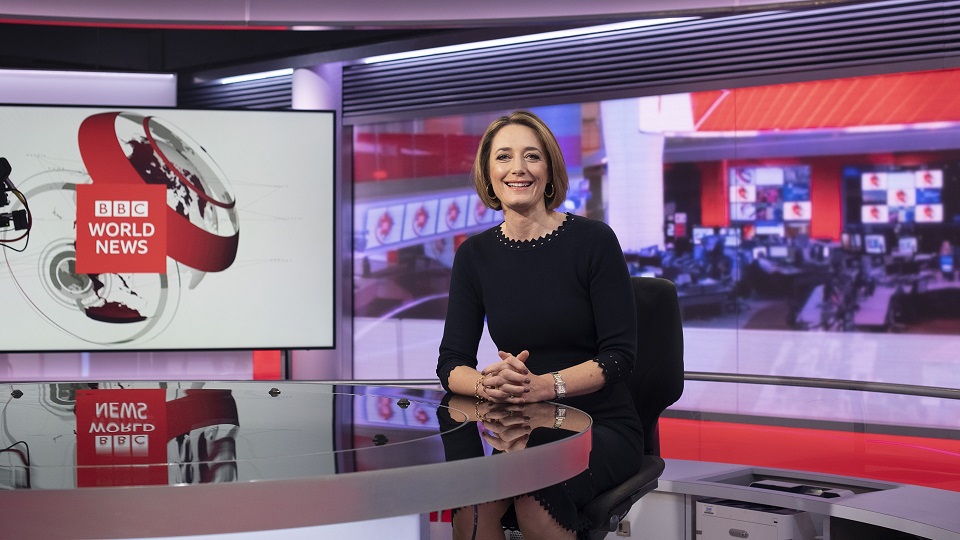
BBC’S flaws on Modi: Continued saga of Neo-imperialism
by Ashna Monga / 26 May 2023Since the birth of India as a democratic state, the western notion of Democracy and knowledge and even the western Political pundits have apprehensions about the success of India’s democratic experiment. From the Prime Minister of the United Kingdom to the President of the United States of America, all predicted the demise of India as a nation-state. This western neo-imperialistic mindset is best reflected in the works of Selig S. Harrison ‘India: the most dangerous decades’. In this work, he claimed that India would be disintegrated into pieces during the 1960’s. India not only survived but came out much stronger. Western philosophers are always shy to call India the largest democratic country. The image of snake charmers is still used by the Western media in general and BBC in particular to represent the Indian state.
Many international reports architectured by the Western powers like the democracy index, human rights index, religious freedom index, global hunger index and many others, continuously try to portray a bleak image of India under the leadership of Modi. The government of India time and again proved this western propagandist indexes factually and methodologically wrong and baseless rather these reports are part of a larger framework to demean India’s democratically elected leadership. Present BBC documentary is no exception to it but a visual hatred propaganda which could be easily spread to hit the minds of common Indians against the current dispensation. The same prejudices and stereotypes of India’s capacity and growing heft in the international scenario is reflected in BBC’S documentary on Modi. It is a direct attack and shrewd intervention in the domestic political and social system of India which should not be tolerated at any cost as it is a challenge to the sovereignty and integrity of India as a nation-state.
A classic example of mediated neo-imperialism in globalised era was the restriction imposed on the then chief minister of Gujarat, Narendra Modi even when allegations against him had not been proven in any court of law. After the riots in Gujarat, a few European embassies in Delhi spearheaded the ‘Boycott Modi’ movement. For many years, even the ambassadors of European Union nations eschewed Modi and Gujarat. Narendra Modi is always being portrayed as an authoritarian leader in a democratic country. When Modi, however, became a recognised national figure, many of them immediately began making quiet inquiries about his potential roles. In the meantime, Gujarat began to draw tourists from various nations, including the Europen Union, owing to the Vibrant Gujarat events and the growth-led developmental model. The alleged ban began to fall apart when the Indian judiciary determined in 2012 that Modi played no part in the riots at all following a thorough investigation. Soon, a number of EU ambassadors began re-engaging with him.
Just to demean Modi and gain political leverage, the opposition has time and again elucidated the BBC documentary but it feels like they are forgetting the past when the same BBC had published posters demeaning Gandhi and Nehru and criticized Indira Gandhi for Bangladesh liberation and subsequent peace pact with Russia. The opposition should understand that this is not merely an attack on Modi but an attempt to detriment the integrity and sovereignty of India. The release timing of the BBC documentary a year before the general election is a blatant way to interfere in the democratic domestic domain of India. It is a sinister design to smudge the reputation of the Indian Prime Minister at a time when India is preparing to host the G-20 Summit and Modi himself is emerging as a key player on the world stage. This type of false narrative in the post-truth globalised era needs to be collectively countered.
BBC’S documentary is a well-planned attack to demean India’s image and India’s leadership. Parallelly it is also an attack on the world’s most powerful judicial system which has given clean-chit to the then Gujarat Chief Minister after an extensive and in-depth judicial inquiry. This is nothing but a continued saga and demeaning the growing power of India under the dynamic and visionary leadership of Prime Minister Narendra Modi. The media fraternity specifically and all of the citizenry in India is now well aware and equipped to dismantle such false propaganda perpetrated by the Western powers with a vested interest to destabilize the political stability in India under the vibrant and inclusive of leadership of Narendra Modi.
The author is Assistant Professor
FREE Download
OPINION EXPRESS MAGAZINE
Offer of the Month