
News Destination For The Global Indian Community


News Destination For The Global Indian Community
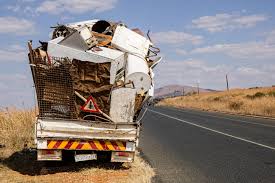
Delhi’s Solid Waste: A Systemic Failure
by Opinion Express / 28 August 2018The Supreme Court asked Delhi’s lieutenant governor Anil Baijal on Friday to consider forming an expert committee to frame a policy on solid waste management in the national capital amid growing concern over garbage being dumped in the city.
There will be no solution to the this problem unless the authorities and citizens come together and take some action.
The complete failure in the management of the Capital’s waste has led the Supreme Court to term the city’s solid waste problem, which it called “alarming” in 2016, to “critical”. Having pulled up the civic authorities, the State and Central Governments, the apex court has now directed its ire at Delhi’s Lieutenant Governor. He has been instructed to constitute an expert committee which would also include members of civil society and RWA representatives to look for a sustainable system to solve Delhi’s garbage problem. Tracing the Capital’s feeble fight against mountains of waste, one may find innumerable statistics, numerous court orders and telling case studies but results on the ground remain elusive. Of the 1,00,000 metric tonnes of solid waste generated in the country every day, Mumbai and Delhi are guilty of producing the maximum. According to the Central Pollution Control Board (CPCB), the garbage produced every day in Delhi increased from 400 tonnes in 2000 to more than 8,700 tonnes in 2015. Today, Delhi generates about 9,000 tonnes of waste daily. The CPCB has estimated the generation of waste to multiply four times by 2030. Even more worryingly, of the 62 million tonnes of waste generated every year, less than 60 per cent is collected and only around 15 per cent is processed/recycled. In essence, a large burden of the city’s waste is borne by landfills. All landfills in the Capital, as also across the country, are saturated and are functioning beyond permissible limits. Yet lessons were not learnt from the collapse of the Ghazipur landfill site which claimed two lives. The failure is also of the municipal corporations and not just the Central and State Governments for not having implemented the Solid Waste Management Rules, 2016. Had the Rules been followed, most landfills would have been shut down. Also, a one-size-fits-all solution which is what depending on landfills alone amounts to, will not work. Opening new landfills as proposed by the Delhi Government will do nothing to tackle the problem.
The solution, however, does not lie just with the authorities getting their acts together. In large part, the problem is compounded because citizens do not follow any solid waste disposal practices. Failure to segregate recyclable and non-recyclable waste at source is the beginning of the problem. In searching for a sustainable system for waste management, the proposed expert committee panel must focus on arriving at a point of unity between the municipalities and citizens to come together to segregate waste. The country’s megacities need to take a cue from smaller cities like Mysore, Panaji and Alappuzha which have taken recourse to a simple solution of recycling at source. Localities too must be held responsible for disposing the waste they generate and the not-in-my-backyard mentality when it comes to the location of small, hi-tech waste collection and processing plants has to be demolished. If you produce it locally, you must be prepared to process it locally too.
Writer: Pioneer
Courtesy: The Pioneer
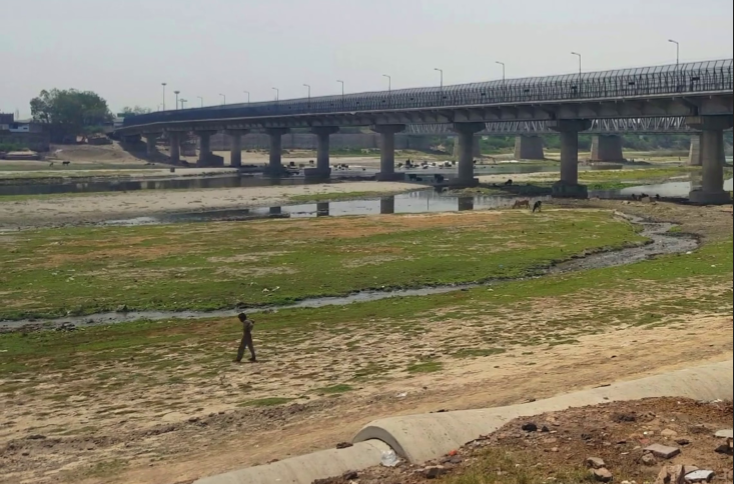
THE SACRED, OR PERSECUTED?
by Opinion Express / 14 August 2018The holy river crying for policy-makers’ attention
The Yamuna river is highly venerated in the Hindu religion and is worshipped as goddess Yamuna, further the river marks its relevance as the daughter of the Sun God and the sister of Yama, the god of death. The river is so holy in Hindu religion, it is strongly believed that bathing in its sacred waters frees one from all sins. The parody is as such that the holy waters of the river is being abused in such a manner that the river is suffering and in connection the lives of the people is getting affected too.
For a long period of time the holy river Yamuna has been the lifeline for Delhi. From a pristine water course that was mesmerised by the Mughals it now meanders wearily loaded with pollutants.
The major cause of pollution of the river Yamuna is basically related to the religious practices that are carried out by the people in day to day lives. Yamuna is a river which passes cities whereby a lot of religious institutions are present like for an instance vrindavan, people in Hindu religion whereby the holy river is thought to be as a place whereby offerings are to be made and this is a general adopted practice by the Hindus.
A recent judgement by the Uttarakhand High Court, the division bench states that rivers Ganga and Yamuna, all their tributaries, streams, every natural water flowing with flow continuously or intermittently of these rivers, as juristic/legal persons/living entities having the status of a legal person with all corresponding.
This judgement by the Uttarakhand High Court has not only mentioned that the river Yamuna is a living entity but also has to protect the river Yamuna.
River pollution is a big menace to the environment and of course human health too, the other factors related to the contribution in the pollution are the Industrial wastes, mixtures of chemicals, heavy metals are all discharged in water and these are difficult to clean up.
It has been observed on the banks of the river people enjoy the call of the nature which adversely affects the river health.
The Yamuna has been sentenced to the harshest treatment by the humans, the Yamuna is a garbage dump for more than 57% of the Delhi waste thrown into it and only 55% of Delhi’s residents are connected to proper sewage system which negates the other 45% of the population which again remains not properly connected to the proper sewage system. According to Centre for Science and environmental Pollution, around 80% of the Yamuna’s pollution is due to raw sewage.
The river pollution leads to number of health problems and disorders in humans. Not only it affects the human life but also affects the aquatic life, leading to the growth of fishes that are unsuitable for human consumption which further results in mass killing of the aquatic life too. Many economic activities are carried out by the people on these water bodies for an instance fishing and there are people whose livelihood depends on the aquatic life. Further it is not only limited to humans and the aquatic life but also animals and birds who drink the water of the river. After drinking the toxic water of the river mostly the animals, birds, humans and aquatic life suffers disorders and result in their death.
In the long term, if the continuous river pollution continues it will be a threat to the biodiversity and also the extinction of some species can disrupt the ecosystem completely, as we are aware about the chains of the ecosystem.
The rivers situation at present is very alarming and people in their references term it to be a huge sewage canal, its water is unfit for human consumption and cannot be qualified for any use, it cannot even support bacteria or any aquatic life.
At present the government has spent hundreds of crores Indian rupees in the cleaning of these rivers but still the river still remains to flow dirty.
Yamuna enters into Delhi at Wazirabad barrage, it is reflected in the picture P.1, the water stored in left beaker is the water of Yamuna before entering Delhi and the water stored in the right side of the beaker is the water of Yamuna after entering Delhi.
It seems that human activity is the major cause by which the river Yamuna is killed, the colour of the water has turned completely black which contains heavy metals, toxic metals, pesticides and nuclear wastes and which results in destruction of the properties of water, the oxygen level of the Yamuna water remains to be zero.
The very first solution of this problem has been mentioned in this article itself whereby it is important to know the stakeholders to the particular issue, once the stakeholders have been identified the responsibility of the cleaning of the river Yamuna can be shifted to them.
Dozens of countries have established regulatory bodies for instance in some states of U.S the regulatory bodies are public Utility Commission, in england and Whales a regulatory body was created OFWAT in 1989, and many countries choose for privatization for the concern of water management which India should also implement.
The another is “awareness”, once the government is successful in creating the awareness that the river contributes a lot to the people and it is their duty to protect it the pollution level will go tremendously down. The government should formulate policy by making field research and identify the polluters and apply the concept of Polluters Pay Principle.
(Ankit Kishore is a law student School of Law, KIIT University)
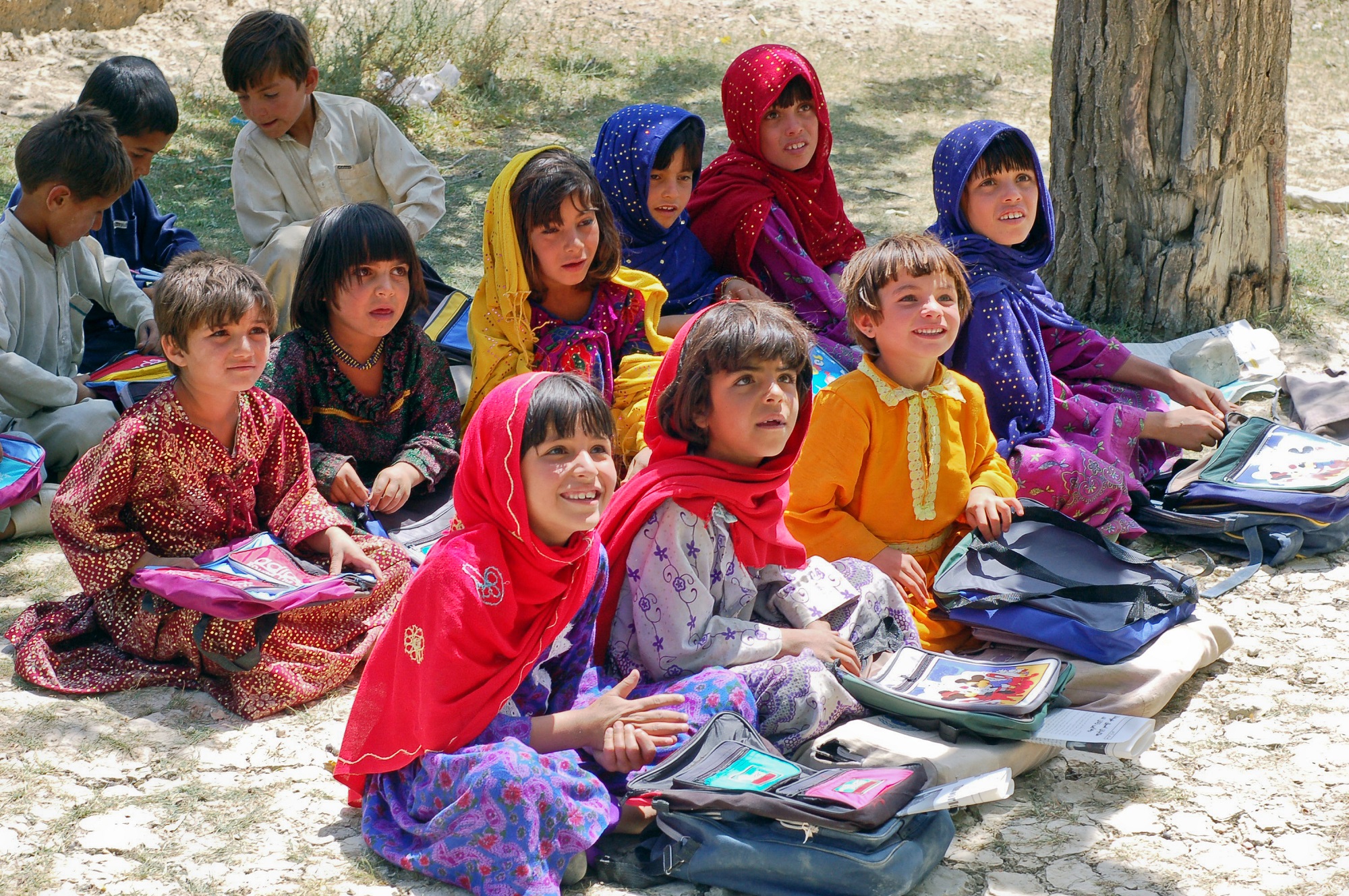
Innovative Approach Needed to Retain Children in Schools
by Opinion Express / 08 August 2018Game-changing initiatives will not only attract children to schools but also help retain them.
With more than 1.5 million schools spread across the country, India has one of the most diverse and complex educational systems in the world that is besieged by myriad problems. Though strides have been made since 1947, a particularly persistent issue has been with enrolment and getting kids to stay the whole distance in school. That’s where of late many governments and school administrations have shown the way by adopting innovative models to reach out to children. One such example has been set by a school in Telangana, which has modeled its infrastructure for the classrooms to look like a train which has stopped at a railway station. The programme, titled, ‘Telangana Express’, a CSR initiative, has been a hit in the State as it has already made a huge difference in preventing kids from dropping out. There is pressure on parents not to pull them out from the kids themselves who love going to their ‘train school’. Pockets of innovation have also sprouted in other States. Many schools have opted for a holistic approach by making their classrooms in an environment-friendly ambience with a flexible schedule. No more are Indian schools only a place for learning by rote. Slowly but steadily, focus on the judicious use of technology in pedagogy is increasing.
Yet, the data captures some troubling trends with respect to school enrolment, drop-out rates and transition rates in education. According to latest ASER report, India has seen high enrolment rates of over 96 per cent in the past eight years at the primary-school level. This means that there has been a substantial increase in the number of children who would presumably at least acquired basic reading and writing skills. This would not have been possible without effective implementation of the RTE Act that provides for free and compulsory education for children till Class VIII and credit must be given to successive governments at the Centre and in the States. But beyond this stage, the trouble starts. The same ASER report pointed out that at the secondary level (after Class VIII), there has been an increasing trend of drop-outs. This means that enrolment in schools does not necessarily translate into attendance and transiting to a school-leaving degree. Worryingly, a large number of students drop out after reaching adolescence due to family economic hardship, lack of interest, lack of proximity to the school, lack of proper training for teachers and infrastructural facilities among others. In many States, unfortunately, girls are still more likely to dropout of school than boys given our societal structures and the ‘role of women’ thrust upon them in the main.
Policy interventions on the part of Government have helped, of course. Take for example the case of Bihar where schools gave bicycles to female students to reduce dropout rates at the secondary and higher secondary levels. The mid-day meal scheme is yet another incentive that has helped in the enrolment of children but shabby implementation has meant that retentions rates have not match enrolment rates. Schools have to welcome innovation to both attract and retain students. To do that, we need to provide both private funds through CSR and public funds through the exchequer. We can make a start by allocating six per cent of GDP to education. But is anybody listening?
Writer & Courtesy: The Pioneer
Climate Change Needs Our Attention
by RK Pachauri / 27 July 2018The only way to make sure we create weather conditions that seem peaceful is by doing something about the climate change. If we let the situation be, the nature’s response will be devastating.
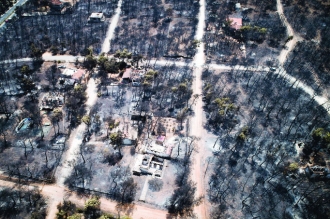
There are dangerous weather events taking place worldwide. The most tragic occurrence which has just taken place this week is the infernal wildfire in Greece, leading to over 80 estimated deaths in that island nation where many people had to plunge into the sea to escape the raging flames. Northern California is yet another region which has suffered from wildfires over the last several years, leading to major economic damage and destruction as well as dozens of deaths. Even now there is a serious fire engulfing parts of the iconic Yosemite Park with the prospect of spreading rapidly. In 2017, there was a huge fire in Portugal which destroyed vast areas of forests and led to 60 deaths. On that occasion Portugal’s Prime Minister António Costa described these fires as “the greatest tragedy we have seen in recent years in terms of forest fires”.
While much of Japan, parts of Europe, including the UK, and various locations in North America are suffering from record high temperatures, the countries of South-east Asia, including Laos and Vietnam, are suffering from monsoon floods with tragic loss of life and property. Japan is undergoing a terrible emergency with record high temperatures in a prolonged heat wave which has been responsible for several deaths across the country. In the People’s Republic of China, certain parts are suffering from heavy floods as a result of extremely heavy rainfall. Some time back, it was reported that a hundred people were feared to have been buried in a landslide in a location in Southwestern China. The floods currently creating havoc across China are reported to have killed 50 persons and more than a million have been displaced.
Those parts of the world, which have escaped the fury of these frequent and intense extreme events, do not have reasons to feel secure because as the Intergovernmental Panel on Climate Change (IPCC) clearly found, there is no location on earth which is immune to the impacts of climate change, which are now, as clearly projected by the IPCC, being subjected to widespread and severe extreme events. Last year’s hurricane season caused massive destruction in the Caribbean region and North America, including vast areas in the city of Houston,Texas, which were under water for several days. Of course, it is the poorest and most deprived communities, in both the richest and poorest nations, who are the worst affected as a result of these events, since they lack the infrastructure and institutional capabilities to cope with disaster. And, the world has so far done very little to enhance their ability to adapt the impacts of climate change.
While the current US Administration is rolling back even the inadequate policies and regulatory measures which were introduced earlier to reduce the emissions of greenhouse gases (GHGs), the Pentagon, in a series of reports over the past few years, has highlighted the security risks resulting from the impacts of climate change. In a study published earlier this year, the Pentagon stated that wild weather could endanger half of the US bases worldwide and extreme weather could endanger 1,700 sites. This would include large bases to smaller outposts in different parts of the world. Based on a detailed survey carried out by the US Department of Defence, the report came to the conclusion that “changes in climate can potentially shape the environment in which we operate and the missions we are required to do.” It went to the extent of taking the view that “if extreme weather makes our critical facilities unusable or necessitates costly or manpower-intensive workarounds, that is an unacceptable impact”. The detailed study, which surveyed all the US military installations worldwide known to number more than 3,500, is a timely confirmation of several studies that have been carried out by or on behalf of the Pentagon for several years now.
There are now compelling reasons why the world must mitigate the emissions of GHGs on a war footing. If we do not, then wars, which we all hope will not take place in future, could be lost due to the impacts of climate change. What is even more significant is the fact that the impacts of climate change could have devastating results far worse than the damage that large wars can produce. A significant example is provided by the island of Puerto Rico, which was completely devastated last year by Hurricane Maria, and which knocked out the entire power supply system of that island and disrupted the supply of water, with thousands of persons losing their lives.
The Paris Agreement on climate change set a goal of reducing the emissions of GHGs to a level which would ensure that by the end of the century, temperature increase would not exceed 2oC. Currently, the trajectory of emissions is such that the 2oC limit would be exceeded by far, and in any case, even if this goal was achieved, sea level rise would continue for several centuries which endangers the existence of many small island states, the Caribbean region and mega deltas were cities like Shanghai, Dhaka and Kolkata would be in grave danger.
The world has to move rapidly to low carbon sources of energy and move away from the use of fossil fuels. Human society would also need to bring about major changes in lifestyles, which need to move towards a far less wasteful society than we have today. These changes would involve a curb on senseless consumerism and dietary changes apart from the use of sustainable forms of transport. In the case of food and diet, the world will have to reduce the consumption of beef which is associated not only with very high levels of carbon dioxide emissions but is also intensive in the use of water. Besides, health reasons suggest a move worldwide to lower meat consumption.
If we wish to create conditions for peace across nations, then we need to treat climate change action and mitigation as the moral equivalent of war. If not, then the collective war which we have waged on nature would invite a devastating response that would give us no peace on earth. The assault we need to mount is on ignorance and vested interests who prevent a move away from wasteful consumerism and an addiction to fossil fuels.
(The writer is former chairman, Intergovernmental Panel on Climate Change, 2002-15)
Writer: RK Pachauri
Courtesy: The Pioneer
Water Crisis in India: Let Professionals Take Control
by Ajoy Kumar / 20 July 2018Instead of seeking help from elected representatives, it would be ideal to come up with a solution to India’s water crisis by allowing professionals to tackle the threat.
A popular Hollywood film, Mad Max: Fury Road, is based in a post-apocalyptic world where there is a dictatorial, brutal leader who reigns over his subjects with an iron grip. This leader called Immortan Joe exercises control over his subjects by establishing a grip over the water supply. This post apocalyptic world is a product of ‘water wars’ where brutalities are suffered and inflicted over water. While this may seem to be a world relegated to the realm of fantasy and fiction, the fact is that India is dealing with an acute shortage of water which could make reality much closer to fiction than we fear.
To better understand the water crisis, we must first accept that we are facing a crisis. The fact that we are surrounded by water may give an impression that all the talk of a crisis is just a paranoia, but we couldn’t be more mistaken. Humans primarily rely on ‘fresh water’ for their survival. In terms of numbers, only 2.5 per cent of the earth’s water is fresh water and out of this 2.5per cent, two per cent is water that has been locked in polar ice caps and glaciers. That leaves all the people on the earth with about 0.5 per cent of fresh water. We use this water for drinking (about 10 per cent), for industries (about 20 per cent) and for agriculture/production of food (around 70 per cent). Eighty per cent of the water, therefore, is effectively used for drinking or putting food on our table.
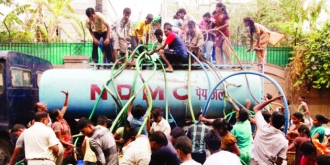
Current state of affairs: It is shameful that this year, there is not a single Indian city that is capable of providing potable water from its tap. This is why close to 163 million Indians have no access to clean drinking water and India finds itself at the top of the list of countries with the worst access to clean water. As per NITI Aayog’s report, India is placed at 120th amongst 122 countries in the water quality index. Frighteningly, approximately 600 million Indians face high to extreme water stress and close to two lakh people die due to inadequate access to safe water every year. Further, the report stated that in 12 years, 40 per cent of the population will have no access to drinking water and by 2020, 21 cities, including New Delhi, Bengaluru and Hyderabad, will run out of ground water. Groundwater is the primary source of water in most cities and the looming crisis, which is less than two years away, will affect close to 100 million people. Therefore, the talk of a ‘looming’ crisis is reckless because the fact is that we are in the midst of a water crisis, as we speak.
The way States are equipped to deal with this crisis does not inspire much confidence either. The NITI Aayog has ranked all States in India on 28 different indicators which covered various aspects, including groundwater, restoration of water bodies, irrigation etc. On the basis of these rankings, my home State, Jharkhand, disappointingly languishes at the bottom. The BJP Government in the State and Chief Minister Raghubar Das, however, do not consider this ranking as an insult. The situation is bound to get worse if we do not act with alacrity because India’s population will continue to grow and our farmers will not have the requisite resources to produce anywhere close to the amount of food required by our burgeoning population.
Reasons behind the crisis: The problem essentially is of demand and supply. There is a massive demand for water. And by 2030, it is estimated that the demand for water will be twice the available supply, which could result in a loss of six per cent to the GDP. What does not help matters is unrestricted pollution that has affected our water sources. Even the Ganga, which has immense religious and sentimental value, is so polluted that a task force has been set up to clean it. To make matters worse, if factors such as a growing population and reduced rainfall are added to the mix, it begins to increasingly look the perfect recipe for a disaster.
Way forward: There is a growing recognition that a crisis is in the offing which has prompted steps such as armed guards being stationed at reservoirs or trains being used to transport water to drought-affected areas. These actions, however, are reactionary in nature and serve as palliative measures. What is needed instead is a more coherent and professional approach. Unfortunately, I believe, the Government and the bureaucracy may not have the requisite expertise or bandwidth to tackle this crisis. Therefore, I submit that we would be better served by allowing experts, professionals to tackle the threat of a dry, thirsty country instead of expecting our elected representatives and bureaucrats to be the panacea to our water troubles. Of course, any course of action that expects to be effective, requires the support and backing of the Government but that does not necessarily mean that the initiative should be led by individuals who do not have the requisite information or expertise to deal with the crisis.
There are examples from our past that lend support to such an approach. India’s world renowned nuclear programme, for example, was largely born out of the genius, craft and dedication of Homi Bhabha, the father of India’s nuclear programme. It was Bhabha who while working at the India Institute of Science convinced Pandit Nehru of the importance of starting a nuclear programme and wrote to Nehru saying: “The development of atomic energy should be entrusted to a very small and high powered body composed of say, three people with executive power and answerable directly to the Prime Minister without any intervening link.” This proposal was accepted by Nehru and led to the establishment of the Atomic Energy Commission with Bhabha as its first director. Another example where India has benefitted from the expertise and intellectual capital of its citizens rather than purely relying on State actors is the ‘White Revolution’ whereby dairy farming became India’s largest self-sustaining industry under the leadership of Verghese Kurien.
Of course, I am not suggesting that the Government and the bureaucracy should abdicate responsibility from tackling the impending water crisis. Instead, the best way forward is for the Government to enable an independent body comprising of experts in the field of water conservation and policy to be allowed to do what they are good at without any fear of interference or red-tape. All these efforts must be supplanted by efforts of the Government and the citizens of the country. Let’s not forget that each and every one of us has a role to play in restricting the impact of this impending crisis by being responsible with our use of water. If we do not act with the swiftness that this situation demands, I fear that the Hollywood description of the ‘water wars’ will be looked back upon as far too timid.
(The writer is Jharkhand PCC president, former MP and IPS officer. Views are personal)
Writer: Ajoy Kumar
Courtesy: The Pioneer
India Making Headway With Carbon Footprint Reduction Goals
by Kota Sriraj / 12 July 2018India has made great progress towards achieving a low-carbon economy. Further onward movement is contingent on the implementation of plans.
According to the latest World Bank report, India has doubled its Gross Domestic Product (GDP) within a decade which stood at $2.597 trillion at the end of 2017. Amid the Asian bigwigs like China slowing down, India is bending the odds by posting impressive growth. According to a report by The International Monetary Fund (IMF), India’s economy is projected to grow by 7.4 per cent this year and 7.8 per cent in 2019. This stellar performance has powered our country ahead of even France which got relegated to the seventh position as per the World Bank report. These developments are heartening and instill pride in us as Indians, but the cost at which this progress is being posted is too steep. The very same cities that are the engines of growth are sinking with crumbling infrastructure and rising emission levels that are slowly rendering places unfit for human habitation.
What ails our cities? Pretty much one would say. According to the report, carbon footprints of 13,000 cities, as of June this year in the National Capital Region of Delhi has the highest annual carbon footprint in the country. In fact, Delhi’s annual Co2 emission of 69.4 million tonne is equal to the Co2 emission of Bengaluru, Hyderabad and Chennai put together. When it comes to per capita CO emission, Chandigarh and Vadodara are far ahead of the rest with 3.9 tonne and 3.5 tonne respectively. Riding on the backdrop of increasing Co2 levels, extreme weather events have already started affecting Indian cities with frightening frequency. The report estimates that a record 360 million people will be exposed to extreme heat in 142 Indian cities by 2050 if rapidly rising Co2 levels and global warming continue. Temperatures in three Indian cities — Chennai, Mumbai and Delhi — in the last five decades have already seen a steady rise. In Chennai alone, temperature has increased by an astonishing 0.9°C since 1960-70.
The link between carbon emission and heating up of the world has been long established. The cities, which will emit more Co2, will see a faster rise in temperature as more Co2 concentration in the atmosphere means intense absorption of solar heat. Given this, the plight of the Indian cities can only get worse from the current position unless some radical measures are taken to drive down the carbon emissions. By 2030, Indian cities will produce 70 percent of the country’s wealth and be home to 590 million inhabitants. This will put additional burden on the environment as carbon emissions will surely rise unless decarbonisation strategies are implemented immediately.
The Government has been aware of the spiralling levels of emission. To curb the same, it has announced an ambitious target to make all new vehicles to be electric by 2030 — starting with taxis, e-rickshaws and buses and eventually, private vehicles. This by itself will reduce vehicular emissions, improve air quality and reduce dependence on foreign oil. But in practice, it sees like a lofty plan that has not accounted for some difficult challenges such as how the cities will negotiate the rise in vehicles with the implications on other urban objectives — such as exacerbated congestion and the need for an increased share of public transit. This proves that policy making and announcements must not dwell upon easier matters at hand. They must strive to solve complex issues and challenges first.
A sector-wise revamp is one method to achieve rapid decarbonisation of our cities. Residential emissions, transport emissions and commercial emissions must be identified and controlled. Limiting the registration of new vehicles or making registration of the same very expensive like Singapore can dissuade new vehicle purchases. Similarly, a cap can be put on how many new models vehicles a manufacturer can launch in the market. This will curtail rampant purchases. Instead, the vehicle manufacturer must be given full freedom and incentive to launch vehicles on renewable energy. These measures alone can contribute majorly towards reduction in carbon footprint.
Similarly, residential sector must be made aware of the grim situation in our cities due to the spiralling emissions. They must be encouraged to adopt energy-efficient appliances and buildings. The process of awareness and eventual adoption of the energy saving measures may take time and seem like an uphill task, but when sufficient traction is achieved, the benefits of the same travelling by word of mouth will themselves turn the decarbonisation drive into a full-fledged movement. A notable aspect here is that most of the people in our cities reside in multi-storied complexes without access to a terrace. This limits the option to set up solar panels for energy generation and hot water. This issue must be solved by the Government and RWAs. They must come together to ensure that every building has a common solar solution installed that provides benefits to all residents and in turn not only uses the idle space of the terraces across the city but also reduces carbon emission by reducing dependence on conventional coal based power.
Solutions towards a carbon emission free environment are many, the intention and implementation have to be present.
Writer: Kota Sriraj
Courtesy: The Pioneer
Environment Disaster Looms Large
by Hiranmay Karlekar / 06 July 2018The forecast for climate change as a global concern paints a grim picture. If people do not act with earnest, it can snowball into a worldwide disaster soon.
According to a report by Archana Jyoti in a recent issue of The Pioneer, the latest World Bank report, titled “South Asia’s Hotspots: The Impact of Temperature and Precipitation Changes on Living Standards”, has an ominous message for India. Defining a “Hotspot” as a location in which changes in average temperature and precipitation will have a negative impact on living standards, the report says that hotspots are necessarily zones where temperatures are higher than those in the surrounding areas and which also reflect the local population’s socio-economic capacity to cope with climate change.
According to the report, by 2050, unchecked climate change, causing high temperatures and poor rainfall, would diminish the living standards of half of the county’s population, particularly farmers in Central India. The report further says that by 2050, Chhattisgarh and Madhya Pradesh will be the country’s top two States in terms of the number of hotspots in them.
Both are likely to experience a decline of more than nine per cent in living standards, followed by Rajasthan, Uttar Pradesh and Maharashtra. The Vidarbha region of Maharashtra, according to the report, would have seven — Chandrapur, Nagpur, Gondiya, Wardha and Yavatmal — of the 10 worst-hit of the country’s hotspot districts.
The report scripts a grim scenario. India’s average temperature is expected to rise by one degree to two degrees centigrade by 2050 even if preventive measures are taken along the lines of those recommended by the 2015 Paris Agreement on climate change. Without measures, the increase will be between one-and-a-half and three per cent. About 600 million people will be affected if the report’s prediction comes true, the likelihood of which is very considerable. There are other indications that climate change has begun taking its toll on India. The retreat of the Himalayan glaciers is one of them.
A joint research of scientists from Kumaun University, Uttarakhand Space Application Centre, Dehradun; and Indian Institute of Science Education and Research Kolkata, have found that the Pindari glacier, which feeds the Pindar River, a major tributary of the Alaknanda River, has retreated cumulatively by 1,569.01 metres over the four decades, which means an average retreat rate of 51.23 metres each year.
A team from Indian Institute of Science Education and Research (IISER), Pune, reported in Annals of Glaciology in 2016, that the lengths of 43 Himalayan glaciers, including the Pindari, had changed between 1850 and 2010. Referring to the Pindari glacier, their report stated that the retreat had amounted to a total of 3.08 kilometres from 1850 to 2010. This indicates an increase of 30 metres each year against the Pindari glacier’s 51.23 metres. Clearly, there has been an acceleration during the last four decades.
Another study by scientists from Indian Space Research Organisation and geologists from Andhra University, Visakhapatnam, has shown that the Khatling trunk glacier, which feeds the Bhilangna river, a tributary of the Bhagirathi, has retreated by 4,340 metres between 1965 and 2014, besides increasing the number of glaciers fragmenting from it from 20 to 33. The Himalaya being the source of water in the case of the Ganges and the Brahmaputra, the retreat of the Himalayan glaciers has serious implications for water supply and storage in the region.
This, in turn, has serious implications for agriculture in the entire region spanning the basins on both rivers stretching over almost the whole of northern and central parts of the country. What this means for living standards of farmers and all others involved in the distribution of farm inputs (fertilisers, for example) and products hardly needs elaboration.
Nor can there be any doubt that the continuing retreat of the glaciers is a result of global warming. According to the IISER report, the Himalaya and Karakoram ranges have warmed up by 1.5 degrees Centigrade between 1850 and 2010. The question is: What is to be done?
One needs to remember here that climate change is a global phenomenon and the prognosis is grim worldwide. A report titled The Global Climate Change Regime by the United States-based Council on Foreign Relations’ International Institutions and Global Governance Programme, cited, in 2013, the American Meteorological Society as mentioning a 90 percent probability of global temperatures rising by 3.5 to 7.4 degrees Celsius in less than 100 years, with even greater increases over land and the poles.
The consequences would include rising sea levels, drowning of island nations, extreme and volatile weather patterns, desertification, diminishing food production, famine, water shortages the flooding of cities, mass migrations of humans and other living species, creation of climate refugees, extinction of plant and animal life, mass destruction of forests, and a situation in which playing and working in the open could be dangerous for people in the hottest parts of the year. The worst victims would be the poor who would be the hardest hit both by rising food prices following declining production and intensified weather disasters.
The Paris Agreement on climate change raised hopes that at least some action would follow. Unfortunately, the United States’ withdrawal from the Paris Agreement has dealt a severe blow these. While, one needs to see how damaging its impact will be. India needs to focus on what it can do. Curbing the emission levels of Greenhouse gases is important and efforts in that direction need to be accelerated. The same applies to the transition to more environment-friendly sources of energy like solar power. The civic bodies could play an important role in this by switching over to solar street lighting.
Unfortunately, the most important cause of global warming, increase in human activity, is not being attended to. A survey, published in The Environment Research Letters, found that 97 percent of scientific studies on climate change concluded that human activity, due to the consumption of fossil fuels, was causing global warming. India is sitting on a population bomb. Its population,40.9 crore in 1955, rose to 100.3 crore in 2018 (latest figures). Surpassing China’s as the highest in the world in 2021, it is set to rise to 170.5 crore in 2050.
It is not difficult to visualise what impact increasing population, leading to increasing activity, would have on global warming. Worse, very little is being done worldwide to counter the continuing phenomenal increase in world population, which is set to rise to over 10 billion by 2060.
This is hardly surprising. As early as 1967, Desmond Morris had written in The Naked Ape: A Zoologist’s Study of the Human Animal, “At the end of the 17th century the world population of naked apes [humans] was only 500 million. It has now risen to 3,000 million. Every twenty-four hours it increases by another 150,000. ….In 260 years’ time, if the rate increase stays steady — which is unlikely — there will be a seething mass of 400,000 million naked apes crowding the face of the earth.” He adds, “To put it another way, the densities we now experience in our major cities would exist in every corner of the globe. The consequence of this for all forms of wildlife is obvious. The effect it would have on our own species is equally depressing.”
People who do not act against a looming disaster are fated to be consumed by it.
Writer: Hiranmay Karlekar
Courtesy: The Pioneer
A Dark Cloud of Pollution Over Gurugram
by Kota Sriraj / 05 July 2018India’s biggest cyber and MNC hub has pollution to offer, thanks to the diesel gensets. If the people there are to stay healthy, something needs to change.
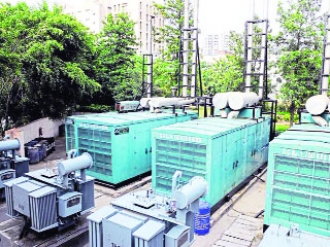
A recently released report by the Centre for Science and Environment (CSE) revealed that the use of diesel gensets (DG sets) in residential societies across Gurugram was responsible for increasing the air pollution in the city by as much as 30 per cent. The CSE report further stated that PM2.5 and PM10 levels significantly rose due to the use of diesel gensets and lasted up to one hour after they were switched off. It also found that when gensets were used for several hours, the rise in PM10 was 50 per cent to 100 per cent higher than what was registered before these were switched on. Pollutants also reportedly remained in the air far longer.
Sustained use of gensets for eight hours or more in a day led to a situation wherein PM2.5 levels breached the 300-mark while PM10 levels were at 1,900. Thanks to erratic power supply by the State Government and the unfortunate choice of DG sets by residents desperate to bridge the demand supply gap, everybody is doomed as pollution levels have spiked up by nearly 15 times of the safe levels during peak demand period. Ironically, the users of these DG sets, especially in housing societies and multi-storeyed complexes, are also the first one to suffer due to pollution emitted by these DG sets making the children and elderly vulnerable. Those with respiratory problems become risk-prone as well.
Dubbed as the millennium city, Gurugram has always been the example cited for extreme commercial progress in the backdrop of severe infrastructure failure. The residents of the satellite city to Delhi are always on tenterhooks for power and water as the absence of one is usually followed by the disappearance of the other.
A surprising aspect is the attitude of successive State Governments which, in spite of earning good tax revenues, have been unable to channelise anything towards its infrastructure planning and development. All ambitious policies remain confined to paper. As a result the citizens are left to their devices, leading to short-term and quick-fix solutions such as DG sets which are nothing short of an environmental disaster.
For instance, Haryana’s Renewable Energy Department (HAREDA), in 2016, asked large industrial and commercial establishments to install solar panels on their roofs so that they can use the power generated from solar energy instead of diesel sets. However, this order was not applicable to residential buildings. This omission is now costing dearly to the fragile ecology of the region.
Additionally, to make matters worse, the CSE report found that big commercial buildings are not fully compliant with the HAREDA order as only five per cent of commercial establishments followed the directive while the rest 95 per cent are yet to do so.
This means that, in addition to the scores of residential highrises teeming with people that are dotting Gurugram, the balance 95 per cent of commercial buildings are now relying on DG sets to satisfy their power needs.
It is worrisome that there is no foolproof audit mechanism in place for solar power buildings as well. This means that quality and efficiency parameters for solar power set-ups may not be up to the mark, making them just a formality to satisfy the Government regulation and possibly to derive solar power sops and benefits pertaining to property tax filing and so on.
The authorities in Haryana have long taken the benefits of the city that is so well placed geographically with the airport within half an hour reach, making the city a favorite for business houses and multi-national corporations to quickly set up their offices. But this long-term inability of the Government to provide basic power and water to its residents and even motorable roads in some areas is embarrassing for India compared to the international business community.
Attracting foreign investment through jazzy Press events, swish e-portals and apps is not the only thing to do for the authorities. The Government must focus on the experience of the investor as he steps on the ground level.
How well the people live and prosper and how well the environment is taken care of shows the Government’s sensitivity towards the environment and its own people. Even after decades of development, nearly 70 per cent of the people in Gurugram depend on ground water in absence of piped water supply. Add to this the sewage situation is also in dire straits.
These facts prove one thing about India: That it is a country interested in profits and not in the welfare of its people or its environment. This image has to change fast and no one else can do it better than the present Government which has both the resolve and the mandate to undo the damage of decades and turn Gurugram around.
(The writer is an environmental journalist)
Writer: Kota Sriraj
Courtesy: The Pioneer
Academics on Scrapping UGC: Politicians should not get involved in Education Matters
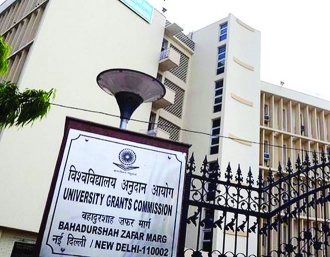
by Opinion Express / 29 June 2018The National Democratic Alliance on Wednesday announced its ambitious plan to reform higher education in the country. The Human Resources Development Ministry, headed by Prakash Javadekar, announced that it has drafted a bill titled ‘Higher Education Commission of India (Repeal of UGC Act), 2018’, which plans to scrap the University Grants Commission and replace it with a ‘Higher Education Commission’.
Education is one sector which needs to mutate as knowledge sources and their application become more varied and complex in probing times and the regulatory systems or norms, therefore, need to rise above orthodoxies and become dynamic. The HRD Ministry has done just that by preparing a draft Act that will scrap the UGC with a new all-pervasive Higher Education Commission of India. According to the proposals, which HRD Minister Prakash Javadekar has left open to amendments, the new panel would solely look into academic matters and uniformity of standards in providing quality instruction. Monetary grants would be the purview of the ministry so that the expert commission would be free of bureaucratese and instead concentrate on things that matter — mentoring institutions, ensuring meritocracy, encouraging research, standardising the quality of training, identifying bogus institutions, monitor faculty benchmarks and, in short, ensure autonomy of institutions. Higher education in India is indeed in a grave crisis mode as universities in our hinterland, too, have made it to the global index whereas, except IITs, none of our institutions are in the wanted list. If recent entrance test results to advanced courses are any indication, then the meritorious performances are a dismal ratio and need a quick fix. The rote learning method needs to be eliminated and replaced by one that assesses comprehension and application of acquired knowledge. Our students need to be skilled and industry-ready and capable of driving innovation, rather than becoming formulaic clones. Other countries like UK and the Australia have already moved to independent commissions of higher education.
Absolutism of the UGC has had many casualties. Vice-Chancellors have had to be at the beck and call of an official for routine fund clearances, leave aside seeking one for innovations. A performance-linked funding pattern that would encourage competitive scholarship, was never considered. UGC has not quite been able to attract world-class faculty to teach at Indian universities in a visiting capacity. We have not been able to benchmark ourselves internationally as an education hub the way we have in the health sector, medical tourism now being the most sought after. Even China has worked towards evolving a strong university culture that is attracting students from across the world, particularly the region. The UGC’s ad hoc system of rewarding research, based on academic performance, rather than subjecting it to expert reviews, have discouraged path-breaking thought. Besides, there is a multiplicity of authorities for technical education, be it the AICTE and for medical courses MCI, that often run at cross purposes and add to the confusion with overlapping functionalities. Of course, it is brave of the Modi Government to push through well-intentioned reforms that have been in the lab since UPA days. But it has practical challenges to meet. Will the higher education reforms be effective enough without an overhaul of the National Education Policy? This would make the new move look knee-jerk. Then there is the task of keeping it apolitical. By subjecting matters of appointment in leadership positions at all universities, even if they are established under state law, to the panel may invite tendencies of favouritism, which is a thin line to walk. Even if you free up teachers, can politicisation of students be tamed? Most importantly, the assessment system itself has to be graded and appropriate experts brought in to understand premium quality of elite institutions, which need to be given more room for autonomy. Most important though is filling up teaching vacancies in Central universities across the country, including the prized AIIMS. Some varsities in far-flung states have a shocking gap of faculty vacancies by over 50 per cent. Can an ecosystem be developed at institutions set up in backward pockets that will be attractive enough to draw in quality teachers in the first place? These grassroots issues need to be addressed on an emergency basis too.
Writer: Pioneer
Courtesy: The Pioneer
Germany and Five Other Nations taken to Europe’s Highest Court Over Air Pollution
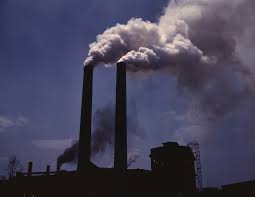
by Adil Husain / 18 May 2018The UK and five other nations, France, Germany, Hungary, Italy and Romania, have been referred to Europe’s highest court for failing to tackle illegal levels of air pollution. The European court of justice (ECJ) has the power to impose multimillion Euro fines if the countries do not address the problem swiftly.
The Commission, the European Union’s executive arm, gave the six, also including Italy, Hungary and Romania, a last chance in January to take the required steps to improve air quality after years of warnings.
However, EU Environment Commissioner Karmenu Vella told a press conference in Brussels the six, which include Europe’s top four economies, had not acted quickly enough.
“The commission had to conclude that … That the additional measures proposed are not sufficient to comply with air quality standards as soon as possible, and therefore are being referred to court,” Vella said.”We cannot wait any longer,” Vella said, warning that Brussels may end up waiting several more years before the countries put measures in place.
Vella had also given Spain, the Czech Republic and Slovakia a last chance in January to start complying with EU standards and decided to give them a reprieve.
“The measures that are planned or being put in place appear to be able to tackle (exceeded limits) if they are fully and immediately implemented,” Vella said.But he warned the commission was keeping the three under review.
In January, the nine countries were found to regularly exceed emissions limits set to protect Europeans against particulate matter and azote dioxide, both pollutants.The EU estimates that air pollution costs the bloc 20 billion euros (USD 24.7 billion) a year in health costs, but says this could be reduced if member states comply with agreed emissions limits.
Writer: Adil Husain
Courtesy: The Pioneer
No Stopping The Haze
by Opinion Express / 28 September 2017Global Warming, Pollution Myth & Realities?
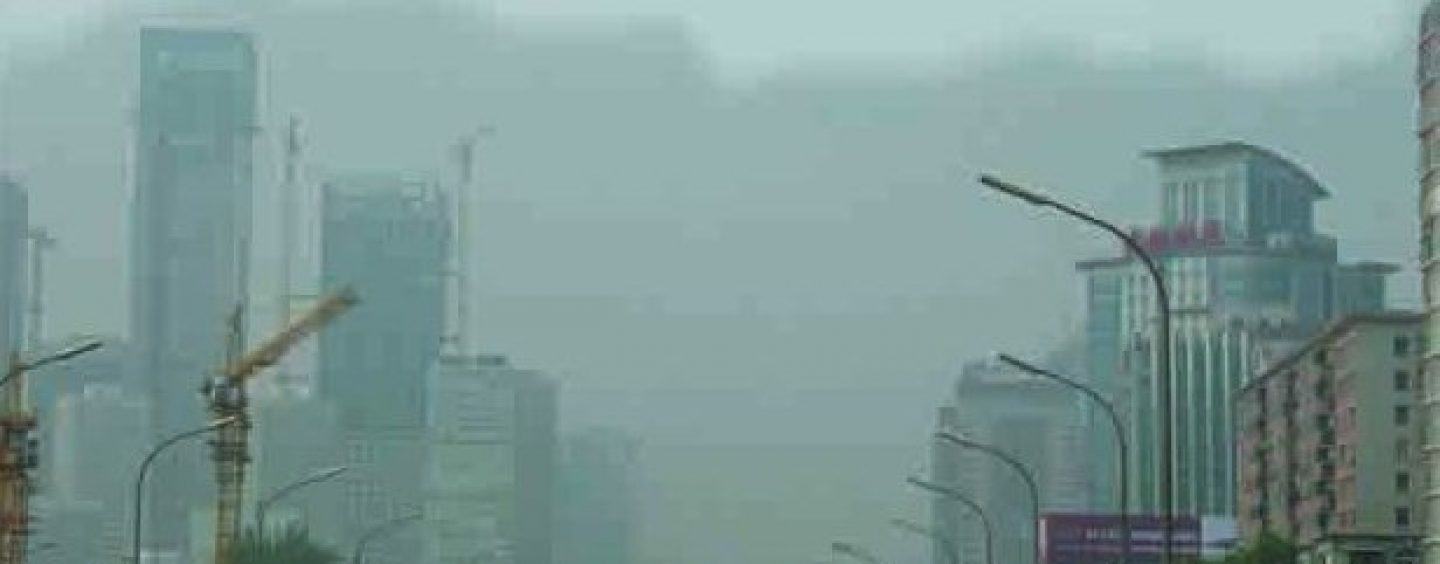
The Ghost of Global Warming is haunting every citizen and the media is consistently drawing attention of all those who matter. But so far the ground realities are concerned both the State Governments and the Central continue to abuse the nature left right and center. During sixties in India it was a case of nature against mankind as we as a Nation had to face furry of floods, droughts and natural calamities that aggravated poverty, hunger. Now it is a case of mankind against Nature.
Today’s Planners i.e. Political class and bureaucrats plan massive projects while sitting in Air Conditioned Chambers based on DATA that is invariably outdated and cannot be relied upon. The reasons for such a blunder are that the DATA picked up at the time idea is conceived it is already almost three years old. By the time the plan is prepared the DATA becomes six years old and by the time the plan reaches drawing boards it is older by 9 years and when the actual execution starts the same is aged about 15 years.
It is shameful that both the Apex Court and Central Government are at logger heads on the issue of the powers to protect the forest areas between the?Central Empowered Committee (CEC)
constituted by the Apex Court and?Forest Advisory Committee (FAC) constituted by the Central Government?under the Ministry of Environment &?Forests. The media has reported very ?recently that FAC had accorded approvals to many ill conceived projects?in the Forest Areas without applica?tion of mind. It may also be worth?while to note here that despite presence of Supreme Court Monitoring?Committee in Dehradun Mussoorie? Valley massive deforestation has taken place and forests continue to be ?erased. It is matter of record that the?Apex Court had ignored the recommendations of CEC regarding protection of Forests in the Capital City of Delhi that too in an area that was mandated to be protected under Master Plan of Delhi and squarely covered under the Judgment of Apex Court itself.
All said and done our efforts seems to have lost the track and we continue to deplete the Green Cover without application of mind. One such classic example is missing Public Transport Policy at National Level. The last Public Transport Policy was prepared some where in 1977 and thereafter till date no efforts have been made to prepare policy on Surface Transport at National Level except in 2006 when Draft National Policy on Public Transport has been prepared but without will to implement.
It appears that the lack of will has percolated down from the Apex Planning Body of the Country i.e. National Planning Commission. If we read the Transport Policy of 10th Planning Commission Report one would find that the Plan has been prepared for Civil Aviation, Railways and Shipping. The only reference to the Surface Transport is profitability and operations of State Transport Under takings.
As a consequence to the myopic planning we find Marutas Bullock Carts fitted with Diesel Engines ferrying in many parts of Uttar Pradesh, Punjab and Haryana. One can spot cycle rickshaws fitted with scooters on many roads of almost most of the cities of the country. Needless to say that all the so called improvised vehicle ply on roads without insurance, registration and do not pay any tax. Only GOD can save the victims if any of such vehicle is involved in accident no steps have been taken by the Governments to curb use of such vehicles that are dangerous not only for other road users but also pollute the environment.
In absence of National Policy on Public Transport the Public Transport systems within and Intercity have virtually collapsed. No one seems to be bothered about ever growing number of personal vehicles on the roads leading to multiple problems impact of which has not been even assessed and analyzed till date. The missing Public Transport is one of the major contributors to wards Global warming some of which are as under:-
- Over crowding of roads
- ? Increase in congestion on City/ Inter City roads
- ?Grossly inadequate parking space
- ? In turn multiplies congestion on roads and traffic Islands;
- Traffic snarls and blockades increase in fuel emissions
- Our survey conducted on 20 such intersections revealed that annually fuel worth Rs. 24 Crores and man hours worth Rs. 1300 Crores go up in smoke. The number of such intersections in the City of Delhi has increased manifold due to construction of Flyovers on the City Roads as well as Highways Classic Example Express Highway on NH-8
Increase in Pollution due to emissions at traffic congested intersections and Roads;
- Increase in fuel import bill and foreign exchange outgo;
- Necessitates Road widening;
- Depletion of Green cover The photographs on NH 8 prove this point Wherever flyover are under construction- Smalkha, Panipat Haryana, Zirakpur Punjab. The Roads after Karnal in Haryana have dense population of trees on the both sides of the road. The moment you enter this area the temperature needle on the Dash Board drops. The cause of concern is that the way NH-1 is being widened these trees would disappear as has happened in Ambala Cantt where massive fly over has come up. It may be noted that the trees could have been protected by following Karnal Bye pass where the vehicles heading for Ambala use the central roads and City Bound vehicles use the service roads. There was no need of huge capital investment and criminal wastage of State Exchequer and massive deforestation. What all was required a bit of planning and application of mind.
- Increase in temperature- The need air conditioned cars, Air Conditioners and Coolers at home;
- Increase in power demand that’s already short in supply;
- Generation of more power increase in coal consumption.
No one seems to be bothered about the quality of Fuel produced and sold at Petrol Pumps. Adulteration of Petrol, Diesel seems to be most profitable business. Who cares so long as corrupt continue to make money. The Politicians and Bureaucrats are bothered about wide roads to increase the speed and it hardly matters that the roads are without trees.
If we go around the Country we find that in order to accommodate the ever growing need of space to accommodate ever increasing number of personal vehicles massive deforestation has taken place whether it is Mumbai Pune Expressway or NH- 1 or NH-8. Even accredited NGO without any credible studies and analysis continue to blame the Diesel vehicles responsible for pollution little realizing that world over the Diesel is being
used as one of the fuels for public transport.. During my five days stay at Istanbul with a population almost equal to Delhi, I did not find even a single vehicle on the roads emitting smoke. Even the number of petrol pumps is much less than we have at Delhi. The only reason is that quality of Fuel and vehicles is ensured.
 We claim that the only city in the World has entire bus fleet. If we go around the Country we find that in order to accommodate the ever growing need of space to accommodate ever increasing number of personal vehicles massive deforestation has taken place whether it is Mumbai Pune Expressway or NH-1 or NH-8. Even accredited NGO without any credible studies and analysis continue to blame the Diesel vehicles responsible for pollution little realizing that world over the Diesel is being used as one of the fuels for public transport.
operating on Cleanest Fuel is the City of Delhi. We don’t assess the damage to the environment caused by the long queues of vehicles waiting for their turn at such filling stations located on the main City Roads due to congestion on roads. Even the suggestions to the State Government to change the filling timings from peak hours to non peak hours did not find favor. Who cares? Because as and when Bureaucrats, Politicians, Judges or Senior Police Officers pass through particular area their vehicles find smooth traffic as the Traffic cops manage to give them smooth rides.
It is the common citizens who breaths pollution and bears the brunt. The lax attitude of the Ministry of Environment & Forest is clear from the fact that the Ministry of Environment & Forest has issued a White Paper on Pollution in the City of Delhi still the position continues to go from bad to worse.
– OE News Bureau
FREE Download
OPINION EXPRESS MAGAZINE
Offer of the Month