
News Destination For The Global Indian Community


News Destination For The Global Indian Community
Air Quality in the Capital Improves; Sustainable Solution Needed
by Opinion Express / 30 October 2018Data from the Central Pollution Control Board shows improved air quality in the capital. It has something to do with the rains, but we need to keep the momentum.
It is heartening that for the third time this year the Capital registered a ‘good’ in terms of the Air Quality Index (AQI) on Tuesday with some monitoring station showing an AQI of around 30, which is very good indeed. In fact, data released by the Central Pollution Control Board showed that residents of New Delhi breathed “good” quality air this past week as the city recorded AQI between below-50 to 150, which is considered to be in the good to satisfactory range. Equally, it is a sign of just how bad the air quality has become in these parts that we celebrate a week of clean air like manna from the heavens.
The past week’s air quality marks a departure from previous years and a significant improvement on 2016 when during the same period air pollution levels declined to “poor” and subsequently “severe” levels. The Capital, as a consequence, earned the tag of being one of the most polluted cities in the world. The magnitude of the problem is such that it has provoked a barrage of criticism from residents gasping for breath. Recurring rains as the monsoon makes an extended withdrawal has, of course, helped wash away dangerous pollutants from the air. The Government too has been compelled to look for practical solutions to minimise air pollution in light of public anger.
Apart from the munificence of the rain gods, the present improvement in air quality goes to the credit in some measure at least to the Supreme Court-mandated Graded Response Action Plan that called for a comprehensive approach towards finding specific solutions for each pollution category based upon atmospheric particulate matter and insisted all stakeholders work together.
The coming months of October, November and December are the most crucial and will pose a stern test for the Government’s efforts to curb air pollution. It is during the onset of winters that farmers in and around neighbouring States start burning of residual crops as they prepare their fields for the next season. Already, 61 cases of crop-stubble burning have been reported from Haryana and Punjab. In pursuit of solutions, the administration has already installed pollution mitigating devices at two of the most pollution-prone areas of Delhi — ITO and Mukarba Chowk. More such devices are on the anvil. But the problem of air pollution will need more than these ad-hoc moves and emergency solutions such as the odd-even scheme for vehicles, extended holidays for educational institutions, temporary closure of polluting industries and a ban on construction and the like as all of these measures take a devastating toll on economic activity.
Air pollution is not something that happened overnight. It was allowed to happen over decades thanks to apathy and neglect. It follows, there will be no overnight solution either. While there is no magic cure, a sustainable solution will require time and most importantly close coordination between the municipal, State and Central authorities, not to mention civil society and the ordinary or garden variety of citizens.
Writer: Pioneer
Courtesy: The Pioneer
Big Cats and Disease Management
by HS Singh / 30 October 2018Outbreak of diseases poses major threats to big cats including the lions in Gir. A scientific wildlife health management system is the need of the hour.
The big cats — lion, tiger and leopard — are susceptible to diseases as they largely prey upon domestic animals, including dogs and pigs, which are a carrier of pathogens. Domestic livestock constitute over 40 per cent of the food for lions and about 60 per cent for the leopards. Dependency of the tiger on domestic livestock is also high but lesser than the other two big cats. Dogs are the main source of rabies deaths, contributing to about 99 per cent of all rabies transmissions to humans. Cases of leopard deaths due to rabies were reported during the British period. In absence of adequate report, it is difficult to assess deaths of tigers, lions and leopards due to rabies but higher possibilities exist.
The carcass of every rabies infected dog or livestock is eaten by the carnivores, primarily big and small cats, hyena, jackal, wolf, foxes, and honey badger. A few deaths of lions and tigers too were suspected due to rabies attack in the past. Vaccinating dogs is the most cost-effective strategy to prevent rabies in humans and carnivores.
The first fatal attack of Canine Distemper Virus (CDV) and Babesia Protozoa was confirmed in the Gir lions when 23 out of the 26 known infected lions died in a short period in September this year. Tigers and leopards are solitary animals and their social life is different from the lions. Except females with cubs, none of these two big cats live in groups. Thus, the death of each one of them due to such disease is usually not detected, and are reported as natural deaths. In the case of death of a nomad lion or a small group of lions, by virus or protozoans, incidence would have been ignored even with thorough high-level investigation of the disease. But it cannot be ignored when the number of deaths exceed half a dozen in a short period of just two weeks. The presence of virus or protozoans among the big cat is not rare but has never been reported because the science of virology has not been integrated with wildlife management.
In a majority of places, they do not die due to their immunity system. When immunity is lowered against the attack of any virus, the attack of CDV and Babesia turns fatal to the animal. Perhaps this was the case for large-scale deaths of Gir lions.
Two scientific institutes for the first time reported in 2011 about the lion death in Gir due to highly infectious Pestedes petits ruminants virus (PPRV). Active viral surveillance in neighbouring Gir villages for PPRV, similar to CDV, was also recommended by an institute. Subsequently, it appeared in newspapers that the four Gir lions sent to Etawah, Uttar Pradesh, died of CDV during 2014-16. This called for vaccination of dogs and other such animals against CDV. However, action could not be put in place due to some reasons.
Asiatic lions face serious threats to their future as about half of them live outside the core habitat of the Gir forests and hunt domestic livestocks, along with livestock and blue bull. Lions in the peripheral zone also hunt domestic livestock in the villages or maldhari nesses. A large number of leopards hunt dogs along with other preys and sometimes their kills are appropriated by the lions. Probability of transmission of virus, bacteria and other such disease is very high in the Asiatic lions. Epidemic disease risks for lions in fragmented small populations become significantly higher as contact with domestic animal populations, including dogs, become more frequent as a result of alterations in microclimate and landscape ecology.
The tools to predict, prevent, and respond to these risks are not well established in conservation management. But deaths of Gir lions due to the fatal disease is expected to open a new chapter in wildlife management. Crucially, rescue operation and wildlife health management are the best in lion conservation landscape in our country but not enough to address the challenges effectively.
In Serengeti, the lions are prone to simultaneous outbreaks of CDV and Babesia Protozoa. Canine distemper is a virus that affects dog’s gastrointestinal, respiratory and central nervous systems as well as the conjunctival membranes of the eyes. CDV, a disease that results in encephalitis and pneumonia, is transmitted by domestic dogs; Babesiosis is carried by a tick-borne blood parasite called Babesia. Symptoms of the CDV attack include fever, eye infection, discharge from eyes and nose. CDV or Babesiosis alone aren’t the threats to lions in Serengeti. It is a combination of CDV with a high-level of exposure to Babesia that killed the lions in Africa in 1994 and 2001.
Co-infection by more than one pathogen can accelerate expected transmission rates and virulence of a disease. Environmental perturbations can also change the host parasite’s relationship. In a majority of the cases, lion populations are infected with at least one, and most with multiple pathogens, often with multiple strains of pathogens.
Scientists suspected that the disease — identified from blood and tissue samples as CDV — came from domestic dogs in the villages around the Serengeti perimeter. Blood samples from the dogs showed the presence of CDV. In the villages where lions hunt livestock, domestic dogs are very common. Canine distemper spreads mostly via sneezing. It was likely that the virus travelled directly to the Gir lions from the domestic dogs or it was more plausible that the lions caught the virus from other carnivores — hyenas, jackals, or leopards.
Hyenas and jackals are scavengers that frequent villages, and leopards hunt domestic dogs or eat carcasses. Lions would come into contact with these infected species at kills. In and around Gir forests, over 625 leopards hunt domestic animals, primarily dogs. The possibility of appropriating these kills by the lion is not ruled out. A mad leopard, infected by rabies, can challenge lion and what a lion can do to such leopard is well known. Lions are scavengers and they feed on dead animals. These animals, including naturally dead dogs, can be a source of transmission to the lion.
Although two dozen lions died of fatal diseases, similar incidences may be occurring in other carnivores too. Why is it that the wild dog population suddenly dropped in protected areas in central and south India, and then recovered in two-three years before the next drop? Why is it that the number of jackals is registering a downfall? Perhaps, a solution to their problem lies in scientific wildlife health management. Also, the fatal attack of CDV and deaths of lions in a large number can be a lesson to use the science of wildlife diseases in wildlife management.
Alternative home for Asiatic Lions: The Species Survival Commission of the International Union for Conservation of Nature published guidelines on strategic planning for species conservation, which have single population in one geographic region. The Asiatic lion is one of them which has the only wild population in the world in the Gir forests. A group of leading conservationists declared that an extinction crisis is facing the world’s largest carnivores, including the big cats. The super cats — lions and tigers — need very large area as they need huge tracts of natural habitat to survive. Due to their large size and threats, they are less resilient than many smaller species and less able to handle the threat.
Big carnivore population, restricted to a single site, face a variety of extinction threats from poaching, intentional killing and environmental factors. Catastrophes, such as an epidemic or fatal disease, remain the main factors for loss of species. Reintroduction of the last free-ranging population of Asiatic lions to an alternative site to ensure their long-term viability became a major conservation agenda. Considering this, the first trial to introduce Asiatic lion in Chandra Prabha Sanctuary in Varanasi was done in 1959 by translocating few lions but the experiment failed after initial success.
Subsequently, the Gujarat State Government ordered the Barda Wildlife Sanctuary in 1979 to establish an alternative for the Asiatic lion, but the decision remains on paper due to lack of a bold decision by the authority. Subsequently, after a long exercise, Kuno Wildlife Sanctuary (Kuno WLS) in Madhya Pradesh has been identified as an alternative site. After a long legal battle in the Supreme Court, decision went in favour of Kuno Wildlife Sanctuary, but even five years after the decision, it has not been implemented.
The climate of the alternative site is a major issue which needs examination before the translocation of the animals there. The lion evolved and flourished in temperate and sub-tropical environment, and the climate changes, especially temperature variations, impacted its migration, dispersion and distribution in Europe, Asia and Africa since it evolution.
Review of climatic parameters of past and present lion areas across the three continents indicate that the lion perhaps never flourished in hot tropical environment, and lion habitats may have a high risk of extreme temperature in the hot summer. At present, major populations continue to survive in sub-tropical environment in over two dozen countries, and in small populations in temperate and moderate tropical climate in Africa.
In India, temperature of the Asiatic lion distribution range in tropical climate is around the Gir forest. The shelter of evergreen riverine vegetation along the seven perennial or semi-perennial rivers and Prosopis cover along Shatrunji river or along the coast provide cool environment for the lions. Alternative site for lion in very hot environment of the Kuno WS in the Vindhyayan region is debatable. The logic of the survival of the lion in the north-west India 150 ago in Mini Ice Age (1300 AD to 1850 AD) does not hold ground.
Disappearance of the lion outside Gujarat coincide with the end of the Mini-Ice Age when average temperature in north India was lower than the present temperature. In fact, climate then in the north India was near subtropical. The distribution of the Asiatic lion since its entry in India to the present need examination with respect to the climate.
In background of these facts, the Government has few options which should be undertaken to minimise threat factors which can cause the extinction of the sub-species. First, the science of genetics, forensic and virology should be used intensively for long-term conservation of the lion. Second, satellite areas should be managed in line of Gir protected area by enhancing administrative staff and restoring habitats. Third, an alternative site for the lions should be developed without delay. Barda Sanctuary is one of the good option. Success in this case is high because similar type of administration, with all facilities and know-how, can be transplanted there. If it is not done shortly or not possible due to some reason, the Government should not hesitate to develop an alternative site far away from the Gir forest.
Writer: HS Singh
Courtesy: The Pioneer
Death of Asiatic Lions in Gir
by Hari Shanker Singh / 29 October 2018The death of almost two dozens Asiatic lions in Gir brings to the fore the challenge of managing the big cats. Nevertheless, the forest department in the state swung into action and did a good job of it.
The death of 23 Asiatic lions (three lions, 11 lionesses and nine cubs above six months) in just two weeks, starting end of September and beginning of October, set alarm bells ringing for the Gujarat Forest Department. Initially, confusion prevailed but progressive deaths compelled the authorities to go for a prompt scientific investigation. Samples of the dead lions were sent to the National Institute of Virology, Pune, College of Veterinary Science and Animal Husbandry, Junagadh, and FSL Junagadh to find out the possible reason that killed the lions. Samples of five lions confirmed the attack of a virus — Canine Distemper Virus (CDV). The Veterinary College, Junagadh, confirmed the presence of Babesia protozoa in about a dozen samples. Suspecting an attack of the CDV, all surviving lions from the Sarasiya Round in Dalkhaniya Range were captured and kept in isolation at the Jasadhar lion care centre to avoid any contact with other lions.
Another 33 lions from the adjoining area of Dalkhaniya Range were also captured and sent to Jamwala lion care centre. Of the infected lions kept in Jasadhar, all died but three survived as their immune system was better equipped to tackle the disease. Additionally, deaths of a few lions in August this year in the same region due to a similar disease cannot be ruled out.
The Gir protected area (1,452 sq km) and its surrounding forests cover an expanse of 1,882 sq km, which is distributed in 15 ranges, 60 forest rounds and 152 forest beats. The spread of the CDV disease was confined to 26 lions in Sarasia Round in Dalkhania Range. Other 33 lions in the adjoining Dalkhania range were suspected of such an attack, but a laboratory test proved that they were free from the fatal disease. Statistics reveal that only about two per cent of the Gir protected area and about four per cent of the Gir lions were infected by the fatal CDV and Babesia protozoa, although the presence of the virus in other lions having immunity against the virus is not being ruled out.
When the fatal infection by CDV and Babesia protozoa attacked the African lion in Serengeti-Masai Mara landscape, it killed about 1,000 lions, almost 40 percent of the total population of the Serengeti National Park in Tanzania in 1994. The first distressed African lion affected by the disease was detected in the first week of February in 1994. Before authorities could understand the problems, almost one year after the detection of the first case, about 1,000 lions died by the end of 1994.
Subsequently, after seven years, in the much smaller nearby Ngorongoro Crater population, around 100 lions suffered a similar higher percentage of losses in 2001. Unlike the two cases in the known history of the African lions, the administration of the Gujarat Government was fast to act against the problems. The wildlife wing of the Gujarat Forest Department promptly removed the entire population of one or two pride from the Sarasia Round.
Not only the Sarasia lions but also 33 lions from the adjoining Dalkhania round were captured and removed from the wild. Prompt action avoided the spread of the disease to other areas. Blood samples and saliva of the infected and also the non-infected lions kept in isolation at Jamwala were examined to investigate the presence of the disease. After scientific inputs from national and international experts, 300 vaccinations were procured from the US to meet the emergency situation. All lions in the enclosure were vaccinated. Subsequently, they were sent to semi-captivity in Devalia Gir Interpretation Centre, a large safari park which covers an area of about 412 ha.
Like several unprecedented measures in 2007, after eight lions were poached by a gang of raiders from Katani, Madhya Pradesh, the Gujarat Government was prompt to initiate several actions to avoid such a threat to the Gir lion. In collaboration with the Animal Husbandry Department, the vaccination drive was launched in both divisions of the Gir forests.
The problem of the big cat’s management is gigantic in the Gir lion conservation landscape. About half of the lions, 300 individuals, roam around in an area of about 12,500 sq km in 1,400 villages in the four districts. The big cat population in this landscape is over 1,200 creatures (over 600 lions and over 625 leopards), which is more than three times the combined population of tiger and leopard in the best tiger landscape in any part of the country.
The electronic as well as the print media have been covering stories on the Gir lions since the last one month. Many stories were far from the truth and were mixed with politics. Many doubted the intention and efficiency of the administration. Remember, nothing is perfect and absolute. How can an administration be perfect? More action is expected to ensure the safety of the lion.
During the last five decades, the lion population in India has increased three-fold, from 180 in the early 1970s to over 600 in 2018. Their wild prey population too went up from about 6,400 to 83,000 during the same period. The conservation story of the Asiatic lion in the Gir forests is one of the best wildlife conservation stories in the world and it will continue to be so in the future. But increasing lion and leopard population in the human-dominated landscape is expected to throw a bigger challenge in the future, despite good wildlife management practices.
Writer: Hari Shanker Singh
Courtesy: The Pioneer

Terrifying Climate Change Report, but the Real Threat Ignored
by Bhagyashree Dengle / 22 October 2018To stop runaway global warming we will have to cut our greenhouse gas emissions by almost half (45 percent) in the next 12 years. That means we would have to decide to close down all the remaining coal-fired power plants within the next two years
They still haven’t dropped the other shoe. The ‘Special Report on Global Warming of 1.5C’ contains terrifying forecasts about what will happen when we reach an average global temperature one-and-a-half degrees Celsius higher than the pre-industrial average. (We are now at +1oC.) But it still shies away from talking about the feedback, the refugees, and mass death.
The Intergovernmental Panel on Climate Change (IPCC) ordered this special report in 2015, after the Paris climate agreement effectively admitted that the traditional target — stopping the warming before it reaches two degrees Celsius higher — had been set too high. By then, bad things will already be happening.
So all the countries that want to stop the warming before it goes runaway (everybody except the United States) formally kept the ‘never exceed’ target of +2oC but said that Governments should ‘aspire’ to stop the warming earlier, at +1.5oC. And they asked the IPCC to figure out how hard that would be.
The answer, revealed at a meeting in South Korea on October 7, is: Very hard. We have effectively wasted the past 30 years since the climate change threat first became known and there is now very little time left. In order to skid to a halt, before we hit +1.5oC, we will have to cut our greenhouse gas emissions by almost half (45 percent) in the next 12 years.
To cut emissions that fast by 2030, we would have to decide to close down all the remaining coal-fired power plants within the next two years. It would take the next decade to get that done and get the same energy from expanded renewable sources (water, wind and solar), leaving us just on track to reach zero emissions by 2050.
Climate scientist John Skea, who worked on the report, summed it up: “Limiting warming to 1.5oC is possible within the laws of chemistry and physics, but doing so would require unprecedented changes.” Changes of a scale that people would readily accept if they faced an imminent invasion by Nazis or Martians — but that they are less willing to make when their whole environment is at risk. Humans are funny that way.
The report is a bracing dose of realism in many ways. It effectively says that we can’t afford to go anywhere near +2oC. It talks bluntly about the need to end all fossil fuel use, reforest vast tracts of marginal land, and cut down on meat-eating. It even admits that we will probably have to resort to geoengineering — ‘solar radiation management’, in the jargon.
“If mitigation efforts do not keep the global mean temperature below 1.5oC,” says the report, “solar radiation modification can potentially reduce the climate impacts of a temporary temperature overshoot, in particular, extreme temperatures, the rate of sea-level rise, and intensity of tropical cyclones.” Pumping sulfur dioxide into the stratosphere is a scary stuff, but so is runaway warming.
So far, so good. At least it’s being honest about the problem — but only up to a point. ‘Not in front of the children’ is still the rule for Governments when it comes to talking about the mass movements of refugees and the civil and international wars that will erupt when the warming cuts into the food supply. And they still don’t want to talk openly about the feedback.
People forget that this is a governmental project run through the United Nations — the Intergovernmental Panel on Climate Change — not just a scientific one. Scientists write the body of the report, but the executive summary (the only part that most policy-makers and journalists will ever read), is negotiated between the scientists and the Governments.
The Governments take climate change very seriously these days, but they worry that too much frankness about the cost in lives of going past 1.5oC will create irresistible pressure on them to take radical action now. In the ensuing struggle between the scientists and the politicians, the executive summary always gets toned down.
What got removed from the summary this time was any mention of “significant population displacement concentrated in the tropics” at +2oC (ie mass migrations away from stricken regions, smashing up against borders elsewhere that are slammed shut against the refugees).
Even worse, ‘tipping points’ are barely mentioned in the report. These are the dreaded feedback — loss of Arctic sea ice, melting of the permafrost, carbon dioxide and methane release from the oceans — that would trigger unstoppable, runaway warming.
They are called ‘feedback’ because they are self-reinforcing processes that are unleashed by the warming we have already caused, and which we cannot shut off even if we end all of our own emissions.
If you don’t go into the feedback, then you can’t talk about runaway warming, and going to four, five or six degrees Celsius higher average global temperature, and hundreds of millions or billions of deaths. And if you don’t acknowledge that, then you will not treat this as the emergency it really is.
(The writer is an independent journalist)
Writer: Bhagyashree Dengle
Courtesy: The Pioneer
Indian Leopard Regaining Lost Habitats
by Hari Shanker Singh / 17 October 2018For a long time, the Royal Bengal Tiger and the Asiatic Lion have been stealing the national limelight, but now the Indian leopard is drawing our attention for a good reason.
The two supercats, the Asiatic lion and the Royal Bengal tiger, drew the maximum attention of conservationists in India. But the third largest cat, the Indian leopard, has its own story under the shadow of its two big tribes. Two recent stories — one, the death of 23 lions in Gir due to CDV and Protozoa infections and second, the hunt for a man-eating tiger in Maharashtra — grabbed headlines in Indian newspapers and electronic media.
But this story is about the smartest big cat — the Indian leopard (Panthera pardus fusca), a sub-species of the nine subspecies of all leopards in the world. It is widely distributed across the country — from Jammu & Kashmir in the north-west to the southern part of Tibet in China in the north-east Himalayas to Cape Comorin in the south and from the Gir forest (Saurashtra) and thorn forest in the arid zone of Kachchh in the west to the moist forest of Myanmar in the eastern border of India.
Although a majority of the leopards are confined in India, small populations are also found in Nepal, Bhutan, Bangladesh, Myanmar, Pakistan and small areas of southern China adjoining Myanmar. Each of the other seven subspecies of the Asian leopard has a small population, below one thousand, in different Asian countries. After the African leopard, only the Indian leopard has a viable population.
The Indian leopard occurs up to a height of about 5,200 meters in the Himalayas where their habitat meets the lower altitude of the snow leopard. A study revealed that the distribution range of the Indian leopard reduced to 28 percent of its historical distribution range, although the big cat enjoys the highest protection level in our country as it is placed in Schedule-I of the Wildlife Protection Act, 1972.
According to an article published in the Indian Forester in January 1907, a total of 811 leopards and 1,355 tigers were officially killed in 1905 to reduce their menace. Level of killing in the preceding year (1904) was also at the same level. Thus, about 800 to 900 leopards were killed annually in the beginning of the 20th century which increased subsequently later.
It was also mentioned that leopards killed 401 human beings and 44,845 livestock in 1905. Hunting licenses were issued freely to kill wild animals, including leopards. A total of 37,720 hunting licences in 1904 and 37,833 in 1905 were issued in India. As per records, 150,000 leopards were hunted in British India during a span of 50 years (1875-1925) at an annual rate of 3,000 leopards. It was estimated that 100 years ago, India had over 10 times the present population of the tiger. By extending similar logic and studying hunting records, it can be said that the Indian forests had a high population of the leopard before the Second World War. Thereafter, they were killed in thousands, which pushed them to become near extinct. However, conservation measures have reversed the trend.
Distribution range: In a majority of the Indian States, the leopards are dispersing in new areas due to which its population is recovering. Until a few years ago, Punjab was considered to be a non-tiger State as the animal occasionally visited in the winter from the hills of Himachal Pradesh. But in recent times, the Leopards have made a come back in the lower Shivalik hills of Punjab, bordering Himachal Pradesh.
Similarly, about two and a half dozen of leopards marked their presence in the Shivalik of Haryana a decade ago. The animal dispersed from the Shivalik of Himachal Pradesh and from the Aravallis hill ranges of Rajasthan to the forests of Haryana. At present, forests in 10 districts in Shivalik and the Aravallis of Haryana have been captured by the leopards in good numbers.
At present, the Indian leopard is distributed in 29 States and one Union Territory. Uttarakhand, Gujarat, Madhya Pradesh, Karnataka, Chhattisgarh, Maharashtra, Rajasthan and Himachal Pradesh have over two-thirds of the total leopard population of the country. In the 1990s, the leopard’s presence was recorded in 196 sanctuaries and national parks across 26 States of the country.
Since then, the number of States and protected areas has increased and expanded. As per latest reports, the animal’s presence has been registered from 384 national parks and wildlife sanctuaries across the country, although few other protected areas are seasonally or occasionally visited by the leopard.
Area of these leopard supporting national parks and wildlife sanctuaries is about 136,550 km. Of this, about 50 tiger reserves and their buffer zones in 17 States are occupied by the Tigers and five national parks and wildlife sanctuaries in Gujarat by the Asiatic lion. In the rest of the leopard supporting protected areas, the leopard is a top predator but compete with the hyena. Experts believe that though the sanctuaries and national parks accommodate a good number of the animal, a large number of them are found outside these boundaries than those within, and some are using non-forest areas, including scrublands, tea garden, ravines, sugarcane fields and another vegetation cover.
In the State of Gujarat, as per the leopard census report in 2011, about 38.2 per cent of the leopard population was counted in the protected areas, 18.0 per cent in the sugarcane field, agricultural lands, plantations and ravines, and the rest in the forest areas beyond the boundaries of the protected areas.
Leopard population in protected areas of Uttarakhand, Maharashtra and Odisha were about 25.2 percent, 44.1 percent and 35.3 percent respectively. An analysis of data from 12 major leopard States reveals that about one-third of the total leopards were found in national parks and wildlife sanctuaries. Also, based on census reports of a few States, about 15 percent of the leopards used habitat beyond the boundaries of the forests.
Leopard’s occupancy in the major part of 14 tiger States was 173,900 km in 2014. As per the rough leopard distribution range, provided by the Chief Wildlife Wardens and wildlife experts in the States, the leopards occupy about 114,000 km in other 15 States and Union Territories. Thus, the leopards occupy over 287,900 km forest areas of the country.
Tea gardens have become a major man-leopard conflict zone because a good number of them breed and hunt in these areas. At least 5,670 km area of the hilly terrain or slopes in Nilgiri hills (Tamil Nadu, Kerala and Karnataka), Darjeeling hills, drained land of Dooars and Terai down the hills in West Bengal and moderate hills and slopes in Assam and other such lands in the North- East States, Uttarakhand and Himachal are under tea cultivation. Presence of leopard and human-leopard conflict in these tea gardens have been recorded for over 100 years. Most of these areas form contiguous leopard habitat with the adjoining forests.
Recently, maximum human-leopard conflicts were recorded in and around the sugarcane fields in some States. Sugarcane cultivation has expanded with the expansion of irrigation network. The adaptive big cat has successfully exploited the dense sugarcane crop for littering. During the last five years, the extent of sugarcane cultivation in India ranged from 44,360 Km to 50,670 km.
Leopards are frequently seen in the sugarcane fields. Majority of such dense tall crops in the four States — Maharashtra, Karnataka, Gujarat and Tamil Nadu, which cover about 31.9 percent of the sugarcane cultivation area in the country — are inflicted by the leopard. The animal is also seen in the sugarcane fields in Terai belt in Uttar Pradesh and Bihar.
A recent paper, ‘Big Cat in Our Backyards’, published by the journal ‘Public Library of Science’, made headlines by reporting up to six resident leopards per 100 km in the sugarcane fields in Sangamner region of Maharashtra. The big cats hide in the dense cover of sugarcane crops during the day, preying on dogs, pigs, cattle and poultry in the night in the villages and towns.
When one or two leopards killed five people in Mandvi Taluka of Surat district, Gujarat in the post-monsoon and early winter in 2010, while hunting and trapping the man-eater, about two dozen leopards, including cubs, were eliminated from the sugarcane areas of the villages in three months. When a leopard killed four people in sugarcane zone in Veraval in Junagadh (Gujarat) in March 2012, a total of nine leopards were trapped and removed from the area. There are several such stories in the sugarcane belt.
The extent of forests cover with canopy density of more than 10 per cent is 683,925 sq km in 29 States and one Union Territory which support leopards. The shrublands and ravines outside the forests also support leopards. In the leopard State, about three-fourth of the forest cover is expected to be potential habitat, although present occupancy area of the leopard is lesser than the potential habitats. The analysis indicates that the leopard occupancy area in India may be in an extent of over 300,000 km, although potential habitat is high.
Writer: Hari Shanker Singh
Courtesy: The Pioneer

Earth Inching Towards Death
by Hiranmay Karlekar / 13 October 2018A recent report on climate change, from the UN, reveals shocking findings about the how the Earth is doomed unless there’s a mass movement to save it
The Special Report on Global Warming of 1.5°C, released by the Intergovernmental Panel on Climate Change (IPCC) at Incheon, South Korea on October 7, 2018, makes chilling reading. Most of the predictions made in it — or their almost identically-articulated equivalents pronounced elsewhere — have been heard before. If these are most daunting, much more so is the new and breath-taking statement that at the current rate, the global mean temperature — which is already one degree Celsius above the pre-industrial revolution level — is likely to rise to the 1.5-degree mark sometime between 2030 and 2052.
It is important to recall here that the Paris Agreement on climate change, signed on December 12, 2015, calls for holding the increase in global average temperature to well below two degree Celsius above the pre-industrial revolution level and to try to limit the temperature increase to 1.5 degree Celsius above it, stating that this would significantly reduce the risks and impact of climate change.
The world has already warmed one degree Celsius since the industrial revolution, hence it is really a question of a difference of another half-degree. The Special Report on Global Warming of 1.5°C, however, clearly indicates that warming, even if limited to 1.5 degrees Celsius, would not reduce the risks and impacts of climate change. Sea levels will continue to rise beyond 2100, threatening coastal ecosystems and infrastructure. Flooding, drought and extreme weather events will wreak havoc on communities around the globe. Many species will continue to be driven toward extinction and marine ecosystems could face “irreversible loss.”
A warming of two degrees Celsius (3.6 degrees Fahrenheit) would make things much worse with global sea levels rising 10 centimetres higher, and the Arctic Ocean being free of sea ice in the summers at least once per decade instead of once per century, as is forecast under a 1.5 degrees scenario. Coral reefs, which have been devastated in recent years by mass bleaching events, could decline by between 70 and 90 per cent with 1.5 degrees of warming, and by 99 per cent at two degrees.
The IPCC’s Special Report enumerates several ways of pegging down global warming at 2.7 degrees Fahrenheit (1.5 degrees Celsius). These require unprecedented reduction of fossil-fuel use by half in less than 15 years and almost total elimination of their use in 30 years. This means no gas or oil heating of homes, business or industry establishments; no running of vehicles by diesel or gasoline; closing down of all coal and gas power plants; wholesale conversion of the petrochemical industry to green chemistry; and heavy industry like steel and aluminium either using carbon-free energy sources or employing technology to capture Carbon Dioxide (CO2) emissions and permanently storing these.
Besides, the Special Report further states, that depending on the speed of reducing the emissions, between 0.4 and 2.7 million square miles of land may have to be converted to growing bioenergy crops and up to 3.86 million square miles of forests added by 2050. Even that would not be enough, the report warns. Every pound of CO2 emitted in the last 100 years will continue to trap heat in the atmosphere for hundreds of years to come. By 2045 or 2050 there will still be excessive CO2 in the atmosphere. More forests or some form of direct capture that takes CO2 out of the atmosphere will be essential to stabilize global temperatures at 2.7 degrees Fahrenheit (1.5 degrees Celsius), above the pre-industrial revolution level.
Even if the proposed cuts in the use of fossil fuels were to begin immediately, it would only delay, not prevent, a 1.5 degrees Celsius global warming. Worse, as of now it would seem impossible to achieve these goals. This is clear from the fact that the current pledges to cut CO2 emissions are so inadequate that that the global warming rate is set to rise by 2100 to at least 5.4 degrees Fahrenheit (three degrees Celsius), risking natural tipping points such as thawing of large areas of permafrost. President Donald Trump’s withdrawal of the United States from the Paris Agreement has made things worse. While it would become effective from 2020, steps to dismantle measures to implement the goals set up by the Paris Agreement have already been initiated.
The question is: What is to be done? As long as Donald Trump is President, one can hardly expect the US to reverse its decision to walk out of the Paris Agreement or change its attitude toward global warming. He has been publicly dismissive about climate science and had even called it a “hoax”. His initial observations about the Special Report, available at the time of writing, did not reflect any inclination to take it seriously, to say nothing of accepting it. Saying that the report had been given to him, he had added, “And I want to look at who drew it. You know, which group drew it. Because I can give you reports that are fabulous, and I can give you reports that aren’t so good. But I will be looking at it. Absolutely.”
In many cases Governments are stymied by the opposition, sometimes violent, by sections of the public to the implementation of measures critically important for impeding global warming. For example, it is known that post-harvest burning of plant stubbles in agricultural fields in north India is a major cause of air pollution in Delhi and the surrounding areas from roughly the time around Diwali to the end of winter. Nor is it a secret that it continues because farmers would not hear of ending it and Governments are unwilling to use compulsion.
The answer clearly lies in building up pressure from below to compel Governments to take politically-difficult decisions and groups of people to abandon their opposition to measures critically important for combating global warming, which affect their individual or sectional interests. This would require a mass movement. The latter is also necessary to persuade people to give up ways of living — such as compulsive use of air conditioners — that conduce to global warming, and adopt lifestyles — shifts to vegetarian diets — that hinder it. If it was possible in the pre-Independence days to turn Khadi clothes into virtually the uniform of freedom fighters, there is no reason why we cannot persuade people to adopt an environment-friendly lifestyle by showing that the alternative is the extinction of human and other living beings, including plants, through global warming.
Writer: Hiranmay Karlekar
Courtesy: The Pioneer
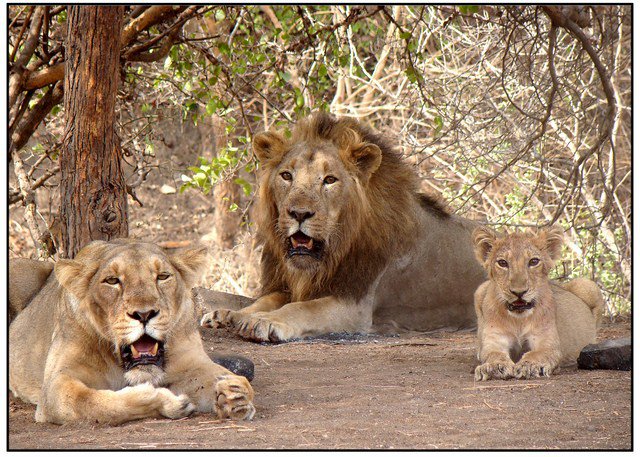
More Fatality of Gir Lions; Death Toll Rises to 14
by Nayan Dave / 26 September 2018The situation at the Gir Forest National Park and Wildlife Sanctuary and adjacent areas is getting worse as the death toll of the Asiatic Lions rose to 14 with three more fatalities.
All these casualties of this endangered species belonging to the cat family occurred within a span of a fortnight. Sources in the State Forest Department confirmed that two lionesses aging four and nine as well as a six-month-old cub succumbed to illness.
“Forest beat guards found carcasses of lioness in Dalkhania range of Gir Sanctuary. The cub which was found ill was brought to a rescue centre, but died during treatment,” said an official. Interestingly, two more deaths of lions registered despite the fact the State forest department has formed 64 teams to screen and shift sick lions to rescue centre to prevent further casualties of lions.
Talking to The Pioneer Chief Conservator of Forest, wildlife circle DT Vasavada prima facie the cause of deaths of two big cats seemed to be infection and some disease, but the exact reason of death would be known only after the post-mortem report.
From the first death of lion on September 12, 2018, the State forest officials are maintaining that the cause of death was infighting and territorial war amongst the lions and there wasn’t any human interference in the death of the big cats.
Around a decade ago in the year 2007, poaching of eight Asiatic Lions created lots of hue and cry over the conservation of the endangered species. The then Narendra Modi led Gujarat Government had allocated special funding to protect the lions in the Gir area.
In fact it was because of Modi’s effort to hard sell Asiatic Lions through a tourism campaign in which Amitabh Bachchan was the brand ambassador, tourists from all across the globe are pouring during winter season to see the majestic animal. The deaths would definitely impact tourism activities in the area.
Writer: Nayan Dave
Courtesy: The Pioneer
Foundation of a New Education System: The Basics
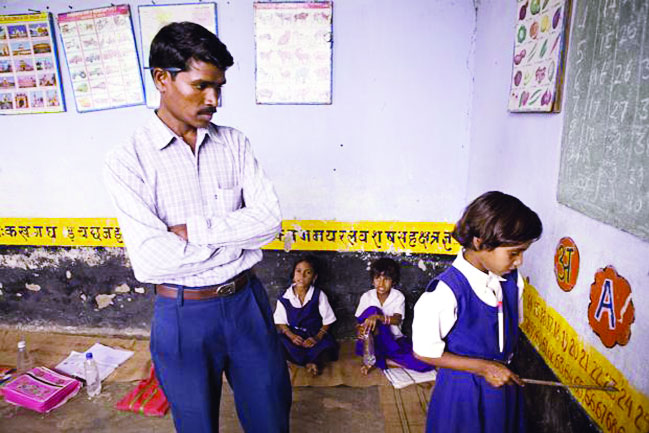
by JS Rajput / 26 September 2018Before getting into the details, it is important to understand the fundamentals and the basics behind the factors that need to be considered when designing a foundation for a new education system. All in all, several factors influence the decision, some of them include dynamic curriculum, an emotional bond between teachers, learners, and the school, and experienced teachers.
Education systems are under stress even in educationally developed societies. This is inevitable, as by its very nature, education is a dynamic process and, hence, it must keep pace with changing expectations of the society and emerging aspirations of the young. In India, as in most nations that suffered under foreign yoke for centuries, education received new impetus in the last five decades, more prominently after the World Conference on Education, held in Jomtien, Thailand, in March 1990, that resolved to universalise elementary education in the next 10 years with extensive global collaboration.
India can rightly boast of its achievement in widening access to education to the remotest, far-flung, hilly, tribal areas. It required extensive efforts, plans and programmes to reach an estimated enrolment percentage of over 96, in spite of a population increase of more than three times. India now has around 1.5 million schools and over 230 million children enrolled in these schools. This is not a mean achievement for a country that began after independence in extremely tough conditions, with a literacy rate of less than 20 per cent, and huge paucity of resources, both in men and material.
While the expansion of access meant opening of more and more schools, at a pretty fast pace, there was a serious dearth of trained teachers, and even States’ capacity to provide infrastructure support at the optimal level. Things, however, did move. One of the biggest and most tangible achievements was attitudinal transformation: Every community, social and cultural group, now realises the importance and value of education; is keen to give ‘good quality education’ to their children; and this includes both boys and girls.
Young people may today find it strange to comprehend that to prepare people to send their daughters to school was a daunting task during the first four decades after independence. They may also find it strange that before the National Policy on Education, 1968, it was officially accepted that girls were not fit to study science and mathematics, and were generally encouraged to offer such choices as spinning and weaving, home science or social science subjects only. It was possible only because of the presence of visionary educationists under the leadership of Prof DS Kothari that the National Commission on Education (1964-66) recommended compulsory teaching of science and mathematics to both boys and girls till they complete 10 years of schooling.
This can be one of the historic examples of dynamism needed in education, its policies and implementation. The shape of schools, laboratories and also the intent and process of education and teaching have undergone significant changes. From the Tat-Patti stage, India is rapidly transitioning to smart classrooms.
Dynamic systems, however, never permit lethargy or systemic slumber to relax/enjoy and gloat over achievements. Every issue resolved and every problem tackled generates new challenges. Indian education is no exception and one could list a plethora of issues and concerns that demand urgent remediation. It is because of such imperatives in educational advancements that the educational curriculum at every stage is consistently reviewed and revised. It requires regular execution of surveys, studies and researches to point out what needs to be changed, discarded and deleted; and added and augmented.
Normally, a five-year cycle is considered necessary to bring about curricular reforms in school education. Text books are revised after the curriculum renewal and formulation of syllabi for each area. Certain alert systems do realise that the pace of change is so fast that a five-year cycle may be a bit too prolonged and, hence, provisions for frontline curricula are also incorporated in broader guidelines, and made available to schools and teachers. This provision takes care of urgent requirements and students are not deprived of being made familiar with new developments.
In India, with over 50 school boards authorised to prepare their own curricula, syllabi and textbooks, the task becomes complex when it comes to national-level competitions. Students from different boards must come with equality of learning attainments. This requirement led to the creation of the National Council of Educational Research and Training (NCERT), which is mandated to prepare a school curricula in consultation with State agencies; prepare textbooks; and leave it to the State Governments to adopt these as such, or prepare their own books with local elements of curricula included wherever necessary.
NCERT books should normally not be accepted for every subject. Take the example of environmental education. Books must be different in Tripura and Thiruvananthapuram, but the NCERT textbook can offer guidance in maintaining the level and standard. At this stage, even curriculum developers and textbook writers require regular in-service orientations on how things are being analysed and included in an era characterised by the advent of information and communication technology (ICT).
Textbook is no longer the only source available to the student. While it is universally acknowledged that in spite of all that is now available to the learner, courtesy ICT, Internet and ever-improving gadgets, the criticality of teacher-taught relationship shall always be necessary to bring in the human element in the growing up of the learner. This is also the time for every teacher to realise that life-long learning must be put to practice to remain relevant in the profession. Only such teachers can impress upon the child the real import of ‘life-long learning’.
In the Indian tradition of the knowledge quest, yavadjeevait adhiyate viprah was propounded much earlier. Teachers of today and tomorrow would do well if they recall the wisdom of Socrates: “I cannot teach anybody, I can only make them think.” Sri Aurobindo had said it in very simple but meaningful terms: “Nothing can be taught” and that “mind must be consulted in its own growth.” Once these simple-looking elements are properly internalised by the teacher, it would not be tough for him to visualise his changed role.
Only with such a vision, an alert teacher would be in a position to give wings to the nurturance of creativity and curiosity that are the nature’s gifts to every child. It is no longer implicit on him to transact everything in the classroom, he could support the learner to reach other sources of knowledge, and in the process, learn how to sift information and extract knowledge and skills out of it. In the process, the teacher is educating him in ‘learning to learn’ a skill that has to be a necessary acquisition during the process of schooling.
As the learner moves upwards on the learning curve, the need arises for flexible and individualised curriculum. It helps self-learning, self-actualisation and helps optimise their potential. Motivation and inspiration for all this must come from committed and performing teachers. Essentially, a teacher must be prepared to comprehend the imperatives of assisting the learner in the development of total personality and comprehensive abilities to enable him to contribute creatively in socio-economic, cultural, political and technological sectors. This would be feasible only when teacher preparation institutions realise their transformed role to help student-teachers acquire the skills of developing, what is now known as ‘multiple intelligence’.
At every stage, the role of the teacher educator and teacher remains. Changes in education, though envisioned and incorporated at various levels of expertise, must include teacher participation and his inputs. A teacher’s role is no longer limited to that of a mere transactor of textual material within the classrooms. He/she encourages the learner to ask questions, acts as an appreciator, guide, counselor, moulder, instructor and much more. In fact, he/she is the first icon after parents, he/she is an exemplar. Only such teachers shall succeed in the future who realise the criticality of their persona in the life of the learners.
What could be more critical to a community than the availability of a functional school nearby? Textbooks, teachers, Internet and other aspects come only afterwards. It is indeed intriguing that teacher preparation and recruitment leaves much to be desired. The situation has deteriorated gradually and has reached rather disturbing proportions. Several State Governments are now ‘merging’ thousands of schools situated mostly in far-flung, rural, tribal and hilly areas with nearby schools to make them viable. When a school has an enrolment of less than 10 or 20, its continuation may not be considered viable in the routine economic consideration but should that be the only criterion? How demoralising and demotivating it would be for the community and children whose school is shifted to another place?
Traditionally, India has successfully experimented with various models of schooling during initial years. Now that educated and literate persons are available in almost every habitation and village, models other than what is demanded in the RTE Act could also be tried to ensure that no child drops out of school because of merger and assimilation of ‘their’ school. Good education requires good teachers, dynamic curriculum and an emotional bond between teachers, learners and their school.
(The writer is the Indian Representative on the Executive Board of UNESCO)
Writer: JS Rajput
Courtesy: The Pioneer

Education Without Values is Useless
by Satish Kumar / 24 September 2018The fundamentals of any education curriculum is to teach and promote core values of the society. Without values, education is incomplete. While a good education system creates values among pupils, ultimately becoming the fabric of social and political lives, the present education system in India is devoid of such characters. Aping the West, Bharat graduated into India only to have a lopsided education system that is a means to an end — to lead a luxury lifestyle at the cost of the value system which is already at a low ebb.
And therefore, sports and music are considered antidote to education. The overall development of a child is not possible without a proper set of sports system. One-third problems of the country are related to physical weakness of the youth, Vivekanand had said.
To address the issues, the Modi Government is leaving no stone unturned to refurbish the education system that empowers people through education. Under “Khelo India” scheme, the Government is trying to improve sport infrastructure in villages.
“One Bharat Shresth Bharat” aims to bridge the regional disparity. The Government is keen to synergies the ingenious knowledge system and modern technology. “Technology is the biggest driver in improving the quality of education,” said HRD Minister Prakash Javedekar. The digital black board is one of the top priorities of the Government. And efforts are on to use technology to enhance teachers’ skills as well.
There are several other initiatives that aim at improving the overall condition of the education system. More than hundred new Kendriya Vidyalayas and 62 new Navodaya Vidalayas have been opened during the last four years. Ekalavya Model Residential schools will be opened in the tribal areas.
Despite these praiseworthy initiatives, higher education is smitten with many ills. The scheme of upgraded autonomy is bound to create further problems in education system. “I am a Stephenian, a JNUite or a LSRite” will only widen the chasm. The existing apartheid system in educational system will further deepen if the Government policies are not implemented in toto.
The debate on the need for foreign faculty members is picking up, even as the concept of “Gurukul” has been pigeonholed as traditional. Rubbing salt into the wound is the exodus of brains from quality educational institutions in India to the US and the EU, indeed for greener pastures. To address this burning issue, the Central Government is trying to reverse the brain drain into brain gain through the scheme of Prime Minister Schemes of fellowships. Though it is not enough, well begun is half done.
One of the fundamental aims of the education is to identify the core values. The core values of India are world peace and betterment of the humanity. It flows from the cultural heritage of India. There is need to connect children with Indian heritage along with the western tips.
Writer: Satish Kumar
Source: The Pioneer
(The writer is Head of the Department of Political Science, Central University of Haryana)

Education Sector Needs Attention
by SK Gakhar / 18 September 2018In order to sustain our nation’s prosperity, it is important to make efficient use of abilities and talents of our citizens, bringing together individuals from diverse cultures
India is rich in diversity but poor in harvesting its fruits. Plurality in society is not just limited to inheritance, class or caste divisions, but it also exists in other fields like languages, cultures, religions, choice of livelihood, careers, knowledge, values, beliefs and practices et al. Currently, as many as 780 different languages are spoken and 86 different scripts are used in the country. In the same spirit, higher education institutions too should respond and accommodate such diversities, particularly now when several reform measures have been initiated viz, the grant of graded autonomy to universities, the grant of autonomous status to colleges, regulation of open distance learning for online degrees and the selection of institutions of eminence status, among others.
In continuance with these reform measures, a draft Act that seeks to replace the University Grants Commission (UGC) for setting up of a Higher Education Commission of India has also been proposed by the Ministry of Human Resource Development. But these reform measures will not lead to desired results unless the richness of this diversity is reflected by the higher education. Therefore, there needs to be a strong policy that ensures racial and ethnic diversity as one of the important factors among the many considered during admissions.
Campuses: The higher education sector has seen tremendous expansion since independence. With just 20 universities in 1950, today India can boast of 47 Central universities, 384 State universities, 123 deemed universities and 296 private universities. Many more are to come. One of the positives has been the Union Government’s effort to establish at least one central university in every State. However, some are public, others are private, some are large urban universities, some are deemed, and still others are small rural campuses. There are those exclusively for women.
Similarly, diversity exists in specialisations of various universities ie, some are restricted to performing arts, social sciences, sports, technology, veterinary sciences, health sciences, food technology while others are professional. This collective diversity among the institutions is one of the greatest strengths of India’s higher education system that can help make us one of the best places for education in the world.
Students: However, diversity today is conspicuous due to its absence in the student bodies, faculties and staff, particularly in State universities. In the late 70s, when I was a student at the Kurukshetra University, there were students from different parts of the country viz Bengal, Odisha, Madhya Pradesh, North-East, Jammu & Kashmir and Kerala among others. Paradoxically, the number of students from other States saw a steep decline with time, probably with an increase in the number of higher education institutions.
State universities and colleges account for nearly 80 per cent of the total enrollments in higher education. Some students have even stopped moving from one district to another. A majority of students in universities are from local areas. The situation of Central universities is no good either. Over a period of time, universities have become ‘localversities’ as they have lost their ‘universal’ character. However, there is a provision of 15 per cent seats to be filled on an all-India basis to maintain probably some level of diversity. But State universities have managed to fill these seats by giving additional weightage to local students in the name of having passed their preceding examination from their own State university so as to give an edge to the students from other States.
The logic of these State universities is that their own State is also a part of India, and therefore, students must also to be considered in the category of ‘all-India basis’. Local students now have a double advantage ie, of weightage of five per cent and as well as of reservation (85 per cent seats are reserved for own State). The motive is to fulfill the theory of ‘sons of the soil.’ As a result, the very idea of creating this category of ‘all-India basis’ is getting defeated.
How to ensure diversity: In view of the above, it is proposed that the nomenclature of the category ‘all-India basis’ should be changed to ‘States other than home State’ so as to ensure admission from other States, which will in turn ensure diversity. In addition, percentage of seats in this category must be enhanced to 30 per cent because India aims to attain a Gross Enrollment Ratio of 30 per cent by 2020, which currently stands at 25.2 per cent. To attract talent in this category, the Union Government must institute scholarship for students.
Diversity should be at all levels of institution: It should also be mandatory for universities to appoint 30 per cent teaching faculties from other States than the home State. Diversity in teaching faculties in State universities has continuously declined to almost nil. The Government can, therefore, create a cadre of all India educational services. Similar arrangements can be made for secretarial or administrative posts. This will not only ensure diversity but ensure that bureaucrats are not able to undermine the status of teachers. Financial liability of these 30 per cent staff and students of all State universities should be borne by the Centre. It will be prudent to bear 30 per cent cost of State universities rather than creating Central universities because there cannot be any cost or an alternative to national integration. This is how our higher education institutions can be made more ‘open to diversity and socially inclusive’.
Need for diversity: Diversity enriches the learning experience, promotes tolerance and a healthy society. It will not only foster innovations and help enhance India’s competitive strength but will also help integrate the nation. Sustaining the nation’s prosperity in the 21st century requires us to make effective use of the talents and abilities of all our citizens in work settings that bring together individuals from diverse backgrounds and cultures.
It should be an institutional commitment to promote student body diversity and inclusion on the campus so as to help building democratic societies. The higher education system of the country should be such that the students coming out of this should be capable of making contribution to the growth of the nation.
(The writer is a professor of Biotechnology, Maharshi Dayanand University, Rohtak, Haryana)
Writer: SK Gakhar
Courtesy: The Pioneer
Educating the Right Way
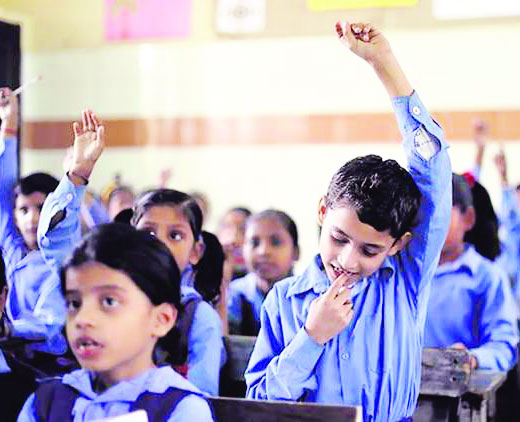
by JS Rajput / 10 September 2018The need of the time is to revisit the Indian education system policies. Some inspiration can be taken from global education practices.
Quality of education and suitability of its products determine the efficacy, pace of progress and development in various sectors of growth and advancement. While none can doubt the sincerity of initiatives, plans and programmes that are launched from time-to-time to bring improvement, these are often impeded by certain practices that have gained ground over the years, thanks to the entry of unscrupulous elements in the sector of education.
A couple of decades ago, realising the gravity of damage caused by copying in mass examinations, the Uttar Pradesh Government had issued a nakal virodhi Ordinance. It had its impact. However, it was repealed by the successive Government, which was, in fact known to be soft towards the examinees. The malpractice has grown to gigantic proportions, particularly in States like Uttar Pradesh and Bihar.
Sadly enough, practices like mass copying in examinations, making degrees available for consideration, fixing up examination sectors and the like, have not only ruined the lives of millions of young students but also contributed to a decline of credibility of certificates/diplomas and degrees awarded by most of the institutions in these States. Improvement in the quality of education and its products in these two States is indeed a daunting task.
News reports showed a dip of over nine lakh examinees in Uttar Pradesh board examinations for 2018-19. Normally, these numbers increase every year with growing population. This unexpected and significant decrease in those aspiring to clear board exams deserve a serious analysis as it dampens aspirations of the young and damages the demographic dividend of India.
One is reminded of what happened during the 2017-18 Uttar Pradesh Board exams. Around 10 lakh students, though registered, dropped out of examinations of class X and XII. The pass percentage was 75.16 in high school and 72.43 in intermediate. Failure, that lasts a lifetime and consequent demoralisation, was the fate of at least 27 lakh students in a single year in one State. Is it not a number that must make the entire nation sit up and think?
On the very first day of exams (2018-19), it was reported that around 1.8 lakh examinees abstained from appearing for the exams. It included 1.27 lakh of class XII students. Numbers kept on increasing. The newly-formed State Government had put in place strict preventive measures to confront the nakal mafia and it made a difference.
The moot point is: The nakal mafia did not acquire “strength, power and credibility” amongst the masses on its own. The obvious inference was its collusion with politicians and bureaucrats. It is encouraging that this year saw a fall in the purchase of certificates of success. A dip in the number of examinees of around a million speaks volumes about how our education system works.
Who can forget visuals of mass copying in board examinations from Bihar’s Vaishali? Or the Vyapam scam of Madhya Pradesh a couple of years ago? It is widely believed that scandalous practices to get entry into medical colleges and even in recruitment to State Government jobs continue unchecked. All those who could purchase entry, walked into the precincts of much-sought after medical colleges.
Generations of young souls have suffered injustice at the hands of elders, people in position of power, and politicians. This wastage of young manpower is not confined to Uttar Pradesh and Bihar only. It extends its operations to most parts of the country. The original nakal mafia nexus now extends to several other sectors dealing with the youth and their future. Coaching institutions have indulged in prior leakage of question papers to ensure success in professional entrance tests. These groups have created links even with public service commissions, teacher recruitment commissions and one often comes across instances of youngsters being cheated by unscrupulous elements, some of whom may be highly educated and well-positioned.
Absence of social consciousness and awareness, that has led to an irreparable damage to the young generation, poses a great challenge to the education system of the country as well. If a reduction in the number of examinees in Uttar Pradesh is any indication, it is not tough to imagine how millions of youth are victims of this unscrupulous exploitation.
It is indeed very stressful to be happy about the much-hyped ‘demographic dividend’ that awaits the young of India in the ageing societies abroad. The situation is accentuated by several revealing factors that include 10 lakh vacant posts of teachers in Government schools, upsurge of private teacher education institutions, uncontrollable high fees charged by public schools that indulge in rampant commercialisation that leads to loss of credibility of Government schools.
The way India is treating its youth poses a serious question: Are we really giving them their due? One would like to immediately add that there are no issues with around 30 per cent of children and young persons who are lucky to get education of ‘acceptable level’ in private prestigious schools and a small percentage of Government schools. One is inclined to infer that the remaining 70 per cent is fated to get education that is of little help in settling down in a creative and contributing life.
Countries with strong educational systems are fully conscious of the pace of change all around, and the need to prepare their younger generations for a highly competitive world. This obviously cannot be achieved in an environment highly polluted by practices like copying, bribing State functionaries to get into jobs and having degrees and certificates without acquiring adequate knowledge, skills and value.
While India needs to combat the prevailing malpractices in education system on its own, it will do no harm to look around, observe as to how education has improved globally. India, too, like other educationally-advanced nations must put into practice the adage that investment in education pays the highest returns. No nation can remain slow and reticent on this count.
Renowned columnist, Thomas Friedman, in his latest book, Thank You for Being Late: An Optimist’s Guide to Thriving in the Age of Accelerations, attempts to comprehend the pace of unprecedented changes taking place all around, and has called the present times as an “age of accelerations”. Even if India is late in certain aspects of improvement, it must invigorate the system with new ideas and initiatives. Even in tough conditions, young Indians have excelled practically in every field — ICT, space sciences and practically every promising area that could change the world for better. The horizon of quality education, presently available roughly only to one-third of the students, needs to be extended to all, and fast.
Only such systems will be effective in the future that are conscious of their ever-increasing responsibility, and ever-expanding needs and expectations from every sector of the population — right from children to veterans. The youth are etching to be a part of the change. They are the products of educational expansion and extension of access to those who were kept out of what was termed as the ‘mainstream’. For them, the only ray of hope is education, about which Gandhiji had envisioned in 1922: “But there is hope, if education spreads throughout the country. From that people would develop from their childhood qualities of pure conduct, god fearing, and love. Swaraj would give us happiness only when we attain success in the task. Otherwise India becomes the abode for grave injustice and tyranny of the rulers.”
Should the Indian education system not delve deep into ascertaining what has gone wrong within, and outside, the system of education? It demands high levels of professional commitment, dynamism and vision on the part of policy-makers and implementers, with inputs from academics and scholars.
We have issues in accepting diversity, achieving social cohesion and religious amity as the necessary ingredients in baking life better for all. As Nelson Mandela said: “The power of education extends beyond the development of skills we need for economic success. It can contribute to nation building and reconciliation.” The seeds of growth, development and progress are sown in the primary schools, where value inculcation and nurturance must begin in right earnest by abled teachers working in a conducive environment for learning and interaction.
(The writer is the Indian Representative on the Executive Board of UNESCO)
Writer: JS Rajput
Courtesy: The Pioneer
FREE Download
OPINION EXPRESS MAGAZINE
Offer of the Month